Get your free personalized podcast brief
We scan new podcasts and send you the top 5 insights daily.
Unlike most biotechs that start with researchers, CRISPR prioritized hiring manufacturing and process development experts early. This 'backwards' approach was crucial for solving the challenge of scaling cell editing from lab to GMP, which they identified as a primary risk.

Related Insights
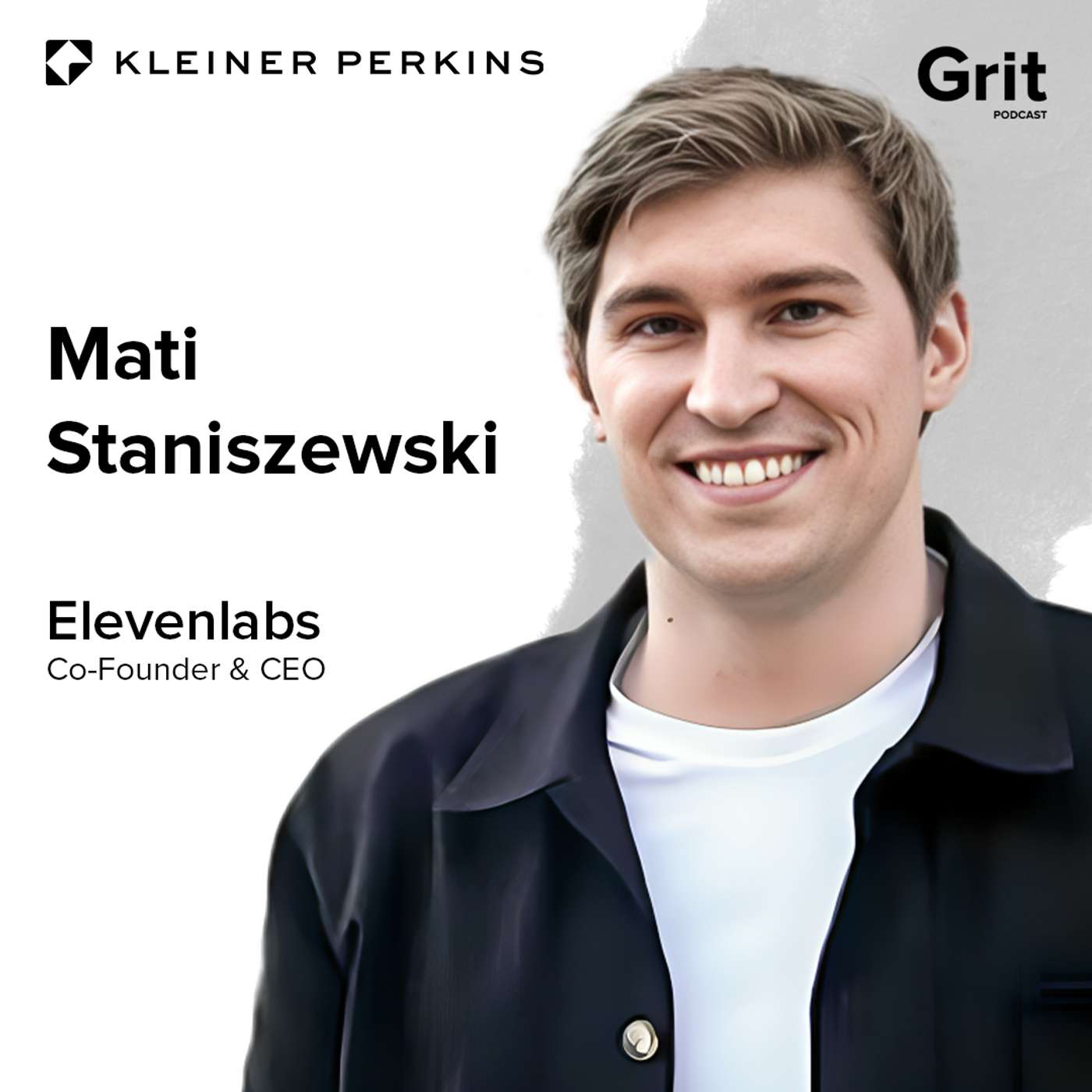
Contrary to the belief that deep-tech startups should be purely technical, ElevenLabs prioritized distribution early. Their first 10 hires included 3 people focused on go-to-market and growth, enabling both self-serve and sales-led motions from the start alongside foundational research.
A CEO's primary role differs fundamentally based on company type. In an asset-centric biotech, the CEO must act as a hands-on program manager, micromanaging execution. In a platform company, the CEO must be deeply embedded in the science to predict and leverage the technology's long-term trajectory.
Resist hiring quickly after finding traction. Instead, 'hire painfully slowly' and assemble an initial 'MVP Crew' — a small, self-sufficient team with all skills needed to build, market, and sell the product end-to-end. This establishes a core DNA of speed and execution before scaling.

CRISPR reframes its commercial strategy away from traditional drug launches. By viewing gene editing as a 'molecular surgery,' the company adopts a go-to-market approach similar to medical devices, focusing on paradigm shifts in hospital procedures and physician training.
Investors like Stacy Brown-Philpot and Aileen Lee now expect founders to demonstrate a clear, rapid path to massive scale early on. The old assumption that the next funding round would solve for scalability is gone; proof is required upfront.
To avoid choosing between deep research and product development, ElevenLabs organizes teams into problem-focused "labs." Each lab, a mix of researchers, engineers, and operators, tackles a specific problem (e.g., voice or agents), sequencing deep research first before building a product layer on top. This structure allows for both foundational breakthroughs and market-facing execution.

Founders often chase executives from successful scaled companies. However, these execs can fail because their experience makes them overly critical and resistant to the painful, hands-on work required at an early stage. The right hire is often someone a few layers down from the star executive.

Moving from a science-focused research phase to building physical technology demonstrators is critical. The sooner a deep tech company does this, the faster it uncovers new real-world challenges, creates tangible proof for investors and customers, and fosters a culture of building, not just researching.
