Get your free personalized podcast brief
We scan new podcasts and send you the top 5 insights daily.
Tom notes French public spending is 57% of GDP and one in five workers is a civil servant. Reform means a visible income hit to millions of organized people who are ready to march and burn, while future beneficiaries like young workers are scattered and voiceless.

Related Insights
Tom cites Tocqueville's observation that monarchy and revolution destroyed intermediate bodies, leaving Jacobin departments ruled from Paris. With no regional release valve, French anger has only two gears: an elected-monarch president or shutting the country down. That pushes protests toward the barricades rather than bargaining.
Widespread violence, like the French riots, is not random. It's an inevitable outcome when a society faces a "shrinking pie" economy and lacks a strong, shared national identity to unify its diverse populations. Populism and conflict are the predictable results.
History, particularly the French Revolution, shows that when a society reaches a point where the working class cannot afford basic necessities despite their labor, the risk of violent upheaval skyrockets. This reflects a simmering rage against a perceived obscene wealth gap.

Tom says student complaints are legitimate, but calling the unrest student riots is nonsensical. Once students barricade schools, other groups with grievances pour in because the cost of rioting has dropped. A small spark becomes a wildfire that absorbs many causes.
The primary power of modern public sector unions lies in their ability to vote as a bloc, influencing politicians to secure favorable contracts and policies. This political leverage has a much greater impact than their ability to directly negotiate wage increases, which are more influenced by macro factors like globalism.

Balancing French finances cannot happen through spending cuts or tax hikes alone. Meaningful medium-term consolidation will inevitably require confronting two major domestic political taboos: restoring an aggressive progressive wealth tax on the revenue side while simultaneously reforming and raising the retirement age on the spending side.

Sophie Petter says the government blamed the far left, while both extremes blamed police numbers. Interior Minister Lorne Nunez acknowledged police lost control and offered to resign; his resignation was not accepted, showing authorities underestimated turnout and violence. That admission captures how badly the state was caught off guard.

France's complex system of taxes, social security, and employer contributions creates a massive wedge between labor costs and take-home pay. For an employee to receive $39,000, an employer must spend over $90,000. This structure severely disincentivizes entrepreneurship and hiring, showing the economic drag of an oversized nanny state.

Secondary school demonstrations in France began over narrow, operational issues like exam formatting, facility disrepair, and teacher absences. However, the movement rapidly surged to over 250,000 protesters because it absorbed deep national anxiety. With a 5% budget deficit, bond market pressure demanding spending cuts, and an impending presidential election, local school dissatisfaction became an outlet for wider political tension and resistance to government austerity.
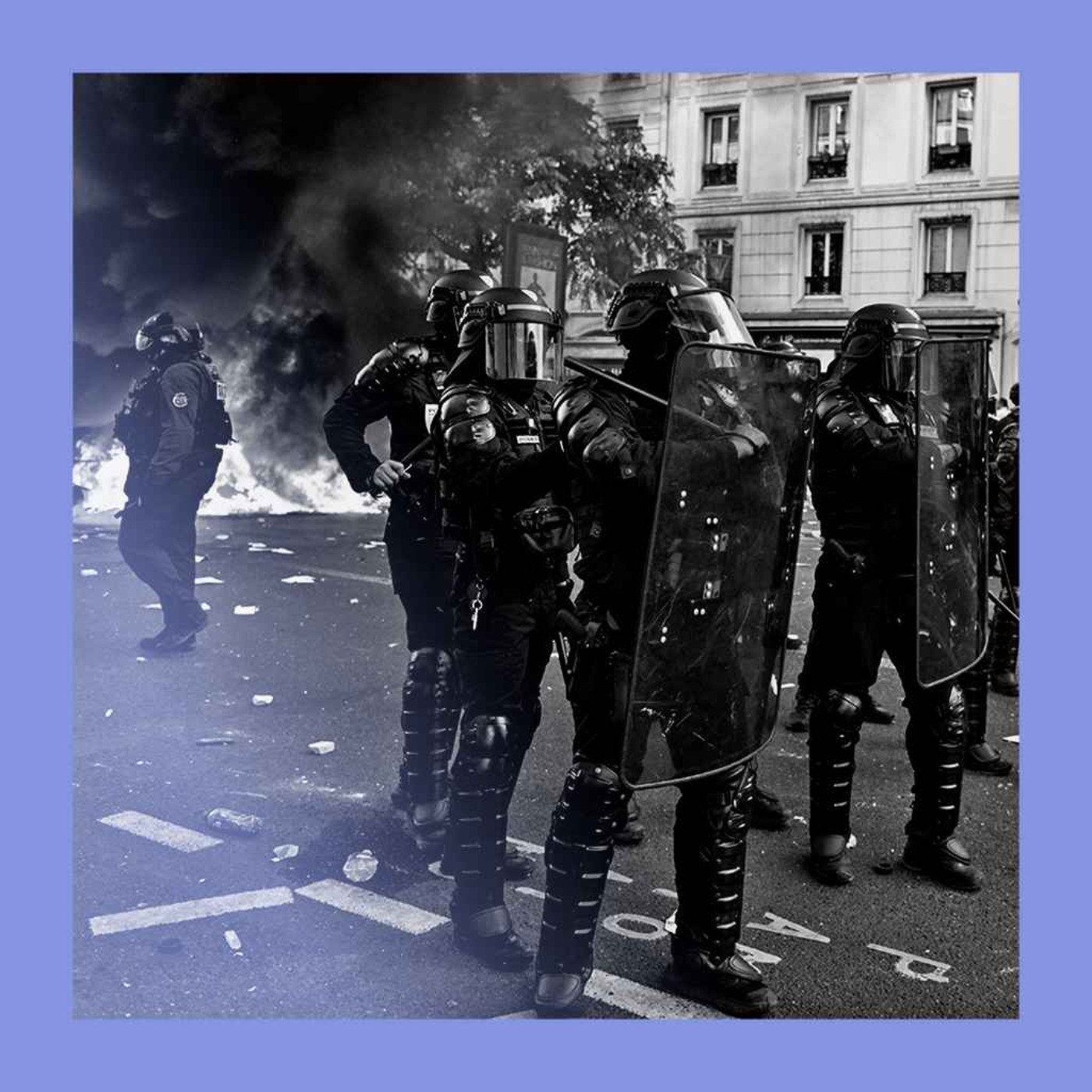
History demonstrates a direct, causal link between widening inequality and violent societal collapse. When a large portion of the population finds the system unbearable, it leads to events like the French Revolution—a blunt cause-and-effect relationship often sanitized in modern discourse.
