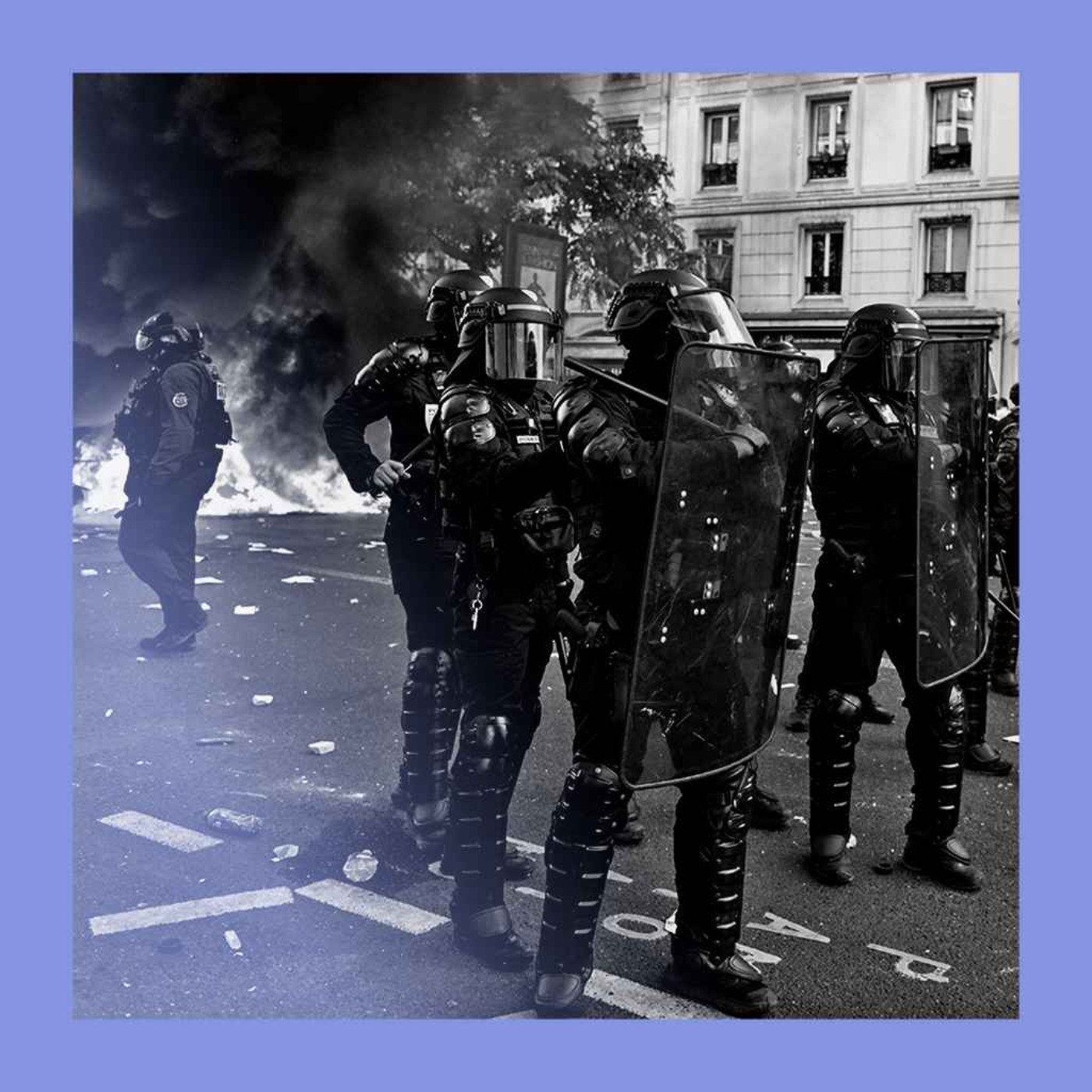
Secondary school demonstrations in France began over narrow, operational issues like exam formatting, facility disrepair, and teacher absences. However, the movement rapidly surged to over 250,000 protesters because it absorbed deep national anxiety. With a 5% budget deficit, bond market pressure demanding spending cuts, and an impending presidential election, local school dissatisfaction became an outlet for wider political tension and resistance to government austerity.
Because Title IX relies on administrative regulations rather than congressional legislation, successive presidential administrations have rewritten its enforcement terms. Under the 2020 rule, schools were required to erect miniature judicial systems with formal cross-examinations and hearings. Rather than improving campus safety, this procedural complexity caused victim participation to drop; in New York, only 14% of reported incidents proceeded to formal investigation.
Traders often look to astrology and numerology during periods of uncertainty, using superstitious beliefs like fog lights when market visibility disappears. However, quantitative empirical studies indicate that superstitious trading yields poor results. Studies in Chinese and Taiwanese equity markets demonstrated that betting on equities linked to lucky numbers led to significant underperformance because investors systematically overpaid for those perceived positive signs.
While astrology's value for predicting market returns lacks empirical backing, businesses commercializing astrological advice thrive by exploiting financial anxiety. In India's $7 billion astrology market, consumer tech startups like InstaAstro and AstroTalk package consultations, trading courses, and blessed accessories into digital micro-transactions. This model has turned traditional superstitious practices into scalable, venture-fundable businesses that raise millions in institutional funding.