Get your free personalized podcast brief
We scan new podcasts and send you the top 5 insights daily.
A power inversion is happening in media access. Politicians actively seek appearances on creator shows, known for softer content, while legacy news outlets struggle to get interviews. This highlights a strategic shift where politicians prioritize friendly mass reach over journalistic scrutiny.
Related Insights
Unlike traditional journalism, creators often give politicians editorial control. They provide a "courtesy edit" and admit that, legally, a politician's team could likely prevent the content from being published if they disagreed with the final cut, a major concession of creative control.
The debate over a Josh Kushner profile reveals a growing media divide. "Enthusiast media" focuses on subjects the writers admire, contrasting with traditional journalism's often adversarial stance. This creates a new media category that legacy outlets struggle to classify, viewing it as less legitimate and a threat to their access.

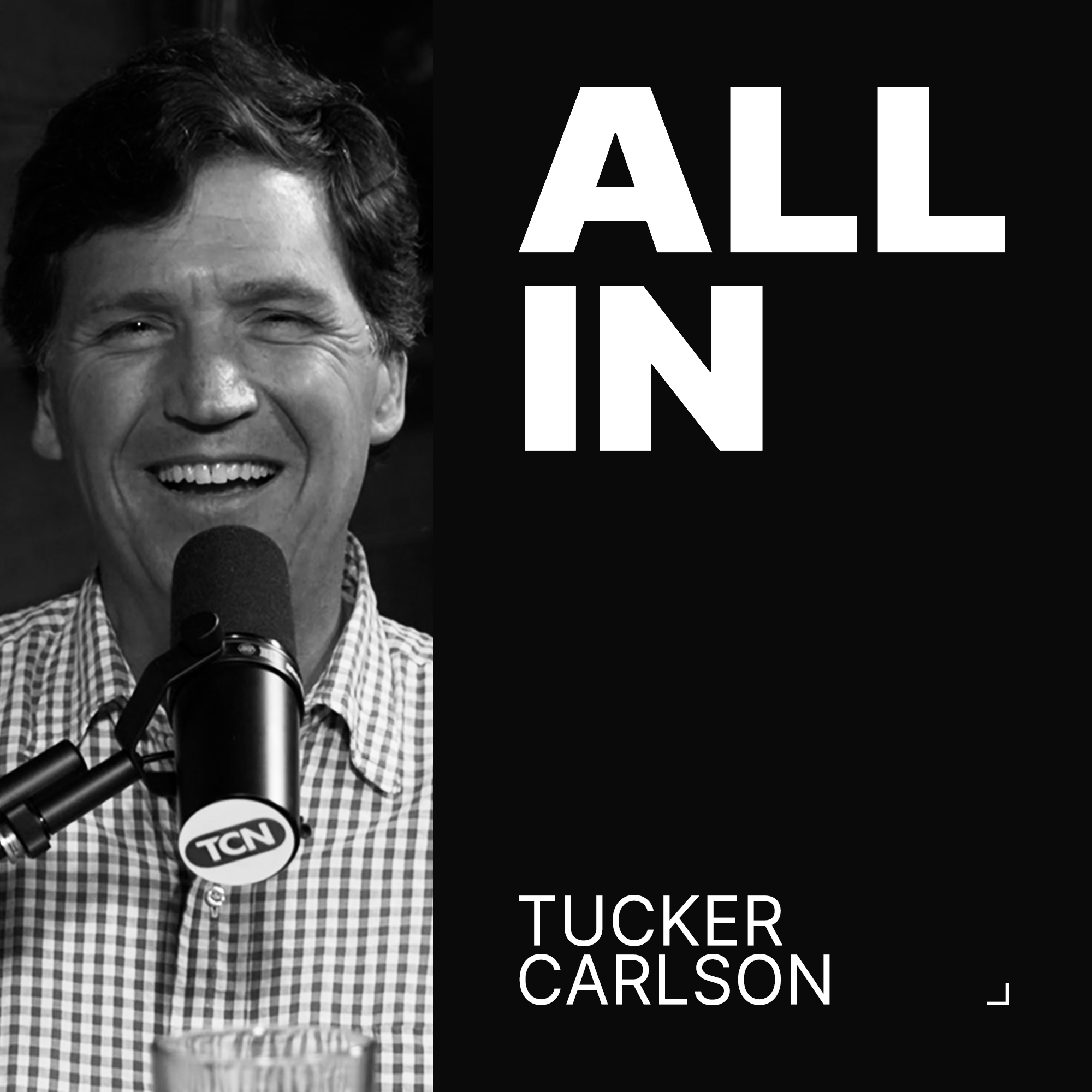
Tucker Carlson argues that legacy media brands have lost their power to shape public opinion. Their value is now primarily brand recognition, not their content's impact. True cultural influence has shifted to decentralized, creator-driven platforms like YouTube and X.
A new media hierarchy has emerged where authenticity trumps production value. At an event, the audience reaction was muted for A-list celebrities but erupted for live streamers. This suggests raw, interactive formats build deeper connections and greater influence than polished, traditional media.

Even though anyone can create media, legacy brands like The New York Times retain immense power. Their established brands are perceived by the public as more authoritative and trustworthy, giving them a 'monopoly on truth' that new creators lack.

Modern populists gain influence by creating organic content that captures algorithmic attention, effectively turning a small campaign budget into disproportionate reach. This bottom-up strategy bypasses traditional, money-driven political machines by treating social attention as the primary currency, not dollars.

Initially naive about PR, creators now see celebrity appearances as transactional. Realizing they are being used for promotion, some have started charging movie studios and publicists for access to their audience, reversing the traditional media value exchange.
Contrary to conventional wisdom, trading favorable coverage for access to powerful sources is no longer the best way to get a story. In the modern media landscape with diverse information channels, reporters find more impactful and truthful stories by maintaining independence and refusing to play the access game.

Legacy media, like The Wall Street Journal, are hiring coaches to help reporters build personal brands. This mimics the success of social media creators who are displacing journalists on the press circuit for major celebrity and political interviews.
Influencers with massive reach intentionally reject interviews with top politicians like President Biden and RFK Jr. They view engaging in politics as a deviation from their entertainment-focused brand that could alienate their audience and jeopardize their income.