Get your free personalized podcast brief
We scan new podcasts and send you the top 5 insights daily.
Influencers with massive reach intentionally reject interviews with top politicians like President Biden and RFK Jr. They view engaging in politics as a deviation from their entertainment-focused brand that could alienate their audience and jeopardize their income.
Related Insights
Unlike traditional journalism, creators often give politicians editorial control. They provide a "courtesy edit" and admit that, legally, a politician's team could likely prevent the content from being published if they disagreed with the final cut, a major concession of creative control.
Unlike white male peers who avoid political topics to protect their brands, creator Ananiya Williams, a Black trans woman, points out this is a privilege. Her identity is politicized, meaning any content she produces is inherently a political statement.
Wikipedia co-founder Jimmy Wales advises leaders to be careful about taking political stands. The guiding principle should be direct business relevance. Wikipedia fights censorship because it's core to their mission, but avoids weighing in on unrelated topics. This strategy prevents alienating customers for no strategic purpose.
Scott Galloway's Prof G Media, a $20M business, rejects entire ad categories like crypto and gaming. He believes they prey on young men, and accepting their money would undermine audience trust. This strict vetting process results in a small, curated list of just 38 advertisers, prioritizing brand integrity over revenue.

Initially naive about PR, creators now see celebrity appearances as transactional. Realizing they are being used for promotion, some have started charging movie studios and publicists for access to their audience, reversing the traditional media value exchange.
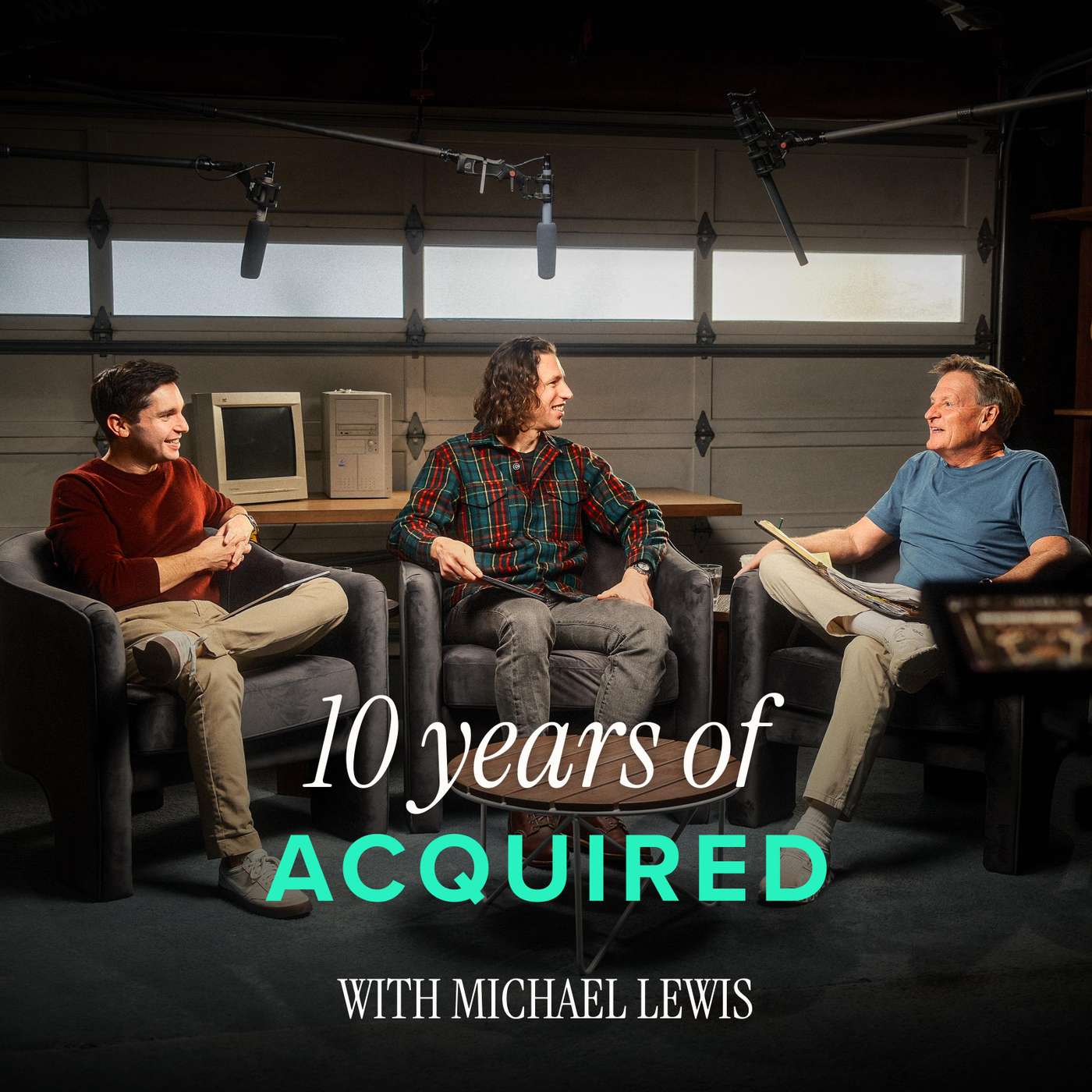
The podcast Acquired strategically avoids sponsors from contentious spaces, like competing venture capital firms, because they don't "feel Switzerland enough." This principle of partnering with neutral, respected leaders ensures their sponsor choices don't alienate listeners or compromise their editorial independence.
While some creators debate the brand risk of hosting politicians, Ananiya Williams highlights a graver concern: physical safety. Confronting a figure like Donald Trump would make her, a Black trans woman, a direct target for violent extremists, a risk not equally shared by other creators.
Legacy media, like The Wall Street Journal, are hiring coaches to help reporters build personal brands. This mimics the success of social media creators who are displacing journalists on the press circuit for major celebrity and political interviews.
Despite his status, President Biden struggles to secure the lucrative speaking engagements and book deals that enriched his predecessors. His situation reveals that personal brand and perceived "draw" are critical for monetizing a political career, proving that high-profile fame does not automatically translate into financial success.

A power inversion is happening in media access. Politicians actively seek appearances on creator shows, known for softer content, while legacy news outlets struggle to get interviews. This highlights a strategic shift where politicians prioritize friendly mass reach over journalistic scrutiny.