Unlike other tech rollouts, the AI industry's public narrative has been dominated by vague warnings of disruption rather than clear, tangible benefits for the average person. This communication failure is a key driver of widespread anxiety and opposition.
Massive M&A deals for legacy media are backward-looking financial transactions based on past earnings. The truly transformative acquisitions (like Facebook buying Instagram) are smaller, forward-looking bets on future trends like user-generated content.
Attempts to shut down controversial voices often fail. Instead of disappearing, suppressed ideas can fester and become more extreme, attracting an audience drawn to their defiance and ultimately strengthening their movement.
The most immediate danger of AI is its potential for governmental abuse. Concerns focus on embedding political ideology into models and porting social media's censorship apparatus to AI, enabling unprecedented surveillance and social control.
Beyond specific ideology, the simple act of defiance against a culture perceived as hectoring is a powerful source of appeal. For a generation that feels constantly criticized, this rebellious posture is seen as strength and authenticity, regardless of the message's content.
AI will primarily threaten purely cognitive jobs, but roles combining thought with physical dexterity—like master electricians or plumbers—will thrive. The AI-driven infrastructure boom is increasing demand and pushing their salaries above even those of some Silicon Valley engineers.
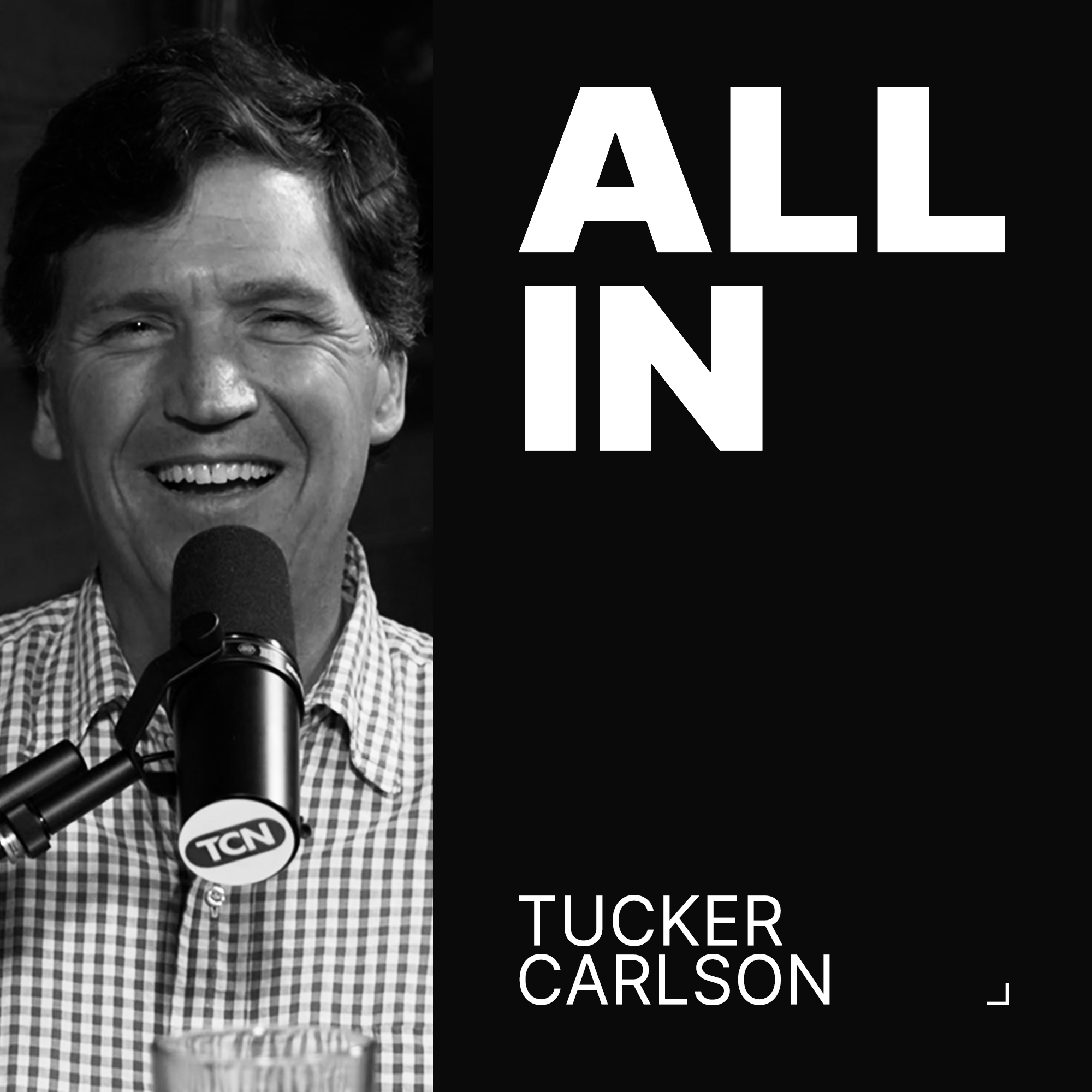
Tucker Carlson argues that legacy media brands have lost their power to shape public opinion. Their value is now primarily brand recognition, not their content's impact. True cultural influence has shifted to decentralized, creator-driven platforms like YouTube and X.
When society organizes itself along tribal or identity lines, it is a mathematical certainty that all groups, including the majority, will eventually adopt that framework. The only solution to one form of identity politics is to eliminate all forms of it.
Tucker Carlson reframes "America First" as a core principle of governance, arguing that a government's primary, non-negotiable duty is to serve its own citizens' interests. Any deviation from this principle undermines its legitimacy.