Get your free personalized podcast brief
We scan new podcasts and send you the top 5 insights daily.
Legacy media, like The Wall Street Journal, are hiring coaches to help reporters build personal brands. This mimics the success of social media creators who are displacing journalists on the press circuit for major celebrity and political interviews.

Related Insights
According to Van Jones, cable news has pivoted from breaking news to manufacturing conflict. The primary goal is no longer live reporting but creating contentious segments designed to be clipped and go viral on social media, fundamentally changing the business.

The primary function of cable news has shifted. It no longer breaks news but instead produces segments specifically designed to be clipped and go viral on social media platforms. Its main impact is now on the broader internet conversation, not its direct viewership.

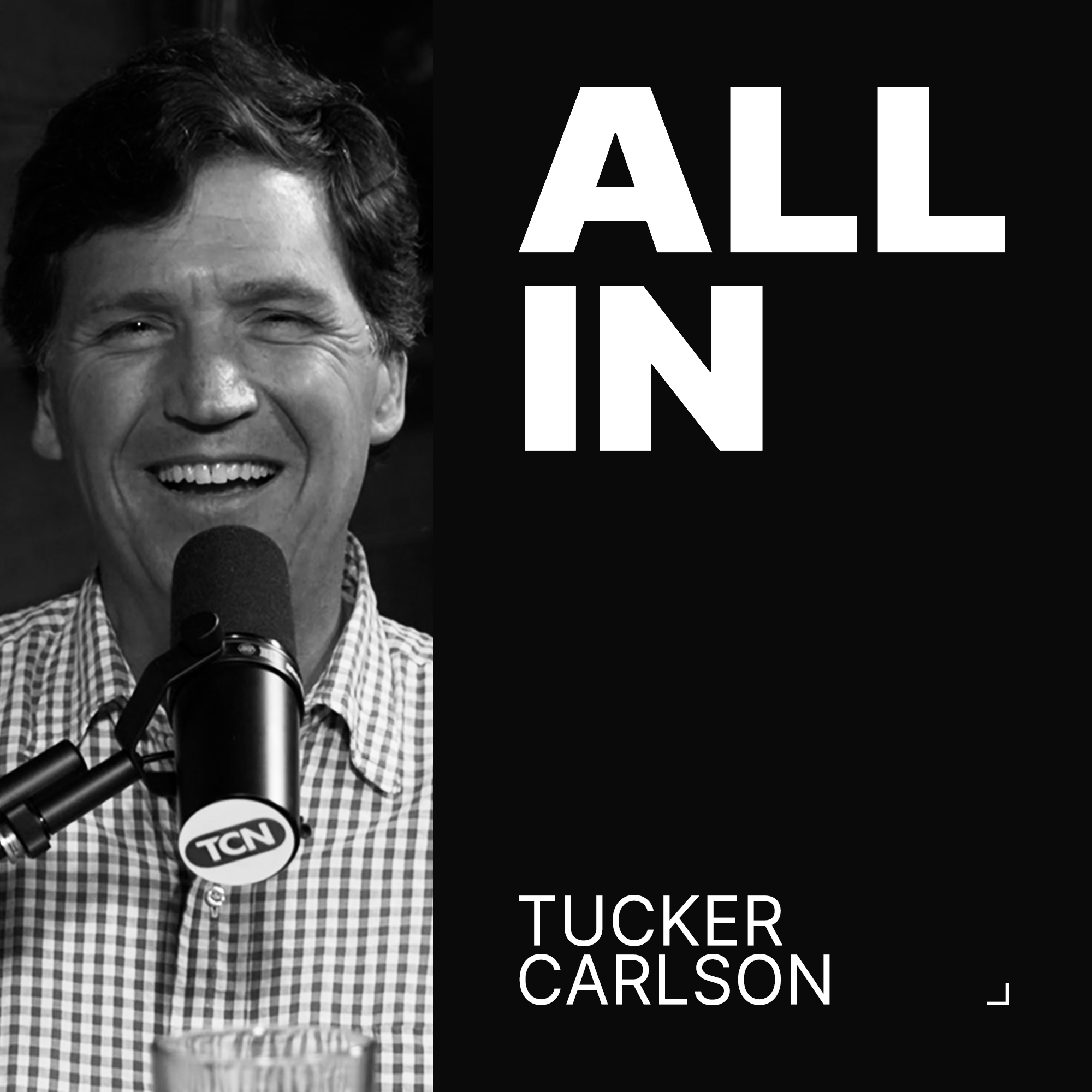
Tucker Carlson argues that legacy media brands have lost their power to shape public opinion. Their value is now primarily brand recognition, not their content's impact. True cultural influence has shifted to decentralized, creator-driven platforms like YouTube and X.
Even though anyone can create media, legacy brands like The New York Times retain immense power. Their established brands are perceived by the public as more authoritative and trustworthy, giving them a 'monopoly on truth' that new creators lack.

Big Cabal Media intentionally cultivates on-air talent from within, identifying junior employees who resonate with the audience and investing in their growth. They find it more effective than trying to hire established creators, who often prefer to remain independent. This approach turns the media company into a talent incubator, building loyalty and brand-specific stars.

Initially naive about PR, creators now see celebrity appearances as transactional. Realizing they are being used for promotion, some have started charging movie studios and publicists for access to their audience, reversing the traditional media value exchange.
Chef Alison Roman suggests The New York Times had a "don't get too famous" culture, feeling threatened when a creator's personal brand grew too large. This highlights the conflict legacy media faces in cultivating talent they need but cannot fully control.

Over the last decade, many B2B media brands have disappeared, leaving a trust gap between buyers and sellers. B2B influencers are effectively filling this void. They act as the new intermediaries, providing the validation and proof points that buyers previously sought from industry publications.

Top fashion brands no longer treat influencer marketing as a separate channel. They are creating unified "press and influence" departments, signaling a strategic integration of content creators into their core communications and formalizing their role alongside traditional media.

A power inversion is happening in media access. Politicians actively seek appearances on creator shows, known for softer content, while legacy news outlets struggle to get interviews. This highlights a strategic shift where politicians prioritize friendly mass reach over journalistic scrutiny.