Get your free personalized podcast brief
We scan new podcasts and send you the top 5 insights daily.
Turkey's President Erdogan may be grooming his son as a successor, but his own party's voters could reject a dynastic handover. These voters value the democratic legitimacy Erdogan earned by winning elections—a legitimacy his son lacks. This creates a paradox where an autocrat's power base opposes treating government as a family business.

Related Insights
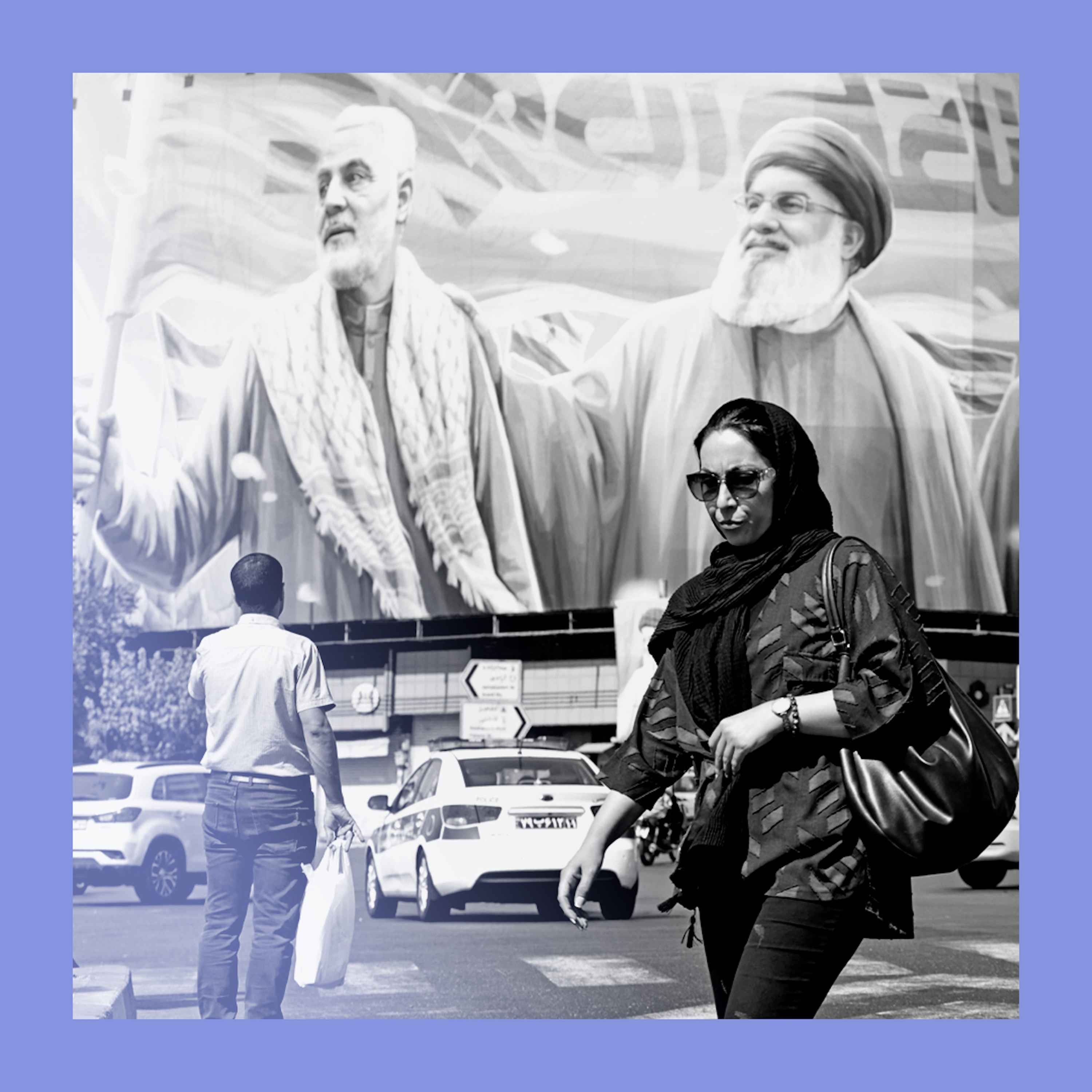
Meaningful reform in Iran is unlikely until the succession of the 86-year-old Supreme Leader is resolved. Deep uncertainty over who will hold power paralyzes the political system, preventing any faction from making significant changes and forcing the country into a holding pattern until the leadership transition occurs.
The principle that a small group will always emerge to lead is a fundamental law of human organization. This isn't limited to geopolitics or massive corporations; it's a fractal pattern observable in every group, including one's own family.

The argument for term limits isn't just about constitutional law; it's a fundamental recognition of human psychology. Power corrupts, and leaders who stay too long become convinced only they are right. The system is designed to forcibly introduce new perspectives and prevent the slide into tyranny, regardless of a president's popularity.

Authoritarian leaders attack bureaucracy not to enhance democracy, but to replace institutional competence with personal loyalty. Experts loyal to professional standards are a threat. Destroying bureaucratic competence through patrimonialism (treating the state as personal property) is a distinct, earlier stage before an organized, ideological fascist takeover.

The appeal of a populist leader lies in their rejection of traditional political norms. When the electorate feels betrayed by the established "political class," they gravitate toward figures whose rhetoric is a deliberate and stark contrast, signaling they are an outsider.

Unlike predecessors who were revealed late, Kim Jong-un is publicly positioning his young daughter as successor. This early move, combined with North Korea's strong nuclear arsenal, suggests the regime feels secure from external threats and is now primarily focused on managing internal power dynamics and preventing a succession crisis.
Turkey's widespread arrests and legal challenges against the opposition CHP party are not signs of its weakness, but of President Erdogan's anxiety. He perceives the opposition as a stronger-than-ever electoral threat, prompting a severe crackdown born of his own political vulnerability ahead of the next elections.
UK Labour leader Keir Starmer's survival of a leadership crisis is aided by the lack of a clear, consensus-driven successor. Each potential challenger carries significant political baggage or lacks broad party support. This disunity among would-be challengers gives a weakened incumbent a path to cling to power, despite widespread dissatisfaction.

The election of leaders like Japan's female prime minister, who enacts hardline policies, shows that voters are primarily driven by shared values, not identity characteristics. When a leader's ideology matches the electorate's, their gender or race becomes secondary.

A dictator's attempts to consolidate power by purging potential rivals are counterproductive. This strategy creates a culture of fear where subordinates are too afraid to deliver bad news, isolating the leader from ground truth. This lack of accurate information increases the risk of catastrophic miscalculation and eventual downfall.
