Get your free personalized podcast brief
We scan new podcasts and send you the top 5 insights daily.
Unlike predecessors who were revealed late, Kim Jong-un is publicly positioning his young daughter as successor. This early move, combined with North Korea's strong nuclear arsenal, suggests the regime feels secure from external threats and is now primarily focused on managing internal power dynamics and preventing a succession crisis.
Related Insights
Meaningful reform in Iran is unlikely until the succession of the 86-year-old Supreme Leader is resolved. Deep uncertainty over who will hold power paralyzes the political system, preventing any faction from making significant changes and forcing the country into a holding pattern until the leadership transition occurs.
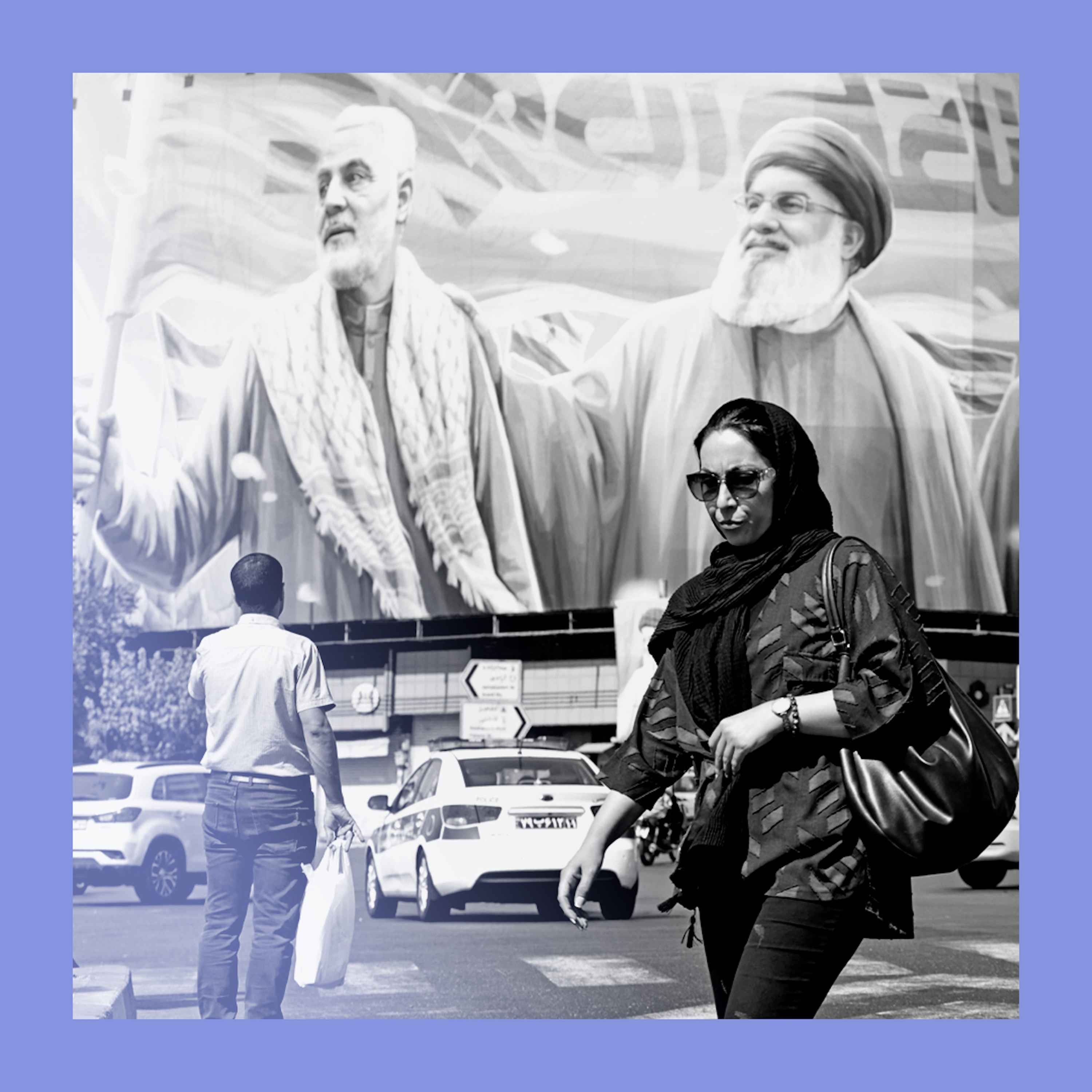
Iran is at a critical inflection point as its aging and ill Supreme Leader, Ayatollah Khamenei, has no clear successor. The constitutional requirements for the role were tailored specifically for his predecessor, Khomeini. With no one in the wings who meets the criteria, the country faces significant instability upon his death.

A potential invasion of Taiwan by China is less likely due to internal military purges and dissent than to US military posturing. An authoritarian leader like Xi Jinping cannot launch a complex invasion if he doesn't trust his own generals, making domestic instability a powerful, albeit unintentional, deterrent.

The choice of venues for the public appearances of Kim Jong-un's daughter is highly deliberate. Her debut at a missile launch links her to military power, while her presence at the Grand Mausoleum connects her to the dynastic lineage, strategically reinforcing her legitimacy to rule by associating her with the regime's core pillars of power.
The purge's focus is on generals who "trampled on the chairman responsibility system," indicating a crackdown on challenges to Xi's direct, supreme command over the military, rather than a standard anti-graft campaign.
The official narrative of China's top general leaking nuclear secrets is likely a cover for a deeper power struggle between President Xi and the military establishment. The ongoing purges are a sign of internal conflict for control, making an invasion of Taiwan less likely due to a destabilized command structure.

Xi Jinping's willingness to decapitate his military leadership suggests he feels secure about the external environment. He perceives no immediate crisis over Taiwan, giving him the political space to conduct a thorough and disruptive internal consolidation.
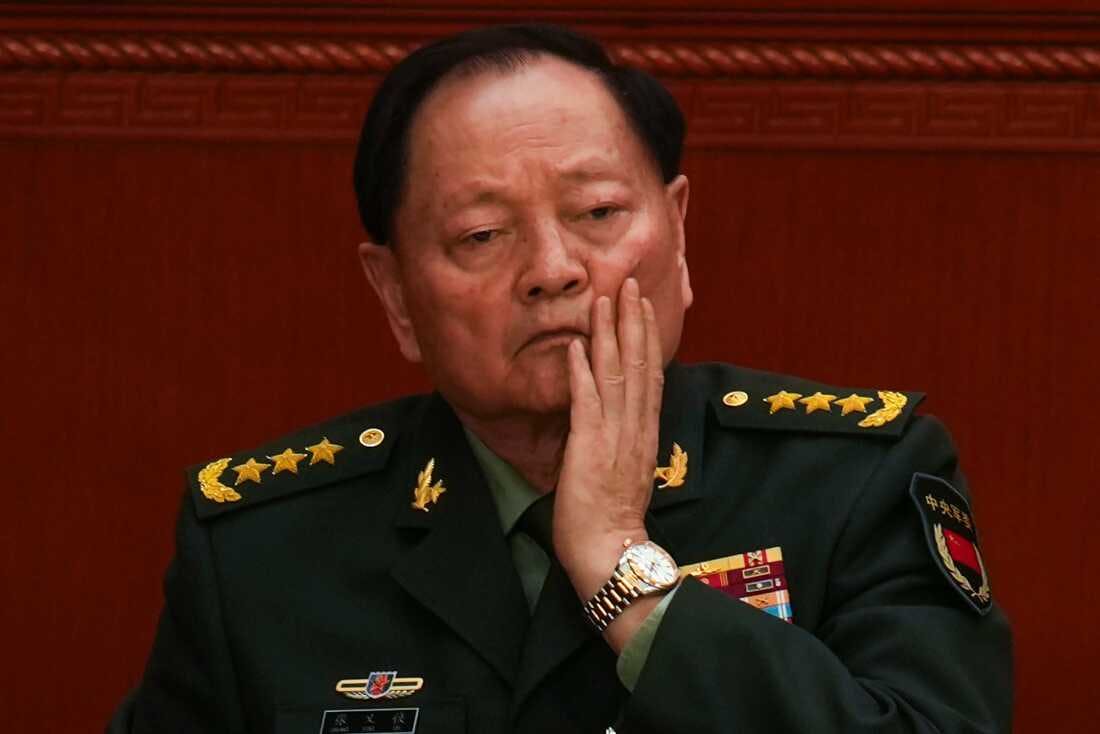
The recent purges have wiped out an entire generational cohort of PLA leaders, not just individuals. This creates a significant succession crisis and leadership vacuum, forcing Xi to promote a new, untested generation of officers with whom he has no established trust.
A dictator's attempts to consolidate power by purging potential rivals are counterproductive. This strategy creates a culture of fear where subordinates are too afraid to deliver bad news, isolating the leader from ground truth. This lack of accurate information increases the risk of catastrophic miscalculation and eventual downfall.
In Japan, 98% of adoptions are of adult men, a practice used to ensure business continuity. Companies like Suzuki and Toyota have maintained family control for generations by adopting capable managers, who may also marry into the family, to serve as successors. This prioritizes talent over bloodline for long-term stability.
