Get your free personalized podcast brief
We scan new podcasts and send you the top 5 insights daily.
To foster a culture of innovation, leaders should openly encourage employees to replace their current roles with AI. This is achieved by guaranteeing them a new, higher-value position within the company and even exploring novel incentives like forward-vesting their equity, effectively rewarding them for reducing operational costs.

Related Insights
Many employees secretly use AI for huge efficiency gains. To harness this, leaders must create programs that reward sharing these methods, rather than making workers fear punishment or layoffs. This allows innovative, bottom-up AI usage to be scaled across the organization.

Frame internal AI initiatives not as a way to replace employees, but to automate their chores. This frees them to move 'up the stack' to perform higher-value functions like client relations, creative strategy, and founder meetings, ultimately increasing overall output.
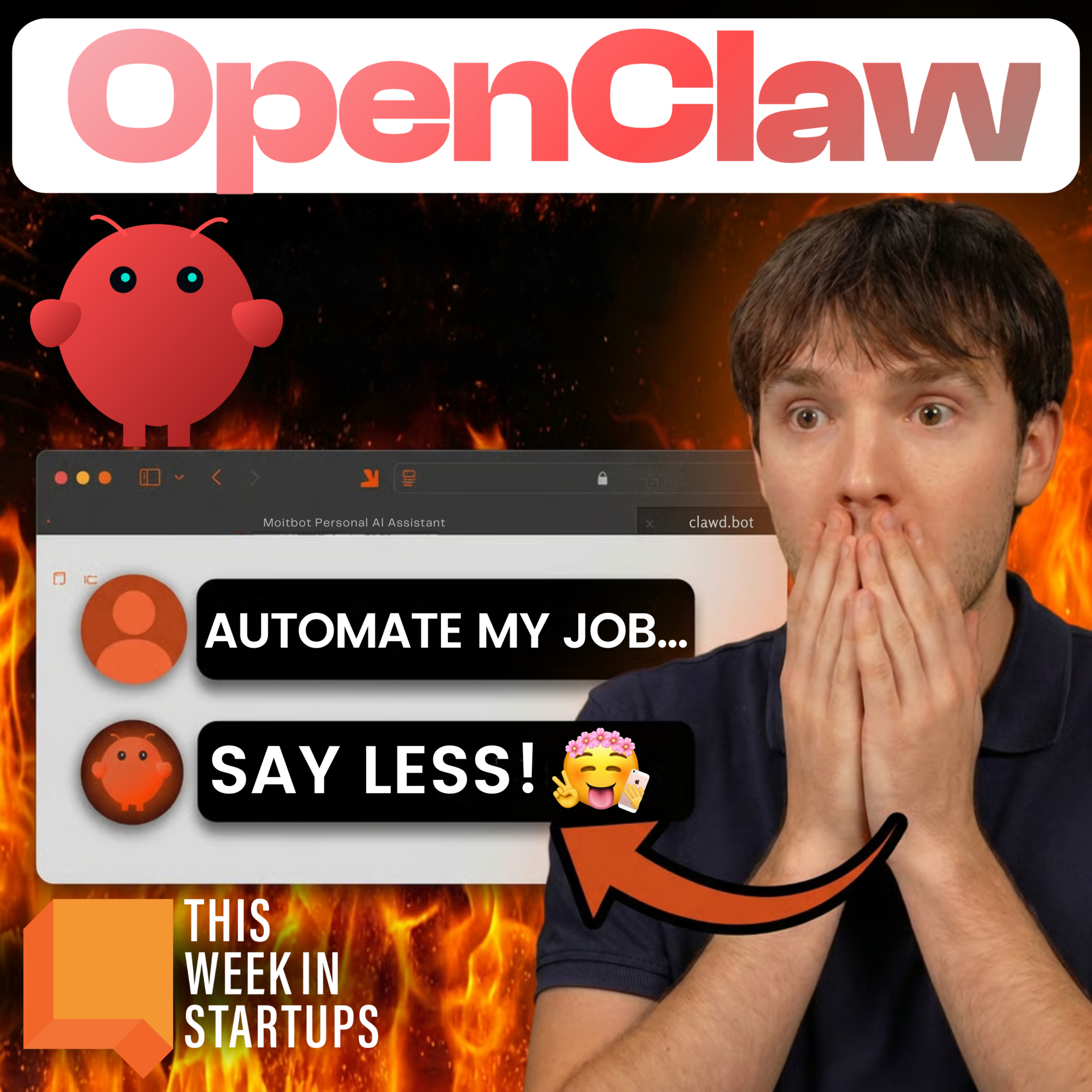
To combat employee fear of replacement, frame AI automation as a path to promotion. By automating their current IC-level tasks, employees free themselves to operate at the next level, effectively managing their new 'AI direct report' and taking on more strategic work.

When transitioning Box to be "AI first," CEO Aaron Levie explicitly communicated that the goal was not to reduce headcount or cut costs. Instead, he framed AI as a tool to increase company output, speed, and customer service, which successfully aligned employees with the new strategy by removing fear.
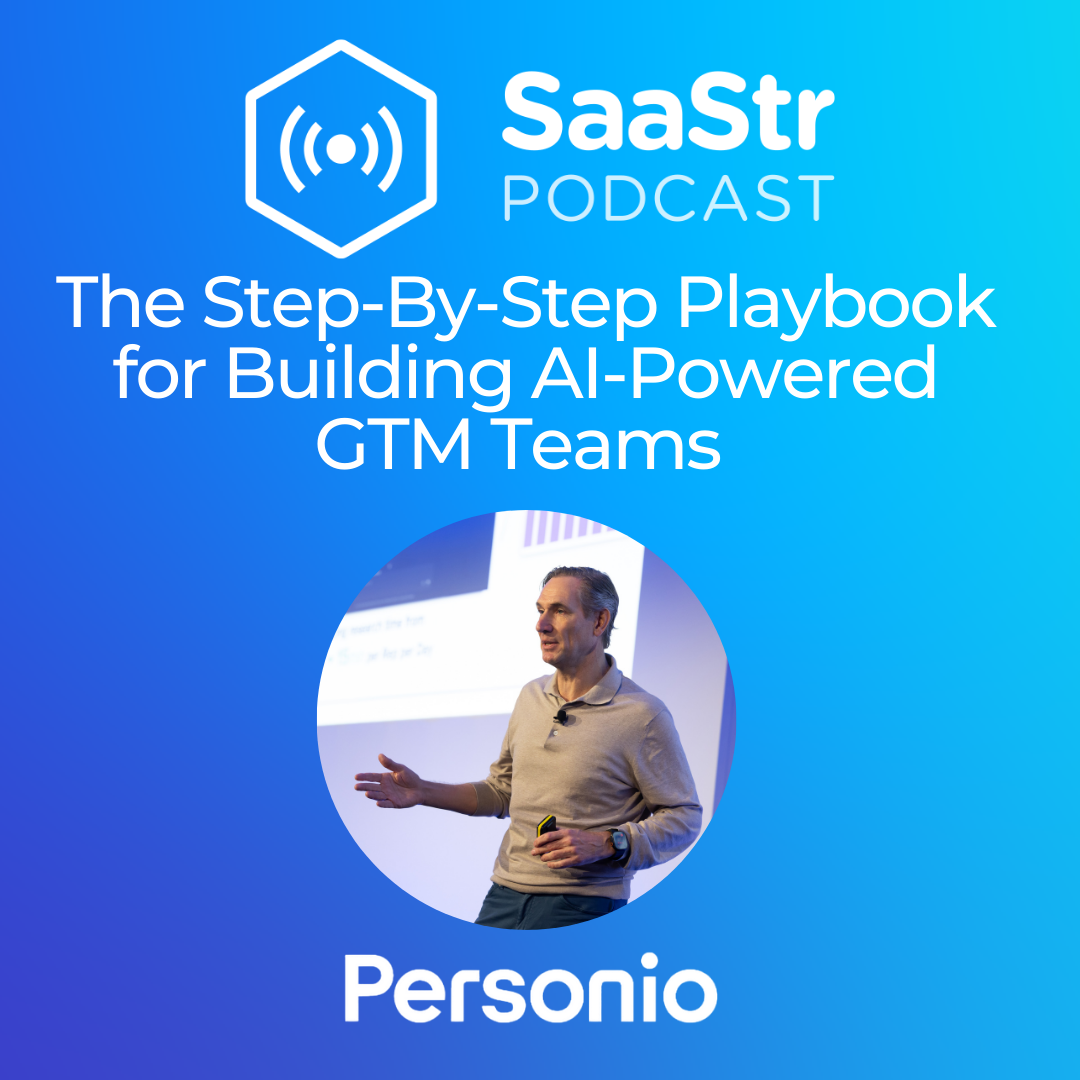
To foster an AI-centric culture, Personio goes beyond simple recognition and offers tangible, high-value incentives. They announced that several seats in their highly coveted annual President's Club trip would be reserved for employees who make the best contributions to their AI initiatives.
Instead of immediately seeking outside consultants, leaders should identify and empower employees who are already using AI effectively. This validates their initiative, leverages existing knowledge, and provides them with a clear path for professional development and company-wide impact.

To accelerate AI adoption and overcome fear of displacement, OneMind's CEO has a policy to financially reward and find new roles for employees who successfully eliminate their own positions using AI. This turns a threat into an incentive for innovation.

Kahlow actively encourages her team to find ways to replace their own roles with AI. She promises that those who succeed in automating their job will be given a new, higher-value position within the company.
With AI tools being so new, no external "experts" exist. OpenAI's Chairman argues that the individuals best positioned to lead AI adoption are existing employees. Their deep domain knowledge, combined with a willingness to learn the new technology, makes them more valuable than any outside hire. Call center managers can become "AI Architects."

The immediate career advantage in the AI era goes to employees who become internal AI champions. As CEOs mandate AI adoption, those who are already AI-native and can teach their teams to become more efficient will receive massive promotions and raises. This creates a clear path for advancement by leading the AI transition from within.
