Get your free personalized podcast brief
We scan new podcasts and send you the top 5 insights daily.
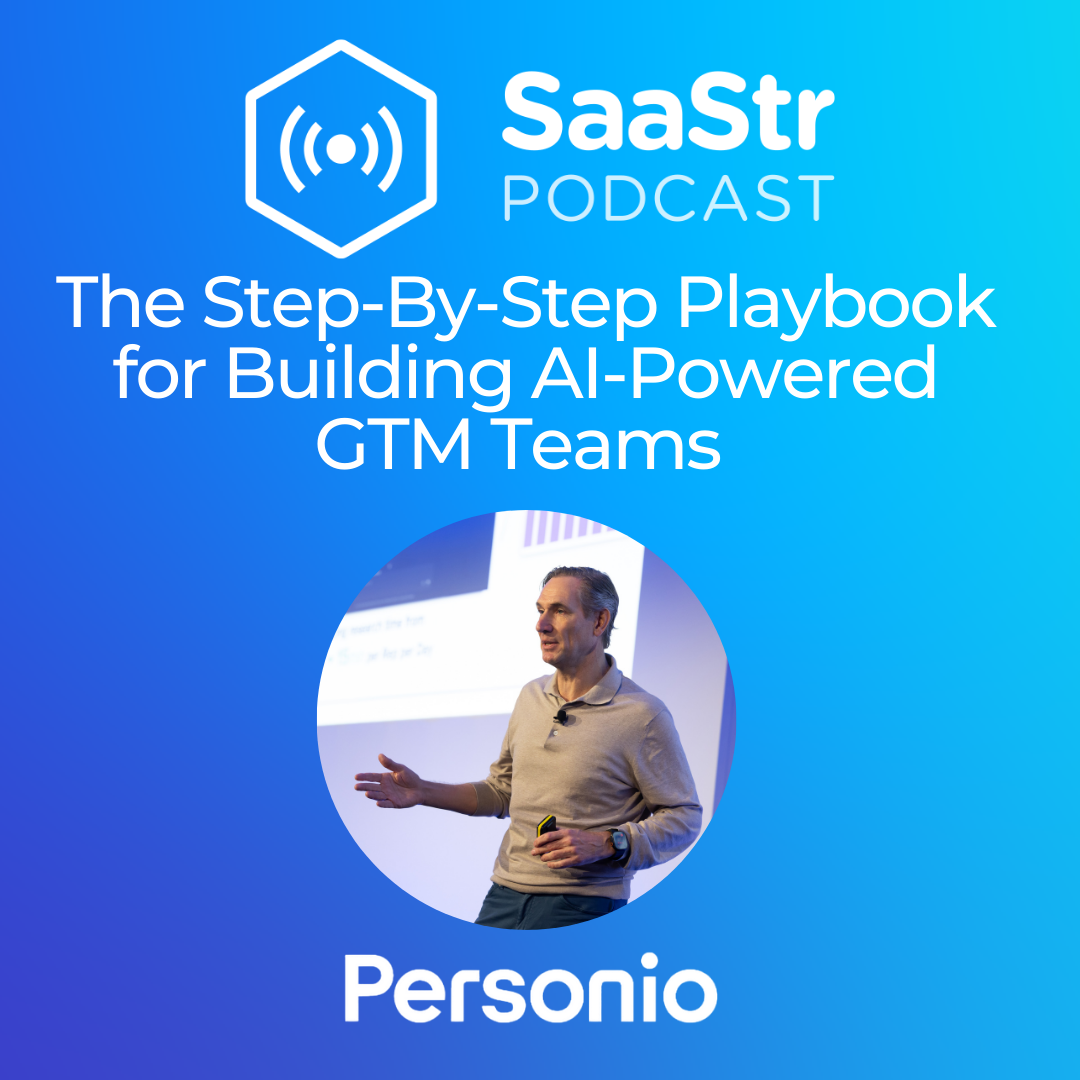
To foster an AI-centric culture, Personio goes beyond simple recognition and offers tangible, high-value incentives. They announced that several seats in their highly coveted annual President's Club trip would be reserved for employees who make the best contributions to their AI initiatives.
Related Insights
An Individual Contributor (IC) who takes the initiative to lead a company's AI adoption gains immense visibility and cross-functional influence. It's a rare opportunity to demonstrate leadership far beyond one's defined role, opening doors to high-profile projects, interactions with senior leadership, and external recognition.
To drive internal change like adopting coding agents, Snowflake's CEO combines top-down goals with bottoms-up enthusiasm. He finds and elevates passionate early adopters—like a founder who fell in love with coding agents—whose influence proves more effective at driving change than executive mandates alone.

Webflow accelerates AI tool adoption using company-wide "Builder Days." This combines a top-down executive mandate (e.g., "no meetings without a prototype") with bottoms-up enablement, including tool access, support channels, and prizes. The goal is to move the entire organization up the adoption curve, not just early adopters.

To make AI adoption tangible, Zapier built rubrics defining "AI fluency" for different roles and seniority levels. By making these skills a measurable part of performance reviews and rewards, you create clear incentives for employees to invest their time in developing them, as behavior follows what gets measured.
To ensure AI adoption is a core competency, formally integrate it into your team's operating system. Webflow is redoing its career ladder to make AI fluency a requirement for advancement, expecting team members not just to use tools but to lead, own, and push the boundaries of AI in their work.
To accelerate company-wide skill development, Shopify's CEO mandated that learning and utilizing AI become a formal component of employee performance evaluations. This top-down directive ensured rapid, broad adoption and transformed the company's culture to be 'AI forward,' giving them a competitive edge.

To accelerate AI adoption and overcome fear of displacement, OneMind's CEO has a policy to financially reward and find new roles for employees who successfully eliminate their own positions using AI. This turns a threat into an incentive for innovation.

Recognizing that providing tools is insufficient, LinkedIn is making "AI agency and fluency" a core part of its performance evaluation and calibration process. This formalizes the expectation that employees must actively use AI tools to succeed, moving adoption from voluntary to a career necessity.
To transform a product organization, first provide universal access to AI tools. Second, support teams with training and 'builder days' led by internal champions. Finally, embed AI proficiency into career ladders to create lasting incentives and institutionalize the change.
The most successful companies are those that fundamentally re-architect their culture and workflows around AI. This goes beyond implementing tools; it involves a top-down mandate to prepare the entire organization for future, more powerful AI, as exemplified by AppLovin's aggressive adoption strategy.