Get your free personalized podcast brief
We scan new podcasts and send you the top 5 insights daily.
Contrary to the popular concept of a positive 'flow state,' traders can also enter a 'dark zone.' In this state, influenced by addictive feedback loops similar to slot machines, the impulsive 'monkey mind' takes control, leading to irrational trading decisions.
Related Insights
Like a poker player after a bad beat, investors who suffer a big loss are psychologically tempted to make increasingly risky bets to recoup their money quickly. This "on tilt" mentality, exemplified by Edward Gilbert, shifts focus from sound analysis to desperate, high-risk gambles that usually compound losses.

A compelling theory frames addiction as a learning disorder. While most brains downgrade a behavior's value as negative consequences pile up, the addict's brain gets stuck on the initial reward signal, failing to update the calculation that the behavior is no longer beneficial.

Post-mortems of bad investments reveal the cause is never a calculation error but always a psychological bias or emotional trap. Sequoia catalogs ~40 of these, including failing to separate the emotional 'thrill of the chase' from the clinical, objective assessment required for sound decision-making.

When facing economic ruin, humans don't become conservative. They enter a psychological 'lost domain' where they become risk-seeking, making high-stakes gambles like meme stocks or crypto in a desperate attempt to recover their losses in one move.

The brain's deliberative "Pause & Piece Together" system is suppressed by stress, which boosts the impulsive "Pursue" (reward) and "Protect" (threat) systems. This neurological process explains why we make rash choices when tired or under pressure.

Modern slot machines keep people playing even while losing money through a psychological trick called 'losses disguised as wins.' By celebrating a 40-credit payout on a 100-credit bet with flashing lights and sounds, the machine makes a net loss feel like a victory, compelling users to continue pouring money in.

Based on Daniel Kahneman's Prospect Theory, once investors feel they are losing money, their behavior inverts. Instead of cutting losses, they adopt a "double or nothing" mentality, chasing high-risk gambles to escape the psychological pain of loss.

We focus on how to win, but failure is inevitable. How you react to loss determines long-term success. Losing money triggers irrational behavior—chasing losses or getting emotional—that derails any sound strategy. Mastering the emotional response to downswings is the real key.

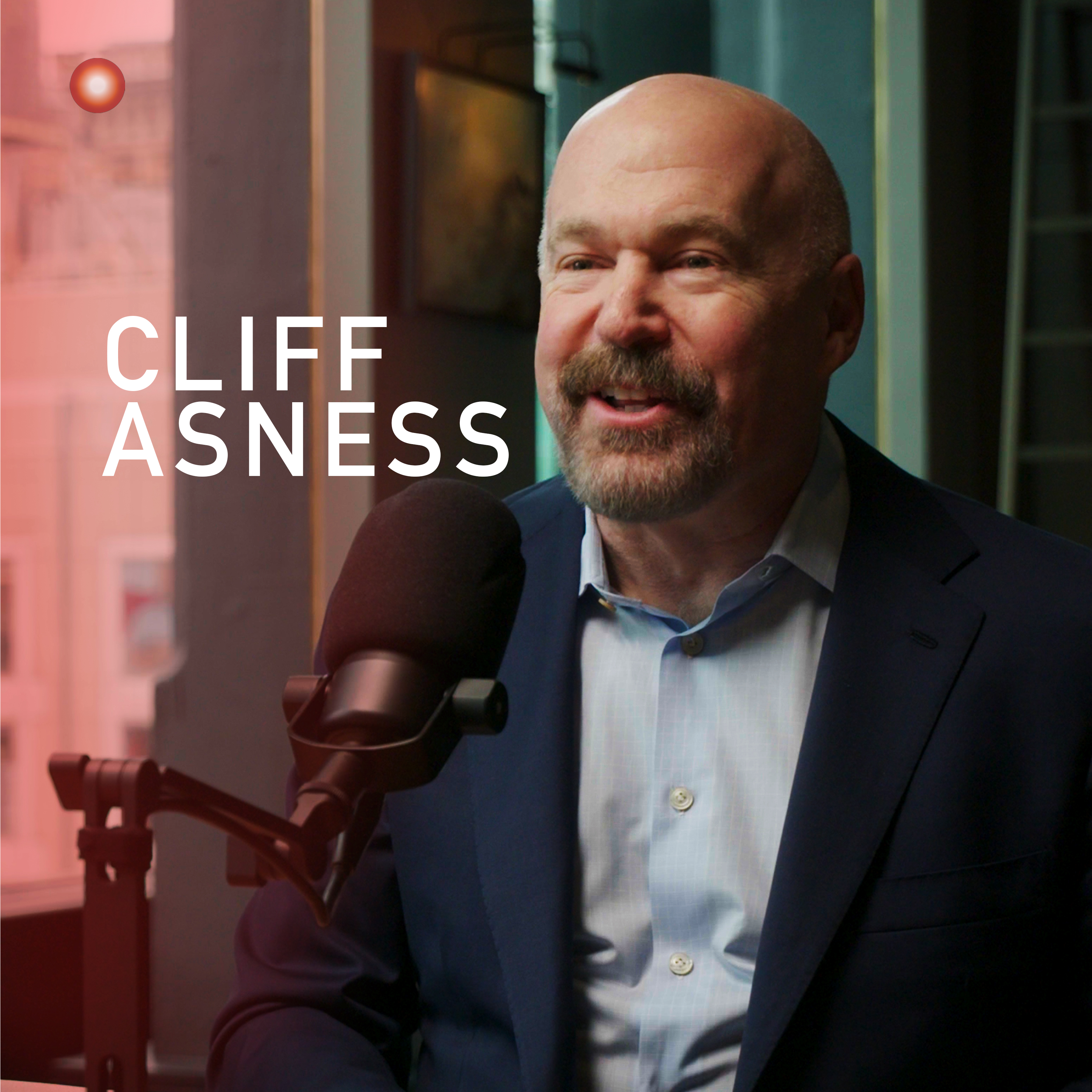
Cliff Asness argues that modern trading apps have "gamified" investing to the point where users treat it like sports betting. They adopt flawed strategies like the Martingale system, which guarantees ruin without an infinite bankroll, confusing speculation with a viable investment process.
People feeling financially trapped don't become more responsible. Instead, they enter a psychological "lost domain" where they re-evaluate risk and seek a single, high-stakes move to recover everything at once, often leading to a downward spiral.
