Get your free personalized podcast brief
We scan new podcasts and send you the top 5 insights daily.
Modern slot machines keep people playing even while losing money through a psychological trick called 'losses disguised as wins.' By celebrating a 40-credit payout on a 100-credit bet with flashing lights and sounds, the machine makes a net loss feel like a victory, compelling users to continue pouring money in.

Related Insights
Modern society turns normal behaviors like eating or gaming into potent drugs by manipulating four factors: making them infinitely available (quantity/access), more intense (potency), and constantly new (novelty). This framework explains how behavioral addictions are engineered, hijacking the brain’s reward pathways just like chemical substances.
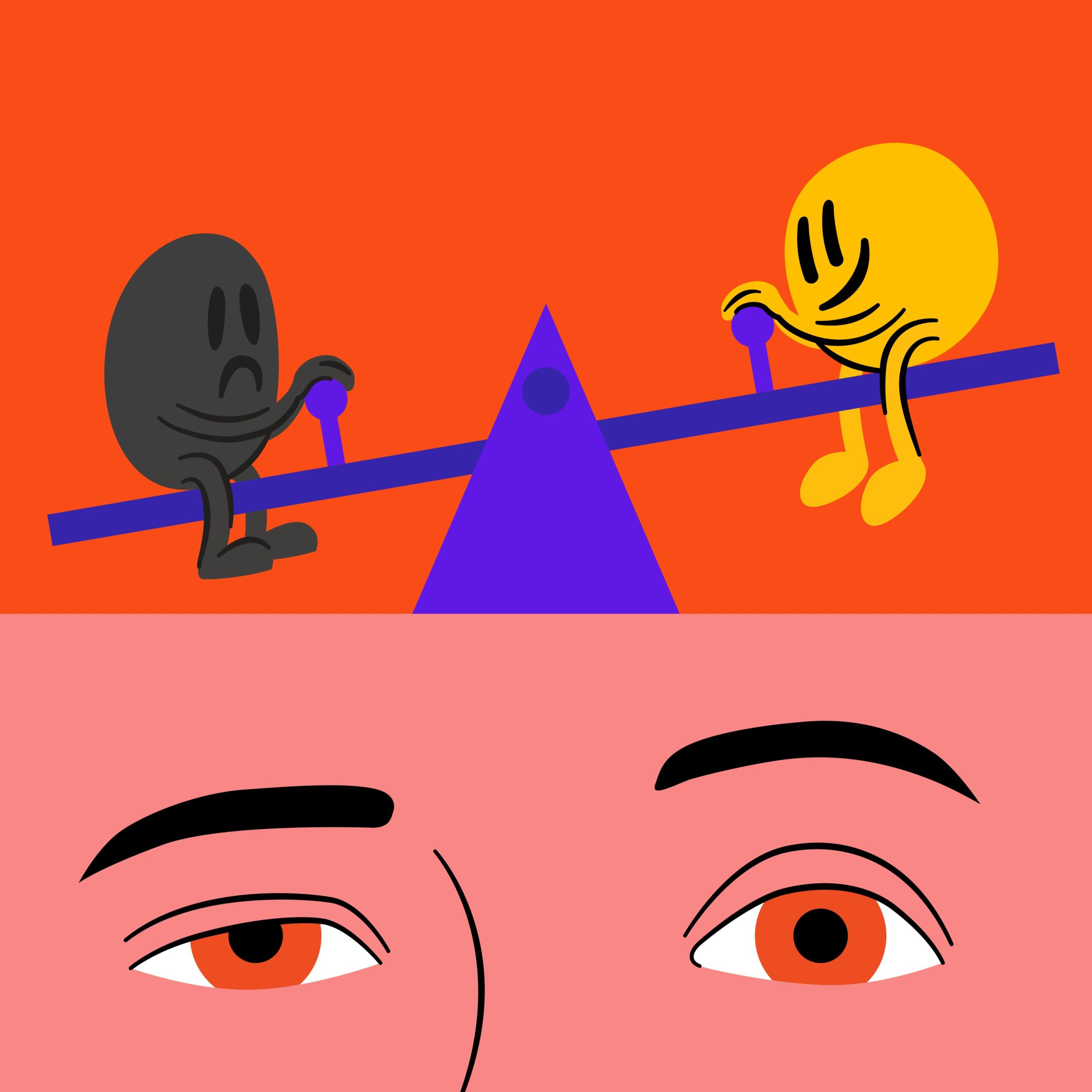
Every addiction, from substance abuse to overeating, is a gamble. The addict is constantly betting against disastrous consequences, whether it's health problems, relationship ruin, or death. This reframes addiction not just as a dependency but as a high-stakes game against oneself.
When David Choe started collecting Pokémon cards, he got a rare, high-value card in his first pack. He identifies this immediate, significant reward as the worst thing that could have happened, as it instantly validated the gamble and provided the dopamine hit needed to fuel a new, intense addiction.
A powerful definition of addiction is the gradual shrinking of a person's sources of joy. As the addiction takes hold, natural rewards like relationships, work, and hobbies fall away until the substance or behavior becomes the only thing left that provides a feeling of reward, creating a powerful psychological dependency.
Addiction isn't defined by the pursuit of pleasure. It's the point at which a behavior, which may have started for rational reasons, hijacks the brain’s reward pathway and becomes compulsive. The defining characteristic is the inability to stop even when the behavior no longer provides pleasure and begins causing negative consequences.
A guest with a decades-long gambling problem consistently rejects the 'addict' label. He instead refers to his compulsion as his 'action' or 'entertainment.' This psychological reframing allows him to perceive the destructive habit as a chosen lifestyle rather than a sickness he can't control.

Winning provides a powerful but temporary high. However, for some gambling addicts, the intense emotional state of losing—and the accompanying shame and destruction—becomes the true addiction. This self-sabotage recreates familiar patterns of childhood trauma, making the pain of the bottom a sought-after feeling.
Based on Daniel Kahneman's Prospect Theory, once investors feel they are losing money, their behavior inverts. Instead of cutting losses, they adopt a "double or nothing" mentality, chasing high-risk gambles to escape the psychological pain of loss.

Emotion drives poor financial decisions. Negreanu notes the biggest leak for most players is their session length. They'll play for hours trying to "get even" on a bad day (when they're likely tilted and playing poorly), but cash out after a small win on a good day (when conditions are favorable).

People don't treat all money as fungible. They create mental buckets based on the money's origin—'windfall,' 'salary,' 'savings'—and spend from them differently. Money won in a bet feels easier to spend on luxuries than money from a paycheck, even though its value is identical.
