Get your free personalized podcast brief
We scan new podcasts and send you the top 5 insights daily.
SUNK combines two worlds: Slurm, the dominant job scheduler in high-performance computing and AI research, and Kubernetes, the standard for resilient, cloud-native infrastructure orchestration. This fusion gives researchers the powerful scheduling they need, backed by the robust, automated management they lack.
Related Insights
A new category of "NeoCloud" or "AI-native cloud" is rising, focusing specifically on AI training and inference. Unlike general-purpose clouds like AWS, these platforms are GPU-first, catering to massive AI workloads and addressing the GPU scarcity and different workload patterns found in hyperscalers.

Simply adding GPUs to existing cloud infrastructure is insufficient for AI. An AI-centric approach requires re-imagining everything from hardware layout to job orchestration. Forcing AI concepts into legacy application models slows down development and creates unnecessary challenges for teams.
MCP, like Docker, solves an immediate developer problem (interfacing with tools) while also hinting at the next-generation architecture for orchestrating complex, multi-tier AI-native applications.
AI Infrastructure (AI Infra) solves problems unique to AI/ML, such as managing compute-heavy, GPU-dependent workloads. This marks a shift from traditional infrastructure, which was often more focused on data input/output rather than intensive computation.

Ray is a Python-native framework that simplifies distributed computing for AI workloads. It allows ML engineers to focus on research and model building by abstracting away the complexities of managing compute across multiple GPUs.
The current AI landscape, with its many single-purpose tools for inference, vector storage, and training, mirrors the early days of cloud computing. Just as S3 and EC2 were primitives that AWS bundled into a comprehensive cloud, these disparate AI tools will eventually be integrated into a new, cohesive "AI Cloud" platform.
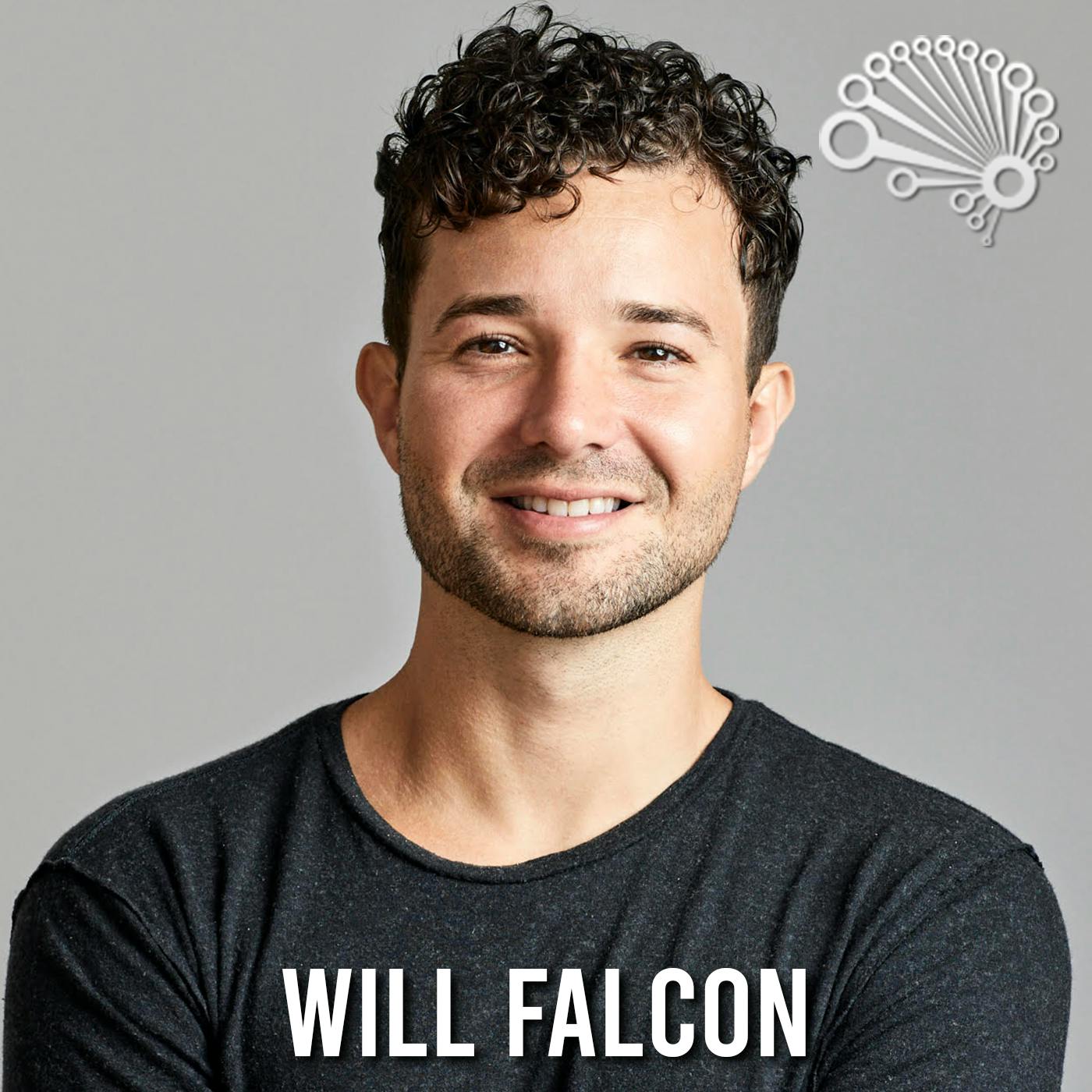
To operate thousands of GPUs across multiple clouds and data centers, Fal found Kubernetes insufficient. They had to build their own proprietary stack, including a custom orchestration layer, distributed file system, and container runtimes to achieve the necessary performance and scale.

A new category of cloud providers, "NeoClouds," are built specifically for high-performance GPU workloads. Unlike traditional clouds like AWS, which were retrofitted from a CPU-centric architecture, NeoClouds offer superior performance for AI tasks by design and through direct collaboration with hardware vendors like NVIDIA.
To manage costs, the optimal architecture isn't running everything on the most powerful model. Instead, a smart orchestrator agent should break down complex problems and dispatch simpler sub-tasks to smaller, cheaper models, optimizing for both cost and performance.

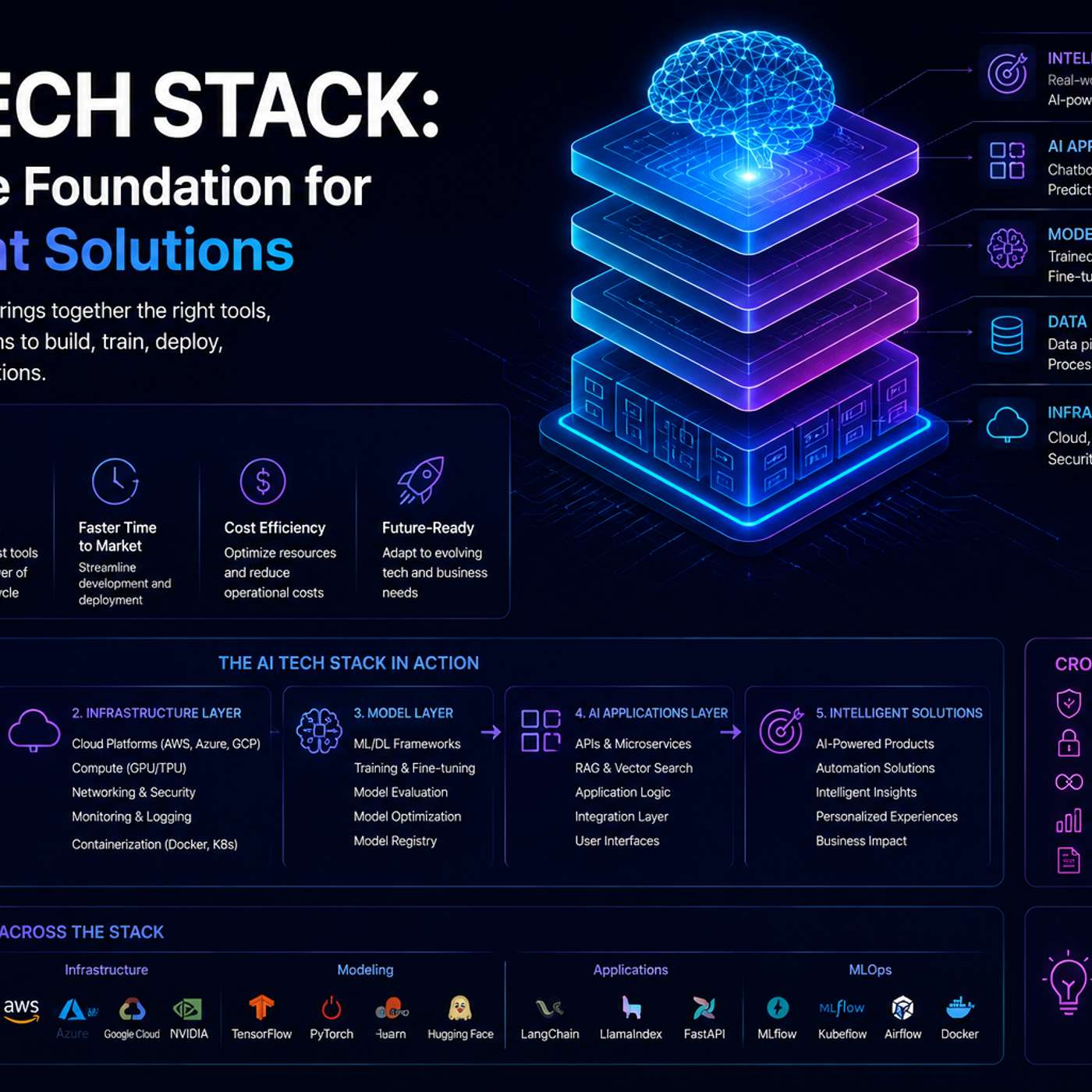
The modern AI stack has shifted from manually managed, monolithic systems to modular, cloud-native architectures. This change prioritizes scalability, reproducibility, and collaboration, reflecting AI's move from a research discipline to a core engineering function that supports scalable production systems.