Get your free personalized podcast brief
We scan new podcasts and send you the top 5 insights daily.
QED Investors realized they were misusing their famous founder, Nigel Morris, by only bringing him in for the final call. They now strategically deploy him early in the process to open doors and build relationships with target companies, using his reputation as an asset for outreach, not just a closing tool.

Related Insights
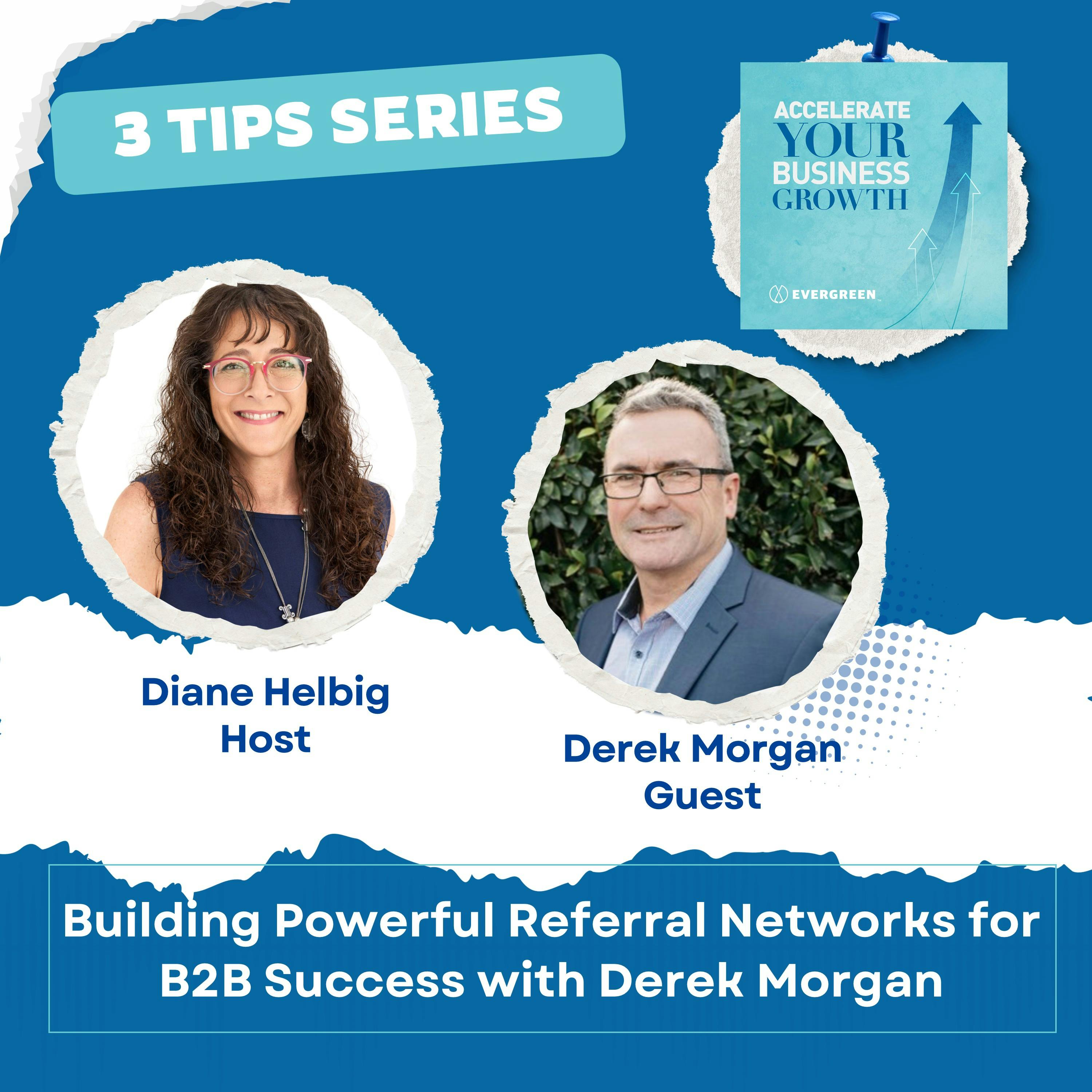
The goal of networking shouldn't be to find your next customer. Instead, strategically identify and connect with potential referral partners. One such partner can become a center of influence, introducing you to hundreds of ideal customers, far outweighing the value of a single transaction.
View your personal brand or "likeness" not just as a marketing tool, but as a strategic asset that generates deal flow. This asset grants access to rooms and relationships that can be converted into partnerships, ownership stakes, and long-term revenue streams, fundamentally shifting you from talent-for-hire to an equity holder.

A16z's content strategy allowed entrepreneurs to feel like they "knew" the partners before ever meeting them. This pre-established rapport is a powerful competitive advantage, creating a baseline of trust and alignment that competitors without a public voice lack. It transforms a cold pitch into a warm conversation.

Value-add isn't a pitch deck slide. Truly helpful investors are either former operators who can empathize with the 0-to-1 struggle, or they actively help you get your first customers. They are the first call in a crisis or the ones who will vouch for you on a reference call when you have no other credibility.

Tim Ferriss's success as an angel investor was built on a reputation for discretion and trustworthiness. Founders entrusted him with confidential information, giving him access to top-tier deals. This shows that reputation is a tangible asset that can yield greater returns than direct monetization schemes.

To win highly sought-after deals, growth investors must build relationships years in advance. This involves providing tangible help with hiring, customer introductions, and strategic advice, effectively acting as an investor long before deploying capital.
![David George - Building a16z Growth, Investing Across the AI Stack, and Why Markets Misprice Growth - [Invest Like the Best, EP.450] thumbnail](https://megaphone.imgix.net/podcasts/8da7dbd8-ceeb-11f0-941c-ef83bcdd4c9f/image/d44107bc94719f78fbe91befb141073e.jpg?ixlib=rails-4.3.1&max-w=3000&max-h=3000&fit=crop&auto=format,compress)
Securing executive buy-in is its own sales stage, distinct from champion agreement. Don't just repeat the demo for the boss. Use executive-level tactics like reference calls with their peers, exec-to-exec meetings to build relationships, or roadmap presentations to sell the long-term vision and partnership.
Effective multi-threading isn't just about engaging multiple customer stakeholders. It also means strategically deploying your own team members—like founders, product experts, or engineers—at key moments. This "team sport" approach builds buyer confidence and de-risks complex enterprise deals.

The most effective fundraising strategy isn't a rigid, time-boxed "process." Instead, elite founders build genuine relationships with target VCs over months. When it's time to raise, the groundwork is laid, turning the fundraise into a quick, casual commitment rather than a competitive, game-driven event.

To build immediate trust and demonstrate value, QED partners engage with founders by simulating a board-level conversation from the first meeting. This "pretend I'm your investor" approach showcases their expertise and builds rapport, proving their founder-friendliness rather than just promising it.