Get your free personalized podcast brief
We scan new podcasts and send you the top 5 insights daily.
Kuzma leverages his status as a professional athlete, which makes CEOs and VCs want to meet him, to gain access to highly sought-after private investment opportunities, turning fame into a decisive deal flow advantage.

Related Insights
You don't need to be born with a powerful network. You can "earn access" by consistently doing exceptional work for well-connected individuals. They will, in turn, feel compelled to use their influence and network to create opportunities for you, as they did for the Gruuns founder's Stanford admission.

For high-growth brands, the value of partnering with major figures like athletes isn't immediate sales. The real return is in access and the 'co-sign' effect. One partnership can unlock several other valuable opportunities, making the investment worthwhile through indirect, long-term benefits.

While the celebrity beverage market is crowded, a key advantage for stars like Ben Stiller is direct access to retail executives. A-list fame ensures that a call to the CEO of a major chain like Walmart will be taken, potentially fast-tracking distribution deals that would take a typical startup years to secure.

Located in Silicon Valley, Young and his teammates leveraged their unique asset—exclusive access to the 49ers locker room—to build relationships with venture capitalists on Sand Hill Road. This non-traditional networking strategy gave them entry into investment opportunities they otherwise couldn't access.

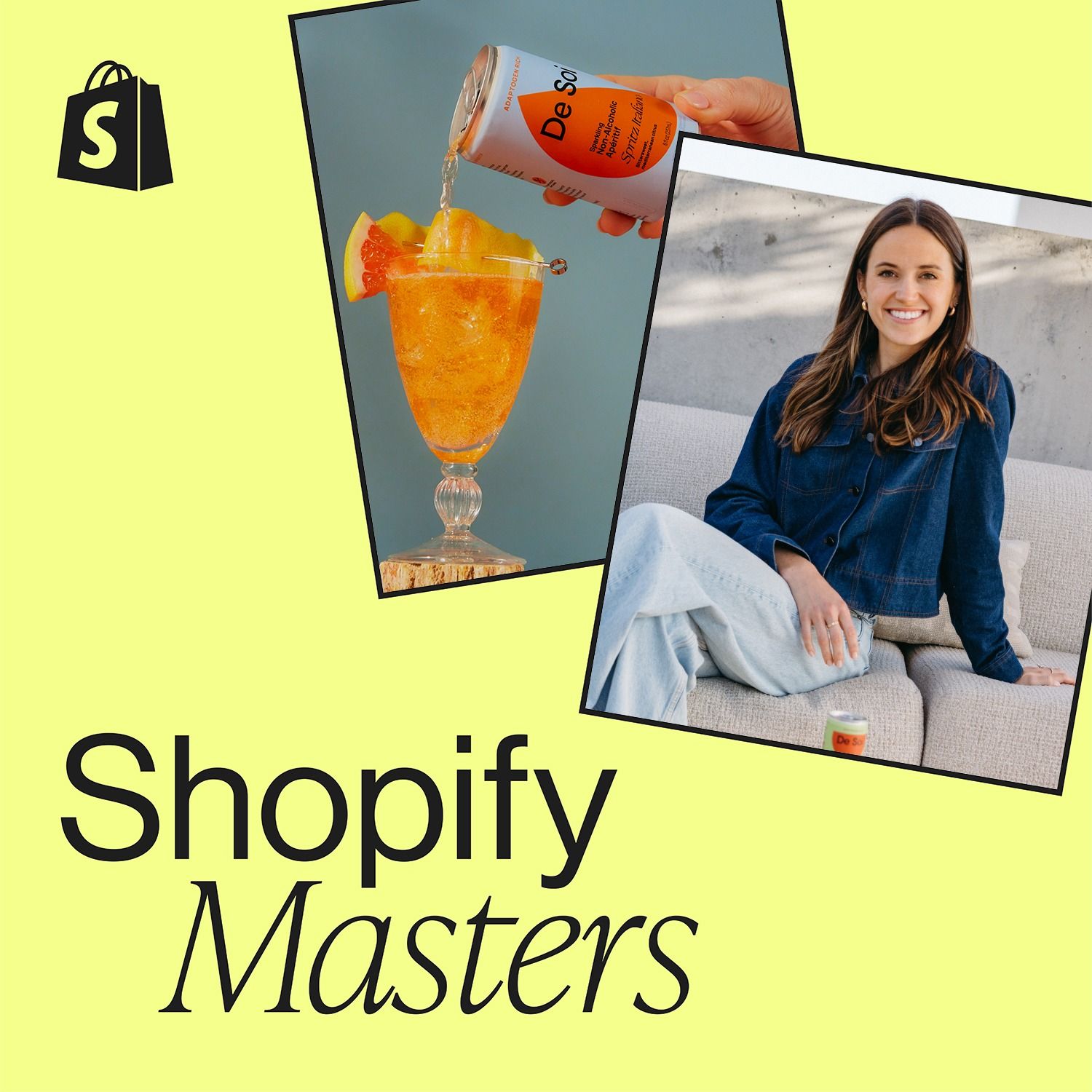
De Soi's co-founder Katy Perry provides more than social media reach. Her involvement creates a "flywheel effect," granting unfair advantages like securing initial meetings with major retailers, features in top-tier press (Vogue), and attracting crucial early-stage capital that a typical startup couldn't access.
By hiring stars like Tom Brady, JPMorgan creates a "halo effect." This strategy aims to attract the athletes' massive fan bases as customers, making the high cost of celebrity endorsements a scalable customer acquisition channel beyond the initial high-net-worth target.

Tim Ferriss's success as an angel investor was built on a reputation for discretion and trustworthiness. Founders entrusted him with confidential information, giving him access to top-tier deals. This shows that reputation is a tangible asset that can yield greater returns than direct monetization schemes.
The ideal seed investor isn't just a finance professional. They are a respected founder of a successful company in a hot, emerging field. This status grants them credibility, access, and respect from other founders, leading to superior deal flow that cannot be accessed otherwise.

For celebrities, the most effective path to massive wealth isn't always starting their own company. A more strategic approach is to identify a promising brand and exchange social capital for a significant equity stake, as Roger Federer did with On. This leverages influence without the operational burden of building a business from scratch.

QED Investors realized they were misusing their famous founder, Nigel Morris, by only bringing him in for the final call. They now strategically deploy him early in the process to open doors and build relationships with target companies, using his reputation as an asset for outreach, not just a closing tool.
