Get your free personalized podcast brief
We scan new podcasts and send you the top 5 insights daily.
By hiring stars like Tom Brady, JPMorgan creates a "halo effect." This strategy aims to attract the athletes' massive fan bases as customers, making the high cost of celebrity endorsements a scalable customer acquisition channel beyond the initial high-net-worth target.

Related Insights
Ally proves the ROI of brand-building through its commitment to women's sports. The initiative resulted in a 6x higher likelihood of account openings and an 87% more efficient customer acquisition cost among fans, showing how purpose-driven marketing directly impacts performance.
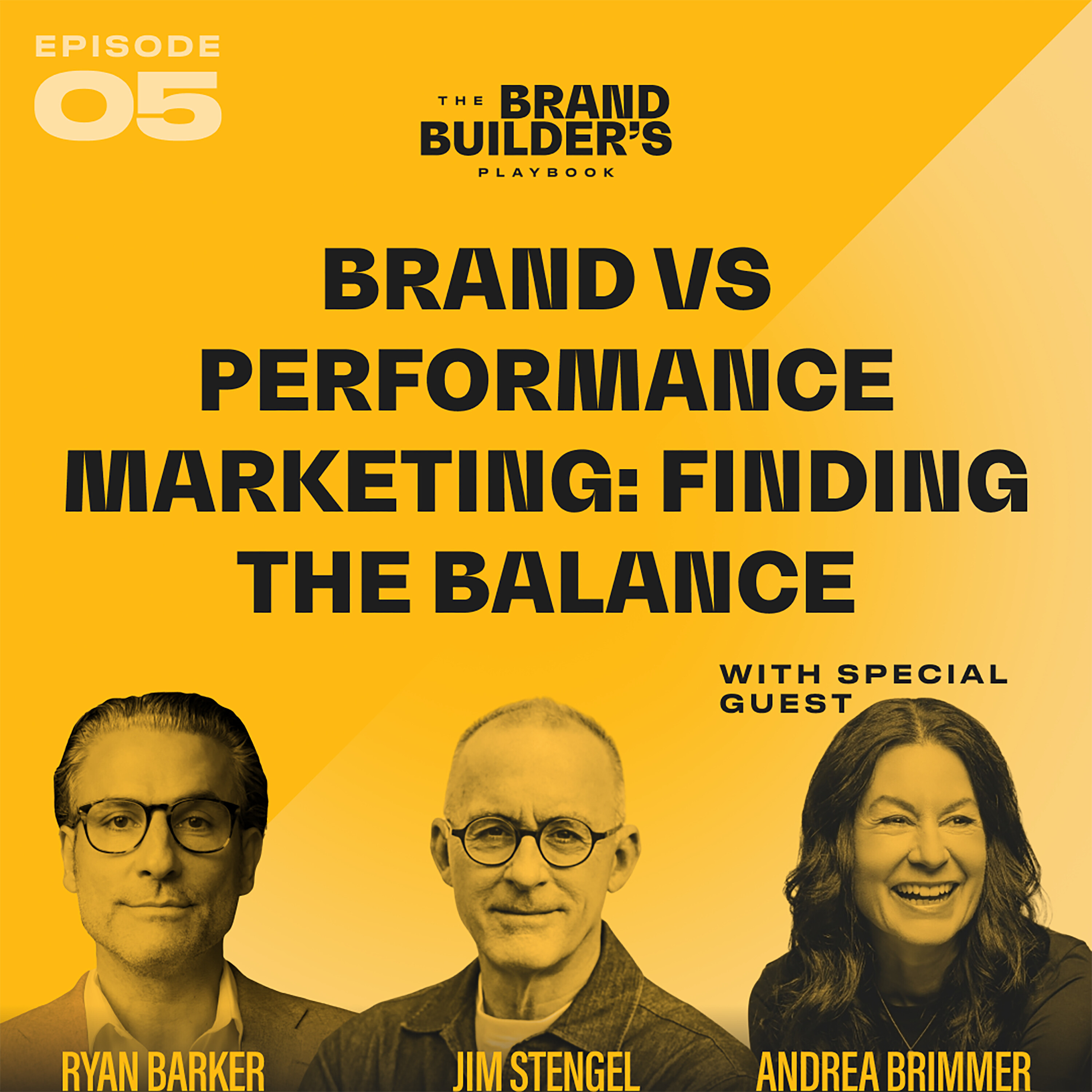
Over 60% of Super Bowl ads used celebrities, but most failed to deliver ROI. The few successes, like Ben Affleck for Dunkin', worked because the connection was sincere and pre-existing. Simply paying for fame without a genuine link is a waste of money.
Market size isn't the only driver for product expansion. On Running's entry into the relatively small tennis market was driven by their partnership with Roger Federer. The collaboration was seen as an infusion of an "athlete mindset" and "excellence" into the company's DNA, justifying the move beyond a purely financial calculus.
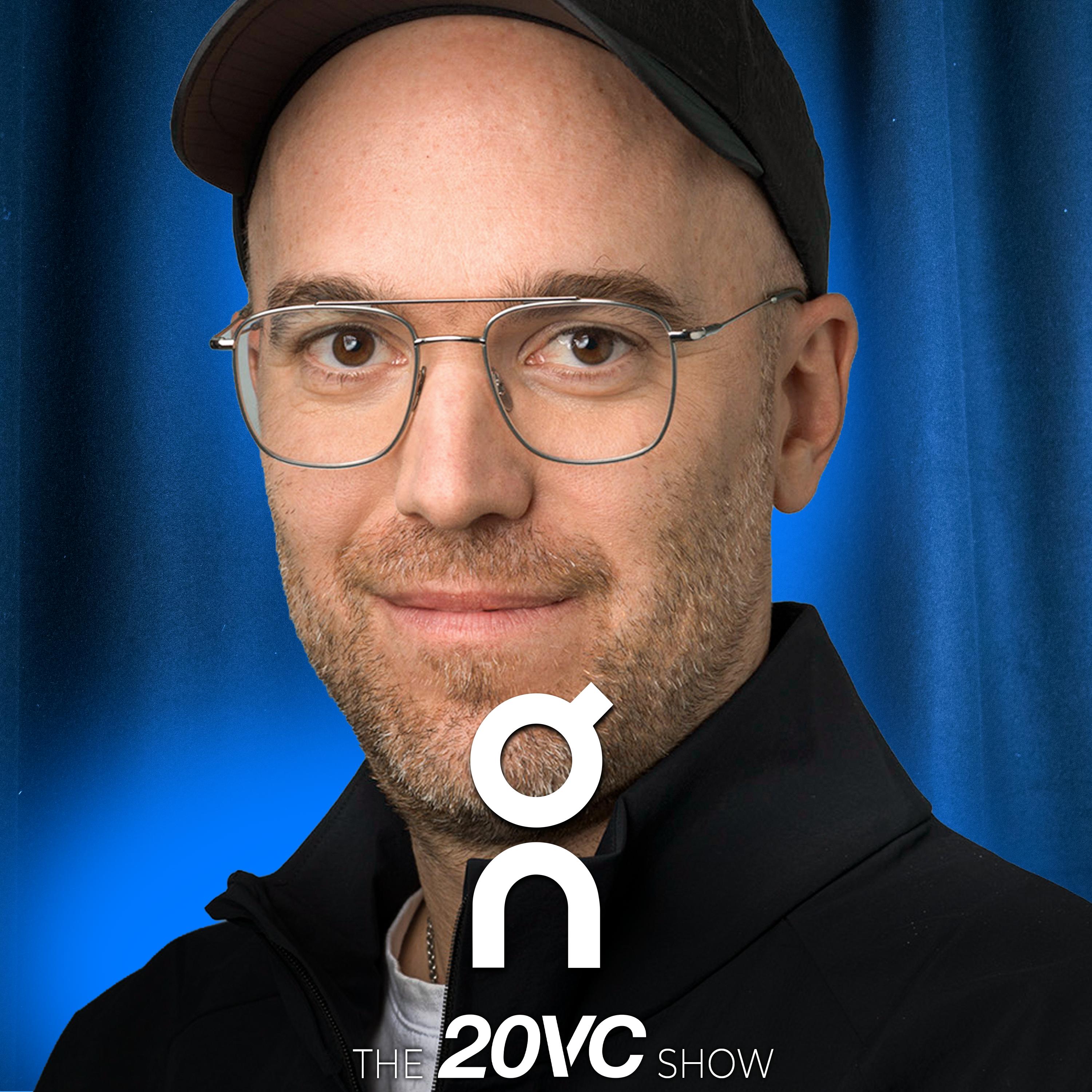
Unlike product marketing, sports marketing cannot control the core product’s performance (wins/losses). The primary job is to build deep, personal connections between fans and athletes. This creates emotional "insulation" where fan loyalty is tied to the people and the brand, not just unpredictable on-court results.

McDonald's strategy wasn't to hire celebrities, but to partner with existing fans. Campaigns like the celebrity meals weren't invented; they were the stars' actual orders. This approach ensures an authentic connection with the audience, making the collaboration feel genuine rather than a transactional endorsement.

An athlete's ability to build a large online community is a direct economic benefit to a team, driving ticket sales and viewership. As this value becomes more quantifiable, a strong creator profile could become a deciding factor between two equally skilled players during recruitment.

Don't dismiss the success of celebrity brands as unattainable. Instead, analyze the core mechanism: massive 'free reach' and 'memory generation.' The takeaway isn't to hire a celebrity, but to find your own creative ways to generate a similar level of organic attention and build a tribe around your brand.
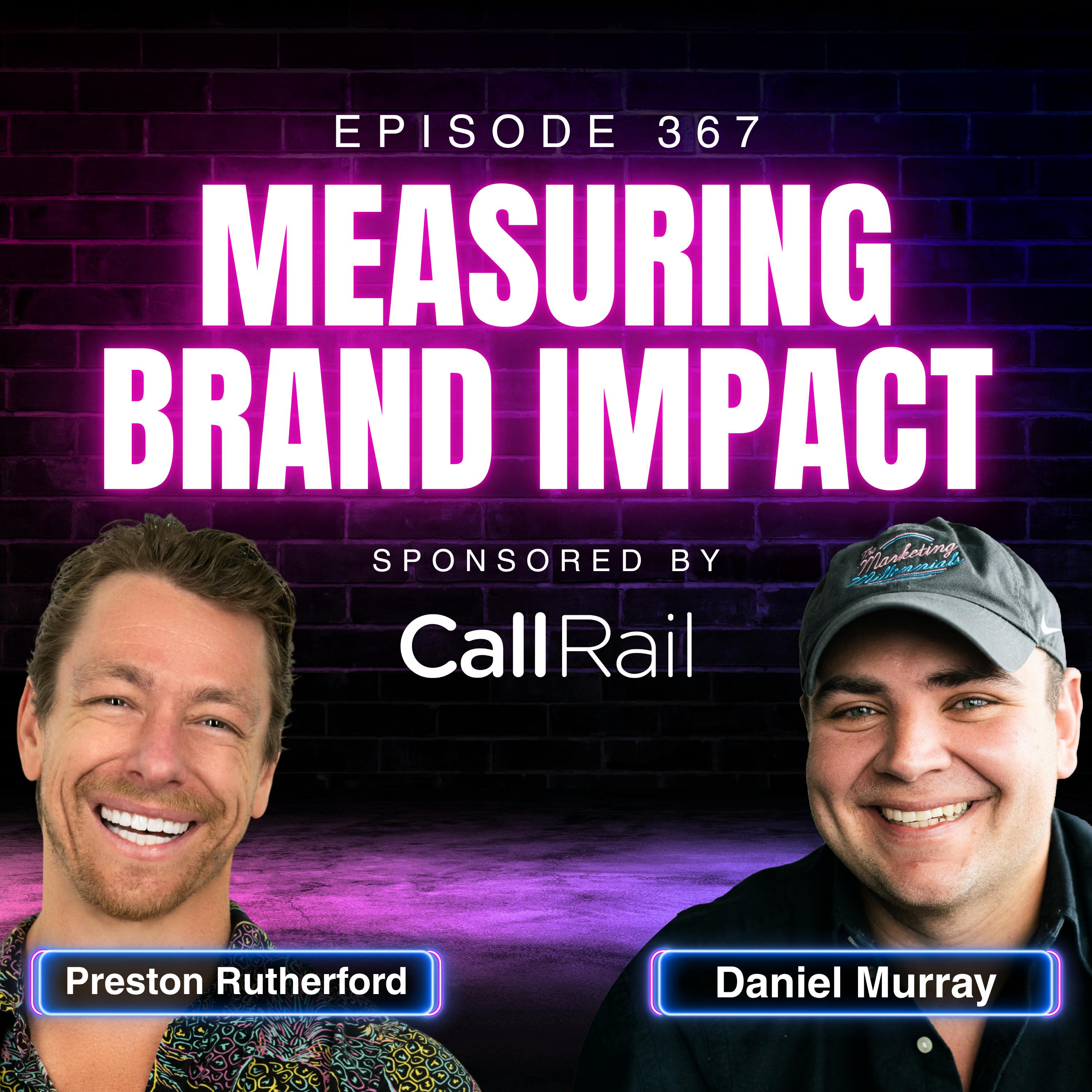
Qualcomm's Manchester United sponsorship delivered massive brand awareness (9.5 billion impressions) even while the team was underperforming. This shows that for globally recognized sports franchises, the brand ethos and massive, passionate fanbase provide value that is largely independent of the team's current win-loss record.
Instead of just asking players to promote the NFL, Tim Ellis focused on their personal goals (e.g., fashion, gaming). By consistently making them "look cool," he earned their trust and enthusiastic collaboration.
Contrary to popular belief, a celebrity wearing your product is not a golden ticket for sales. Heaven Mayhem's founder reveals that even massive celebrity placements often result in zero direct sales lifts. The true value is the long-term "halo effect" that boosts brand credibility and perception over time.
