Get your free personalized podcast brief
We scan new podcasts and send you the top 5 insights daily.
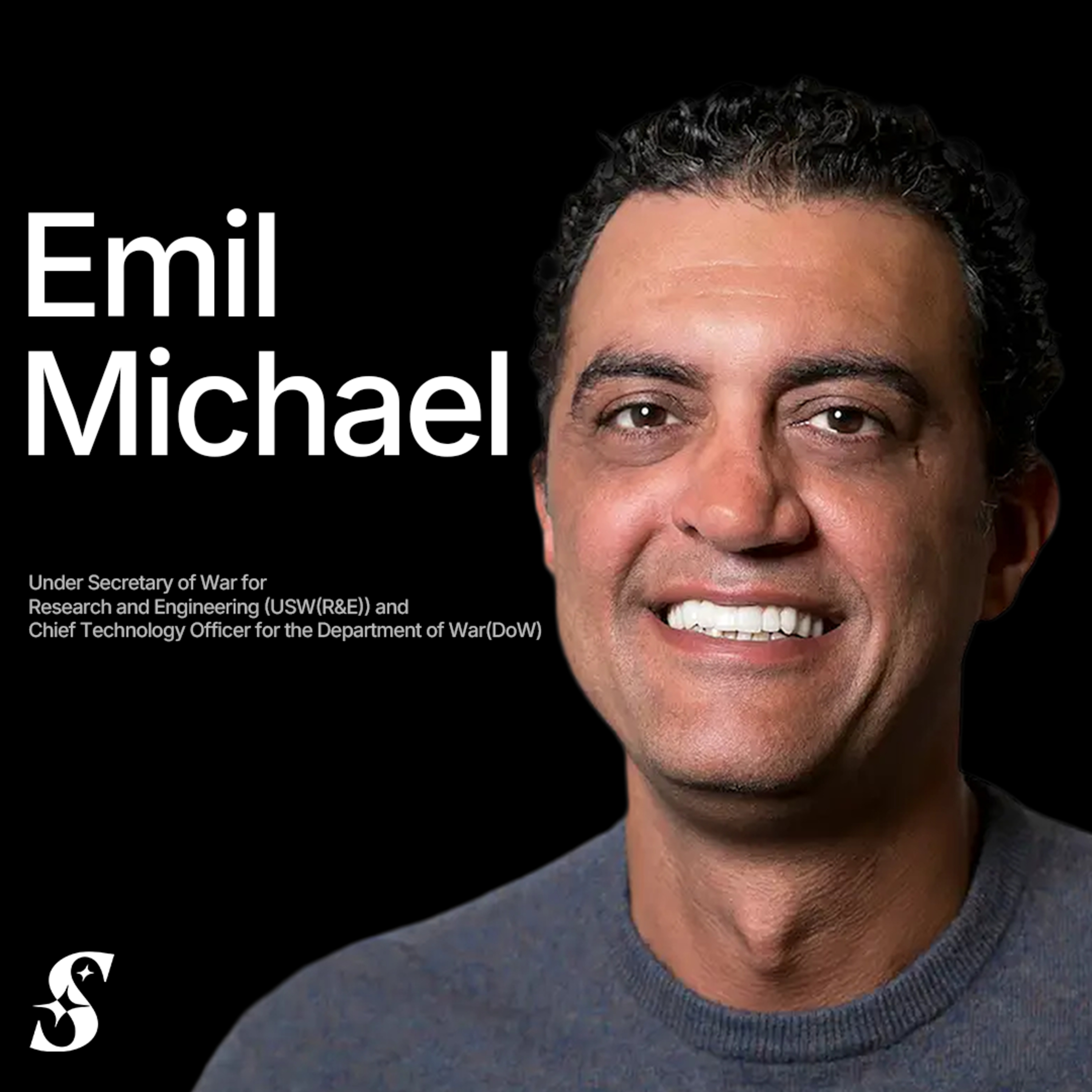
Under Secretary of War Emil Michael states the biggest barrier for defense startups isn't technology, but navigating procurement bureaucracy. By reforming requirements and shifting to commercial-style, fixed-cost contracts, the Pentagon aims to favor product innovation over process navigation.

Related Insights
To attract innovation, the DoD is shifting its procurement process. Instead of issuing rigid, 300-page requirement documents that favor incumbents, it now defines a problem and asks companies to propose their own novel solutions.

The Department of Defense is moving from rigid, program-specific contracts to a portfolio model. New Portfolio Acquisition Executives can now reallocate funds from underperforming projects to more promising startups mid-stream, rewarding agility and results over incumbency.

Decades of adding regulations without subtracting have made the current defense procurement framework unsalvageable through minor adjustments. To achieve necessary speed and efficiency, policymakers must abandon the current system and start fresh, focusing on outcome-based contracts rather than process compliance.

Emil Michael warns defense tech founders that a prototype is not enough. The Department of War requires a credible plan for mass production. Startups must prove they have mastered the "skilled manufacturing piece" to win large contracts.
US Under Secretary of War Emil Michael reveals that the procurement system was so broken that SpaceX, Anduril, and Palantir all had to sue the Department of War to secure their first contracts, a barrier he is now working to eliminate.
Luckey reveals that Anduril prioritized institutional engagement over engineering in its early days, initially hiring more lawyers and lobbyists. The biggest challenge wasn't building the technology, but convincing the Department of Defense and political stakeholders to believe in a new procurement model, proving that shaping the system is a prerequisite for success.
![Palmer Luckey - Inventing the Future of Defense - [Invest Like the Best, CLASSICS] thumbnail](https://megaphone.imgix.net/podcasts/f7c9aa8e-cb8d-11f0-828e-0b281809c10a/image/cc07f91ec47f95abbde771a4956b37b7.jpg?ixlib=rails-4.3.1&max-w=3000&max-h=3000&fit=crop&auto=format,compress)
The government's procurement process often defaults to bidding out projects to established players like Lockheed Martin, even if a startup presents a breakthrough. Success requires navigating this bureaucratic reality, not just superior engineering.

The Under Secretary of War's primary job is not just to fund technology, but to actively cultivate an ecosystem of new defense contractors. The stated goal is to create five more major companies capable of challenging established primes like Lockheed Martin, fostering competition and bringing new capabilities into the defense sector.
A major upcoming change in the National Defense Authorization Act (NDAA) is the removal of "past performance" as a key criterion in procurement. This rule has historically favored large, incumbent defense contractors over innovative startups. Eliminating it allows new companies to compete on the merits of their technology, representing a significant unlock for the entire defense tech ecosystem.

The Pentagon is moving away from decades-long, multi-billion dollar projects like aircraft carriers. The new focus is on mass-produced, attributable, low-cost systems like drones, which allows for faster innovation and deployment from new defense tech startups, not just the old primes.