Get your free personalized podcast brief
We scan new podcasts and send you the top 5 insights daily.
Unlike the cautious, collegial Soviet Politburo—composed of men who survived Stalin by avoiding opinions—Putin governs alone as a risk-taker. This lack of institutional checks and balances makes his actions dangerously unpredictable. The stability of Russia itself is fragile and dependent on him, making him a fundamentally different and more acute threat than his Cold War predecessors.
Related Insights
Historically, Russia and China's strategy as continental empires involves avoiding two-front wars and actively destabilizing neighboring states. This creates buffer zones and prevents any single power from becoming a threat on their borders, ensuring their own security through regional instability.

Putin's history shows a reliable pattern: he appears cooperative and makes agreements, only to later act in his own self-interest. To predict his moves in conflicts like the Ukraine war, one must analyze this long-term behavioral pattern rather than his current statements or gestures.

To predict a leader's actions, disregard their words and even individual actions. Instead, focus on their consistent, long-term pattern of behavior. For Putin, the pattern is using negotiations as a stalling tactic to advance a fixed agenda, making him an unreliable partner for peace deals based on stated intentions.

Both nations use nationalism to rally support and distract from domestic failings. But this approach is a "heady drink" with severe downsides: it repels internal minorities, pushes neighbors to form counter-alliances, and makes it politically difficult to de-escalate international crises.
The core national anxieties of Russia and China are opposites, shaping their strategic cultures. Russia's history of devastating invasions fuels its fear of external threats (the "Mongol yoke"). China, haunted by centuries of civil war, fears internal chaos and the collapse of the state above all else.
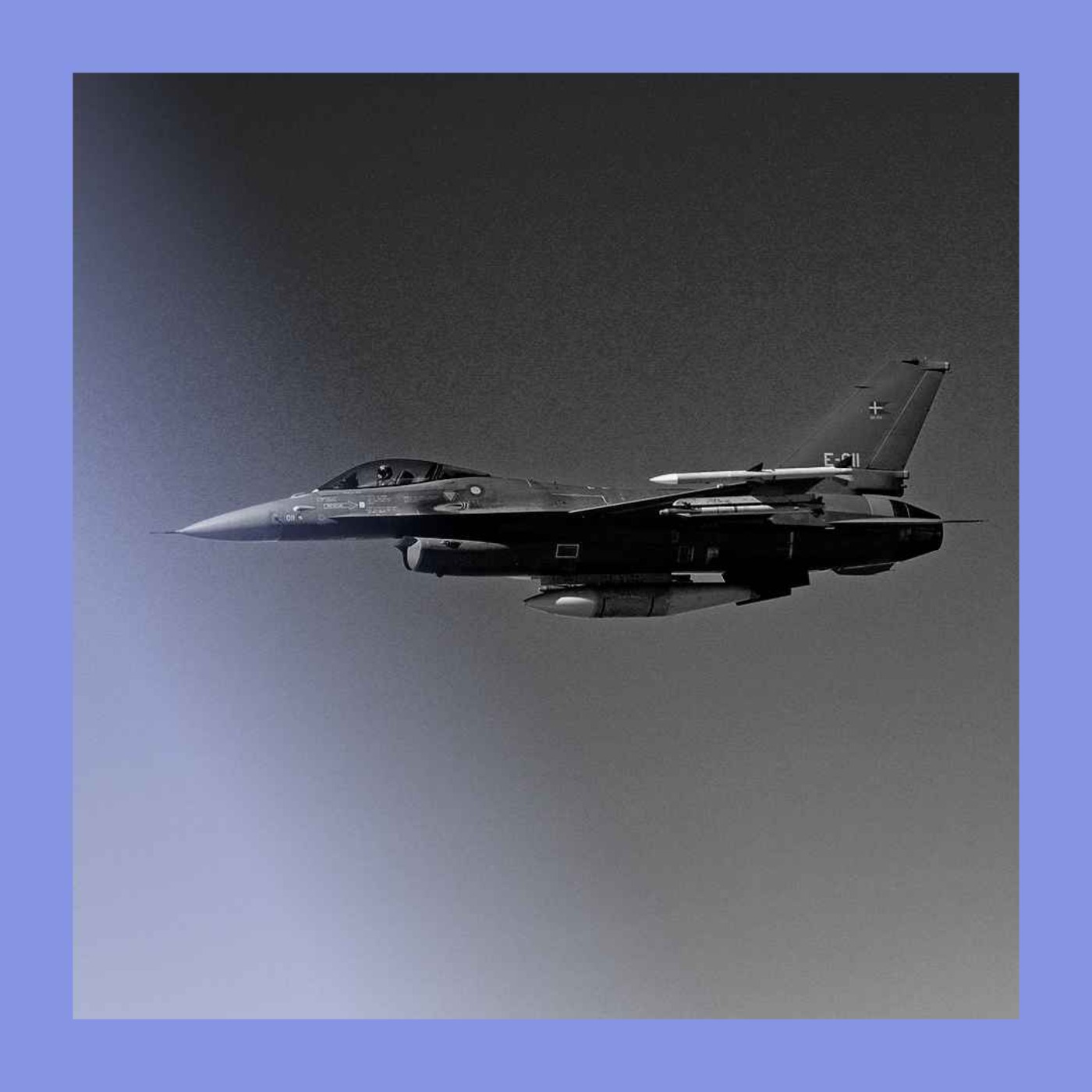
Even when Russian drones or jets enter NATO airspace by "accident," it is not a mistake but a deliberate policy. Choosing to operate pilots and missile systems with a high tolerance for error is a form of calculated recklessness. This tactic applies constant pressure on Europe and signals a high-risk appetite without firing a shot.
To control Eastern Europe after WWII, the Soviets used a replicable playbook. They seized control of defense, interior, and justice ministries to monopolize coercion and information, while using land reform to eliminate old elites and create dependency, all under the fiction of democracy.
Soviet leaders who lived through WWII understood the unpredictability of direct conflict and preferred proxy wars. Vladimir Putin, in contrast, has consistently used direct "hot wars"—from Chechnya to Georgia to Ukraine—as a primary tool to consolidate power and boost his domestic popularity.
In Russia, nominally private companies like Gazprom function as direct extensions of the state. Their international investments are designed not just for profit but to achieve geopolitical goals, creating a system where foreign policy, business interests, and the personal wealth of the ruling class are completely inseparable.

Evaluate political ideologies based on their historical potential for large-scale harm ("amplitude"), not just a leader's current negative actions. A socialist path, historically leading to mass death, may pose a greater long-term threat than a leader's immediate, but less catastrophic, authoritarian tendencies.