Get your free personalized podcast brief
We scan new podcasts and send you the top 5 insights daily.
The true purpose of a flat organization is to enable rapid information flow and collaboration, preventing data silos. It allows any junior engineer to directly communicate with senior leadership, accelerating decision-making and problem-solving across the company without having to funnel information through managers.

Related Insights
To speed up Ring, returning founder Jamie Siminoff bypassed traditional management layers. He elevated high-potential, more junior employees to report directly to him, not as managers, but as individual contributors running key initiatives. This broke up hierarchies and increased ownership.

The objective of an effective organizational flattening is to streamline the interactions and dependencies between teams, not just to remove people from an org chart. Companies that focus on redesigning workflows and communication patterns first, using frameworks like Team Topologies, achieve sustainable efficiency.

Ben Horowitz advises against the traditional CEO/COO 'Mr. Outside/Mr. Inside' structure in small companies. He argues it creates a flawed communication architecture, akin to having two people in charge, which hinders agility. A flatter structure is generally better for an early-stage tech company.
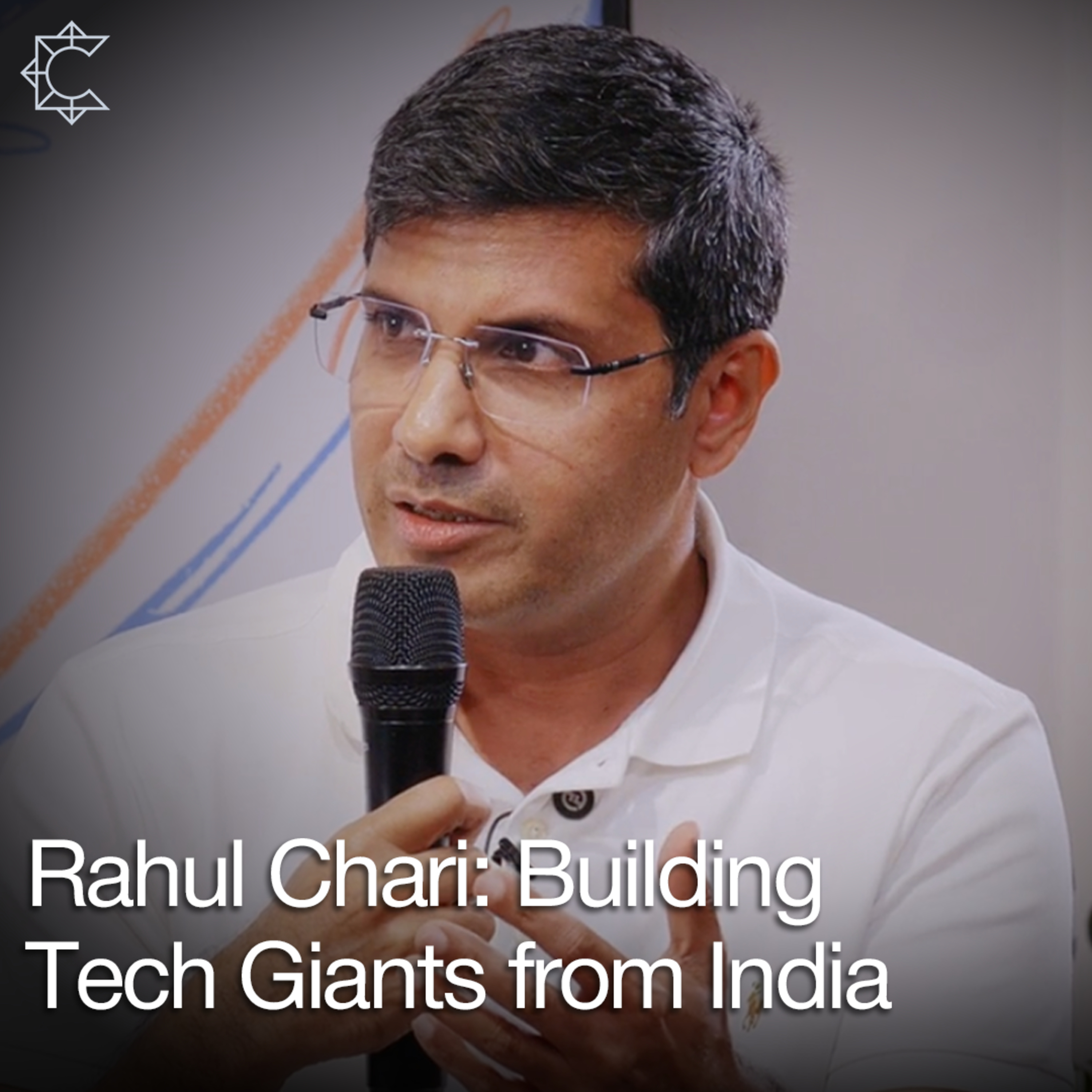
Recoiling from Flipkart's complex leveling system (which spawned an "SD 2.5" role), PhonePe's CTO implemented a flat hierarchy with minimal titles. This structure aims to focus engineers on impact and capability growth, rather than chasing promotions and labels.
Huang eschews traditional hierarchy, engaging directly with employees at all levels and delivering feedback publicly. This "parallel processing" management style ensures rapid, simultaneous learning across the organization, mirroring the architecture of the GPUs his company builds and creating a uniquely flat structure for a company of its size.

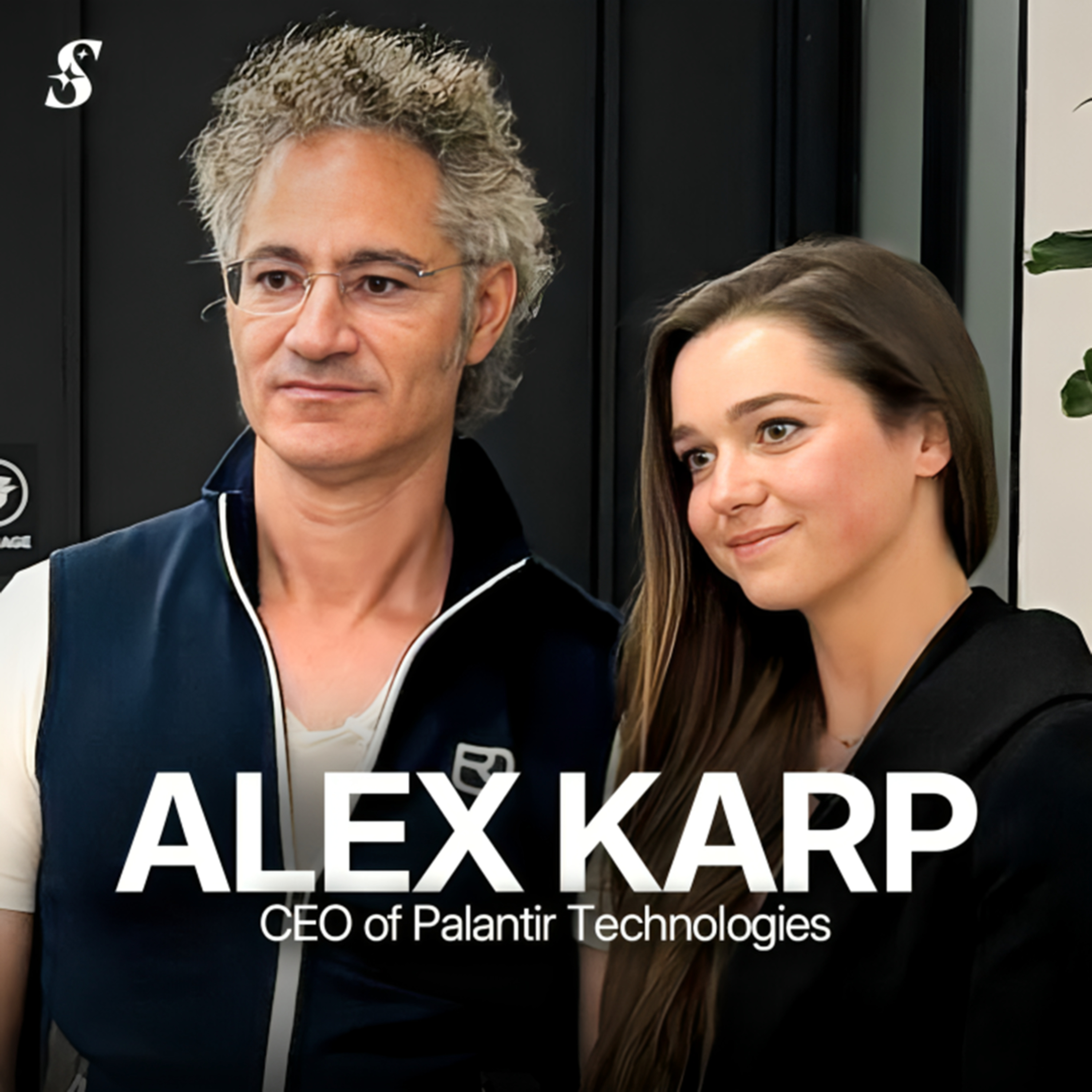
A company's rate of aging is directly correlated with its layers of hierarchy. By maintaining a very flat structure, 20-year-old Palantir "anti-ages," retaining the fresh, agile vibe and rapid decision-making of a young startup while possessing the scale and knowledge of a mature company.
The exponential increase in individual output from AI tools negates the need for traditional, multi-layered management structures. Cash App flattened its design org to just three layers from the CEO, enabling faster decision-making and adaptation to rapid technological change.

Jensen Huang maintains an extremely flat organization with around 60 direct reports and no one-on-one meetings. This unconventional structure is designed to accelerate information travel, empower senior leaders, and weed out those who can't operate without direct guidance.

By keeping the engineering team small and flat, Method Security minimizes communication nodes. This structure allows them to ship features incredibly fast and remain creatively generative, which they see as a significant competitive advantage in the early stages.

Musk's approach is radical de-layering. He avoids the 'compounding lies' of middle management by going to the source of truth: the engineers. He identifies the week's biggest bottleneck and works directly with the relevant engineer to solve it, creating unparalleled problem-solving velocity.