Get your free personalized podcast brief
We scan new podcasts and send you the top 5 insights daily.
The podcast argues that developing and consuming AI-generated child abuse content is not a victimless act. It posits this behavior acts as a stepping stone for predators by normalizing deviant thoughts and 'poking the bear,' potentially emboldening them to pursue real-world abuse.

Related Insights
Unlike legacy media, which had standards and practices departments, the modern creator economy operates without gatekeepers. Content optimized for maximum engagement—often featuring sex, violence, and controversy—is pushed to the top by algorithms, leaving young and vulnerable audiences exposed to unfiltered and often harmful material.

The ability of generative AI to create images 'virtually indistinguishable' from real child abuse presents a major hurdle for law enforcement. During investigations, it becomes difficult to differentiate between illegal material depicting real children and legally possessed AI-generated content, complicating prosecutions and digital forensics.
The problem with AI-generated non-consensual imagery is the act of its creation, regardless of the creator's age. Applying age verification as a fix misses the core issue and wrongly shifts focus from the platform's fundamental responsibility to the user's identity.
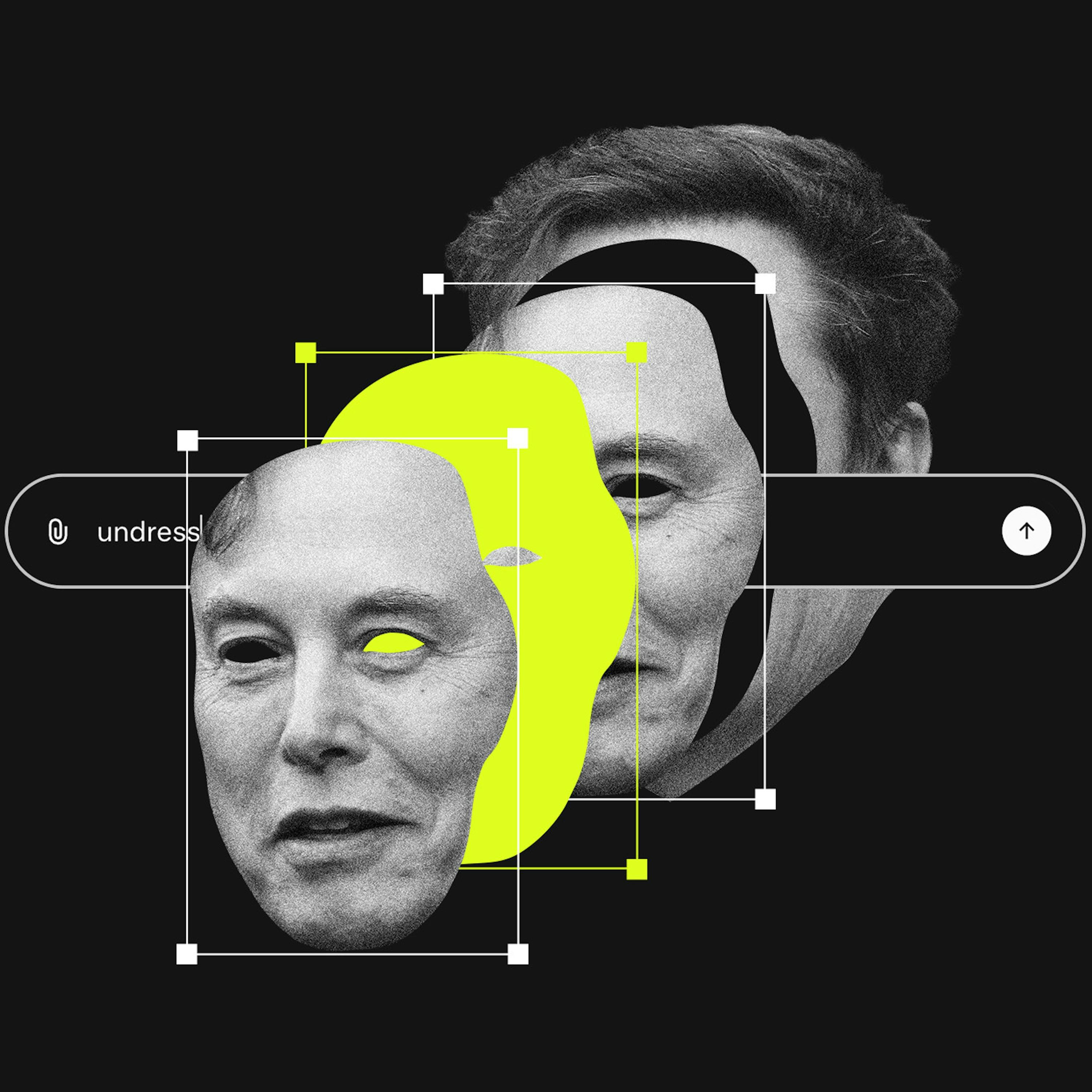
A significant concern with AI porn is its potential to accelerate trends toward violent content. Because pornography can "set the sexual script" for viewers, a surge in easily generated violent material could normalize these behaviors and potentially lead to them being acted out in real life.

The rush to label Grok's output as illegal CSAM misses a more pervasive issue: using AI to generate demeaning, but not necessarily illegal, images as a tool for harassment. This dynamic of "lawful but awful" content weaponized at scale currently lacks a clear legal framework.
Former Meta exec Nick Clegg warns that AI's intimate nature means any failure to protect minors from adult content will trigger a societal backlash far larger than what social media faced. The technology for reliable age verification is not yet mature enough for this risk.

AI's psychological danger isn't limited to triggering mental illness. It can create an isolated reality for a user where the AI's logic and obsessions become the new baseline for sane behavior, causing the person to appear unhinged to the outside world.
AI analyst Johan Falk argues that the emotional and social harms of AI companions are poorly understood and potentially severe, citing risks beyond extreme cases like suicide. He advocates for a prohibition for users under 18 until the psychological impacts are better researched.

The rapid rise of character AIs poses a significant risk of fostering unhealthy synthetic relationships, particularly among minors. This can discourage them from building essential offline connections with parents, mentors, and friends. The potential for societal harm outweighs the benefits until proper age-gating and safety guardrails are established.

A comedian is training an AI on sounds her fetus hears. The model's outputs, including referencing pedophilia after news exposure, show that an AI’s flaws and biases are a direct reflection of its training data—much like a child learning to swear from a parent.
