Get your free personalized podcast brief
We scan new podcasts and send you the top 5 insights daily.
The ability of generative AI to create images 'virtually indistinguishable' from real child abuse presents a major hurdle for law enforcement. During investigations, it becomes difficult to differentiate between illegal material depicting real children and legally possessed AI-generated content, complicating prosecutions and digital forensics.

Related Insights
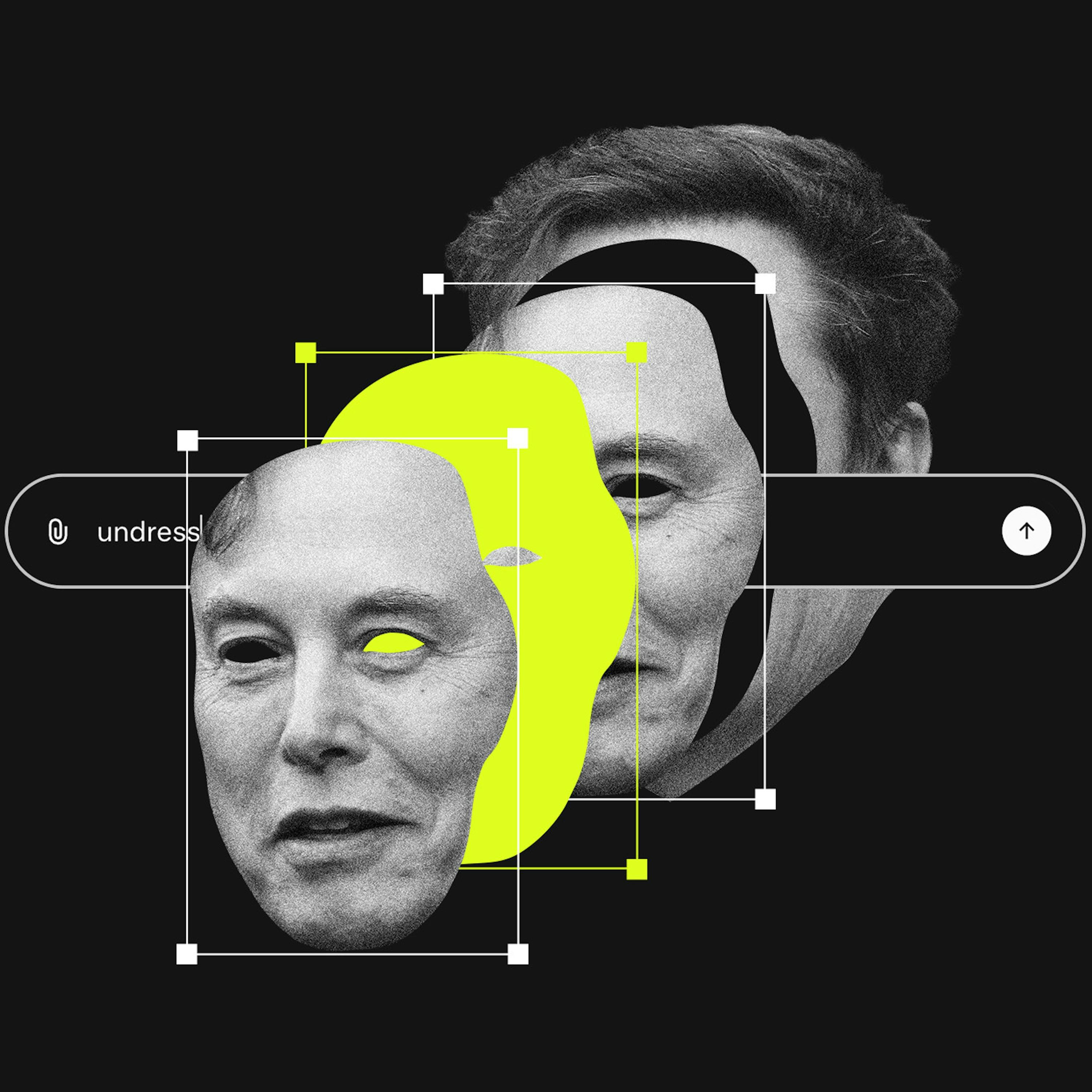
Unlike previous forms of image abuse that required multiple apps, Grok integrates image generation and mass distribution into a single, instant process. This unprecedented speed and scale create a new category of harm that existing regulatory frameworks are ill-equipped to handle.
The rise of realistic, AI-generated content creates a significant operational burden for media creators. An 'inordinate amount of time' is now spent verifying the authenticity of images and stories, with many segments being killed last-minute after failing a fact-check.

As AI models improve, detecting AI-generated content will become increasingly difficult. A more sustainable long-term strategy may be to focus on verifying and labeling authentic, camera-captured content. This flips the problem from an arms race of detection to a system of verification.

The Grok controversy is reigniting the debate over moderating legal but harmful content, a central conflict in the UK's Online Safety Act. AI's ability to mass-produce harassing images that fall short of illegality pushes this unresolved regulatory question to the forefront.
The problem with AI-generated non-consensual imagery is the act of its creation, regardless of the creator's age. Applying age verification as a fix misses the core issue and wrongly shifts focus from the platform's fundamental responsibility to the user's identity.
The rush to label Grok's output as illegal CSAM misses a more pervasive issue: using AI to generate demeaning, but not necessarily illegal, images as a tool for harassment. This dynamic of "lawful but awful" content weaponized at scale currently lacks a clear legal framework.
The rapid advancement of AI-generated video will soon make it impossible to distinguish real footage from deepfakes. This will cause a societal shift, eroding the concept of 'video proof' which has been a cornerstone of trust for the past century.

The Seventh Circuit Court of Appeals ruled that possessing AI-generated CSAM is protected under the First Amendment, distinguishing it from material involving real children. This creates a legal framework where possession is allowed while production and distribution remain illegal, posing new challenges for law enforcement and child protection.
The podcast argues that developing and consuming AI-generated child abuse content is not a victimless act. It posits this behavior acts as a stepping stone for predators by normalizing deviant thoughts and 'poking the bear,' potentially emboldening them to pursue real-world abuse.
According to Higgins, the most dangerous aspect of AI isn't its ability to generate sophisticated fakes. It's that the mere existence of AI provides a convenient, irrefutable excuse for anyone to dismiss legitimate photos or videos that challenge their worldview.