Get your free personalized podcast brief
We scan new podcasts and send you the top 5 insights daily.
Unlike legacy media, which had standards and practices departments, the modern creator economy operates without gatekeepers. Content optimized for maximum engagement—often featuring sex, violence, and controversy—is pushed to the top by algorithms, leaving young and vulnerable audiences exposed to unfiltered and often harmful material.

Related Insights
YouTube's content rules change weekly without warning. A sudden demonetization or age-restriction can cripple an episode's reach after it's published, highlighting the significant platform risk creators face when distribution is controlled by a third party with unclear policies.

A significant concern with AI porn is its potential to accelerate trends toward violent content. Because pornography can "set the sexual script" for viewers, a surge in easily generated violent material could normalize these behaviors and potentially lead to them being acted out in real life.

The creator economy's foundation is unstable because platforms don't pay sustainable wages, forcing creators into brand-deal dependency. This system is vulnerable to advertisers adopting stricter metrics and the rise of cheap AI content, which will squeeze creator earnings and threaten the viability of the creator "middle class."

Former Meta exec Nick Clegg warns that AI's intimate nature means any failure to protect minors from adult content will trigger a societal backlash far larger than what social media faced. The technology for reliable age verification is not yet mature enough for this risk.

Influencers are shaped by algorithmic rewards just as much as their audience. The continuous feedback loop from live chats and engagement metrics pressures creators to escalate their behavior and statements, blurring the line between their authentic self and the persona the algorithm favors, leading to existential burnout.
As major platforms abdicate trust and safety responsibilities, demand grows for user-centric solutions. This fuels interest in decentralized networks and "middleware" that empower communities to set their own content standards, a move away from centralized, top-down platform moderation.
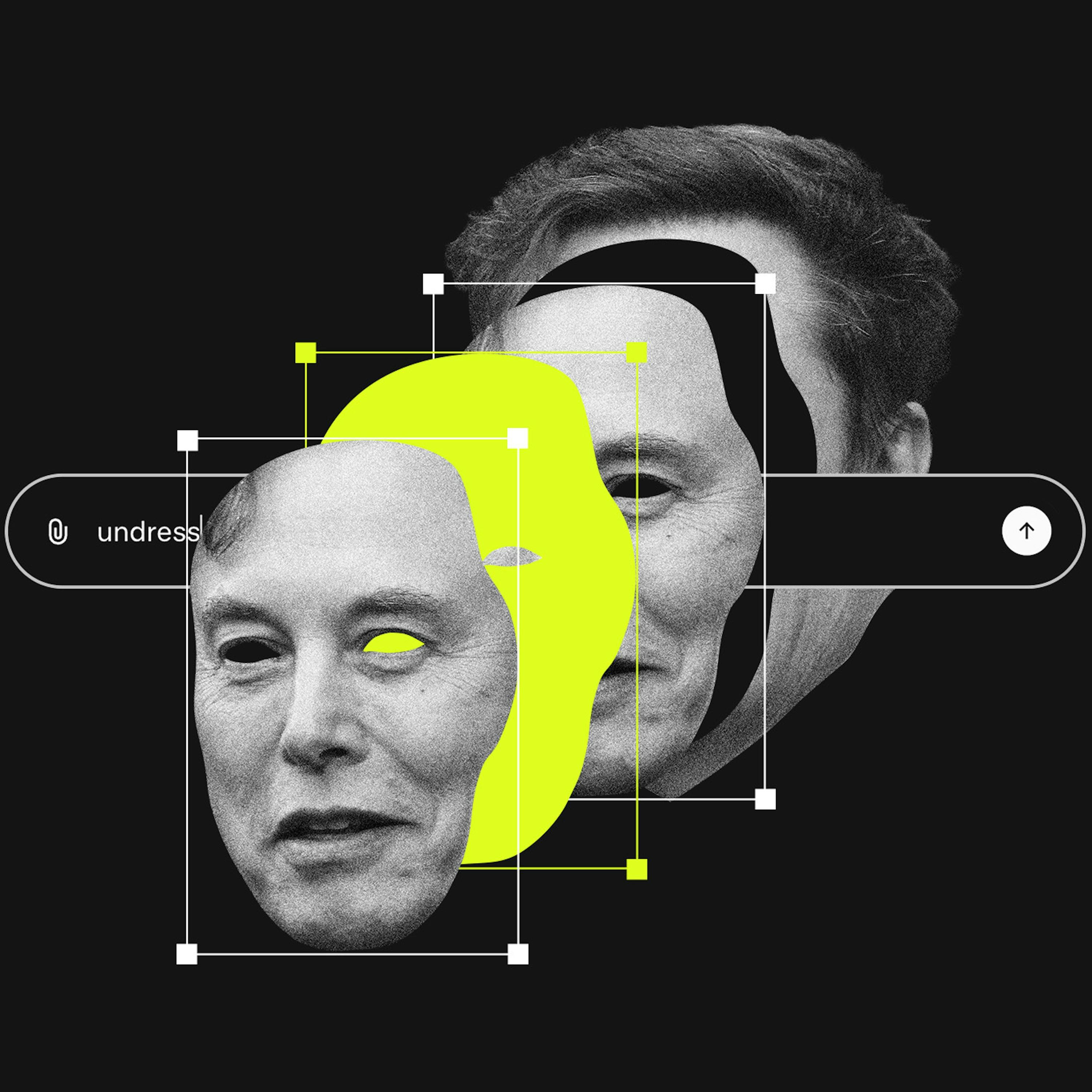
Extremist figures are not organic phenomena but are actively amplified by social media algorithms that prioritize incendiary content for engagement. This process elevates noxious ideas far beyond their natural reach, effectively manufacturing influence for profit and normalizing extremism.
Unlike other platforms, xAI's issues were not an unforeseen accident but a predictable result of its explicit strategy to embrace sexualized content. Features like a "spicy mode" and Elon Musk's own posts created a corporate culture that prioritized engagement from provocative content over implementing robust safeguards against its misuse for generating illegal material.

The 20th-century broadcast economy monetized aspiration and sex appeal to sell products. Today's algorithm-driven digital economy has discovered that rage is a far more potent and profitable tool for capturing attention and maximizing engagement.

Creators face a conflict between generating viral, drama-filled content that algorithms favor and maintaining the authentic persona that attracted their loyal audience. This forces a tradeoff between short-term metrics and long-term trust, with financial pressures often pushing them toward drama.
