Get your free personalized podcast brief
We scan new podcasts and send you the top 5 insights daily.
While manufacturers hid that their toilet paper was recycled (associating it with low quality), Seventh Generation insisted on printing "Made with 100% Recycled Paper" on the packaging. They successfully turned a perceived negative into a badge of honor for eco-conscious consumers.

Related Insights
In the 1980s, Seventh Generation's founder learned that environmentalism alone wasn't a strong enough selling point. He successfully marketed products like water-saving showerheads by first emphasizing the economic benefit to the customer ("you'd save money") before mentioning the environmental gain.
Address customer objections by positioning the solution as part of a larger, aspirational lifestyle. For luxury kids' clothes prone to stains, teaching parents to use natural cleaners (vinegar) repositions a high-maintenance product as part of a conscious, healthier, "slower" lifestyle.
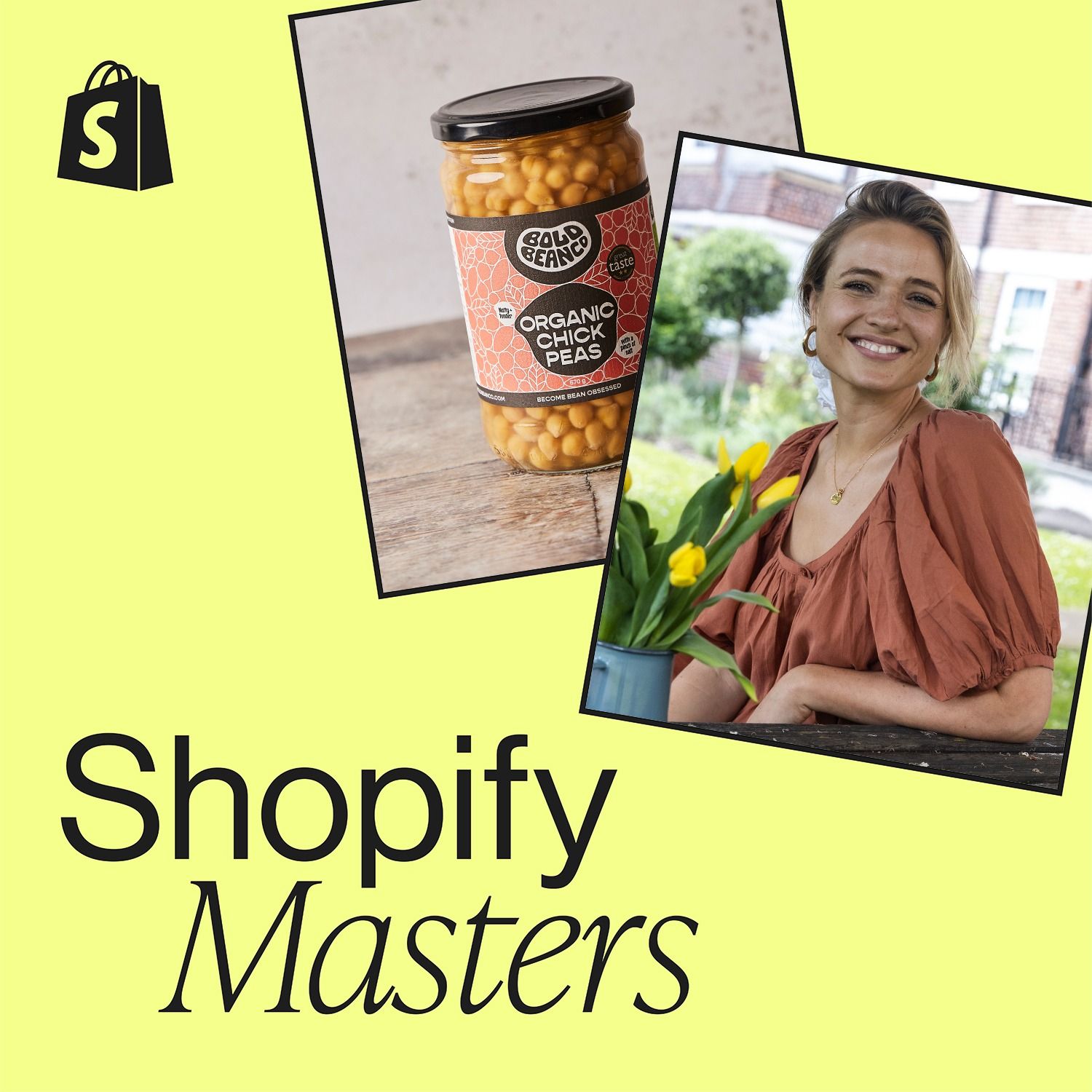
The brand used clear glass jars, initially a byproduct of a superior cooking method, to showcase the beans' quality. This transparency shifted consumer perception from a hidden pantry staple to a premium, display-worthy ingredient, justifying a higher price point.
Consumers are aware of "enshittification"—where products worsen after capturing a market. A powerful marketing strategy is to actively campaign on the promise of not doing this. By highlighting a commitment to maintaining quality and customer experience, a brand can build immense trust and loyalty.

Packaging can be more than a container; it can be a feature that adds value and novelty. For a CPG brand, this could mean including unique messages, poems, or even personalized fortunes on wrappers, creating a small moment of delight that enhances the customer experience and brand story.
Seventh Generation's co-founder admits that many eco-friendly products, like their disposable diapers, merely reduce negative environmental impact rather than eliminating it. He argues the industry needs a "sustainability 2.0" focused on reusable and zero-waste solutions.
Consumers are trained by food packaging to look for simple, bold 'macros' (e.g., '7g Protein,' 'Gluten-Free'). Applying this concept to non-food items by clearly stating key attributes ('Chemical-Free,' 'Plant-Based') on the packaging can rapidly educate consumers at the point of purchase and differentiate the product.
Environmentally friendly products often fail to gain mass adoption based on their eco-credentials alone. To break through, they should emulate brands like Tesla and Method Soap by focusing on superior design and branding to become desirable, elevated products that also happen to be sustainable.
Driscoll's had been discarding its best-tasting berries because they were too delicate for the standard supply chain. By reframing this flaw, they created a premium product line, charged more, and met a hidden consumer demand for superior flavor.

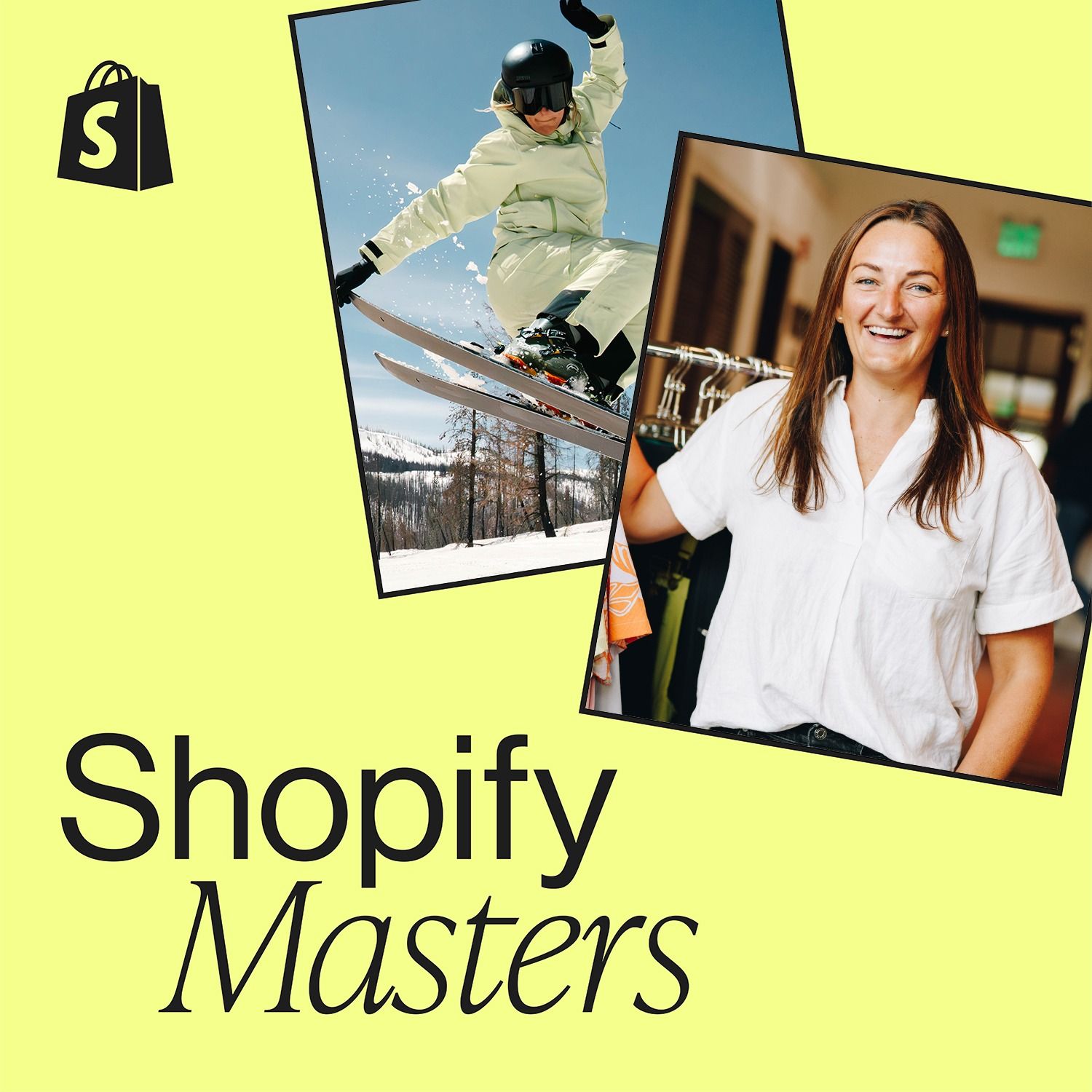
Instead of just listing sustainable features, Wild Rye makes them relatable. To market a ski jacket made from recycled fishing nets, they featured a sponsored athlete who is a commercial fisherwoman in the summer. This created an authentic story that connected the product feature to a real person, making it more tangible and emotionally resonant.