Get your free personalized podcast brief
We scan new podcasts and send you the top 5 insights daily.
Address customer objections by positioning the solution as part of a larger, aspirational lifestyle. For luxury kids' clothes prone to stains, teaching parents to use natural cleaners (vinegar) repositions a high-maintenance product as part of a conscious, healthier, "slower" lifestyle.

Related Insights
Go beyond product benefits and offer customers a new version of themselves. By framing your offer as a transformation into a desirable identity (e.g., 'a confident business owner' or 'the master of your house'), you create a powerful emotional pull.

When a product requires more user effort than competitors, frame that effort as a core benefit. For a complex baking kit, the longer prep time becomes a feature—an intentional 'flavor journey' and a chance to slow down, turning a potential negative into a premium experience.
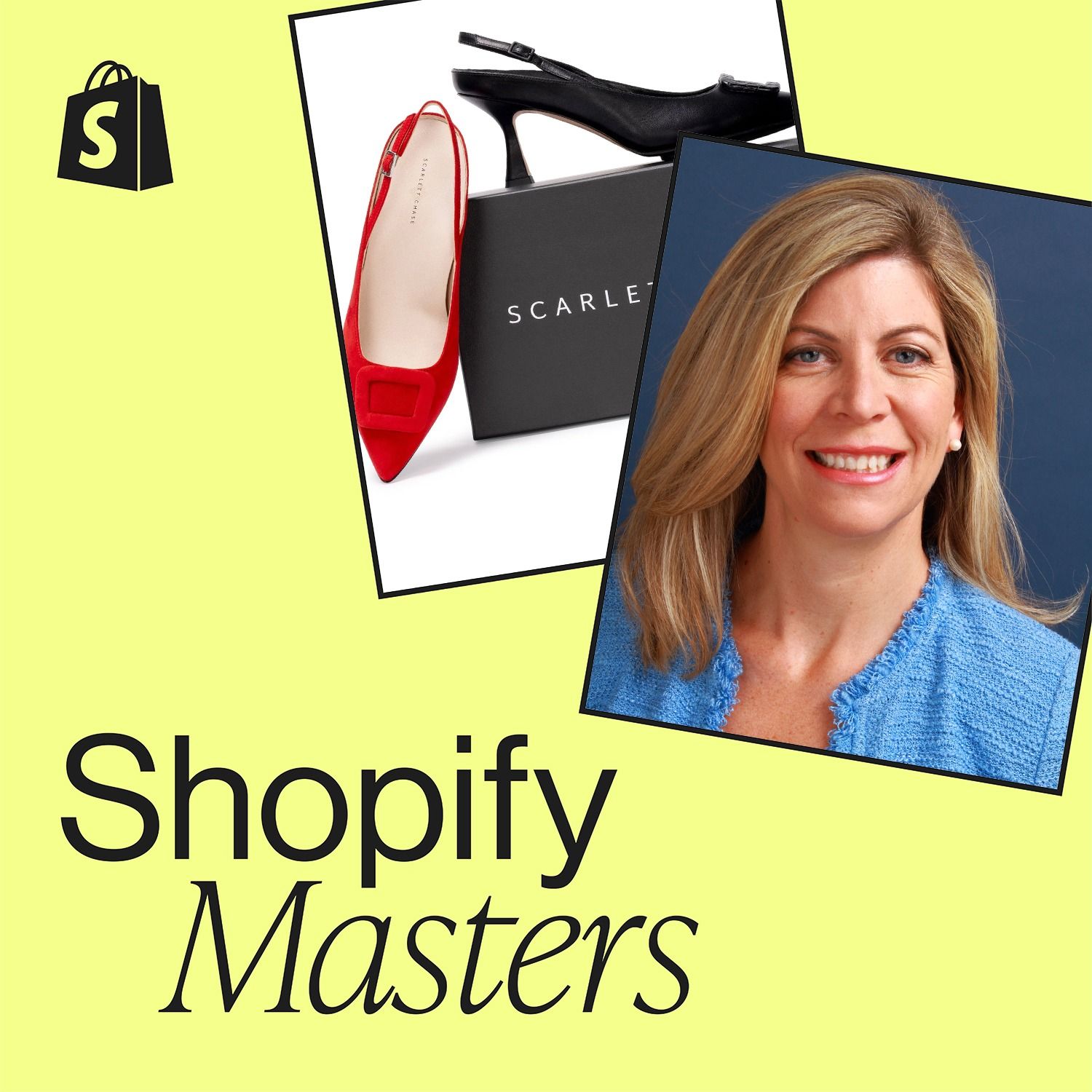
The founder reconciles the high price of her luxury shoes by positioning them as a solution that removes a major distraction for successful women. By eliminating foot pain, the shoes allow these high-impact individuals to focus their energy on more important work, making the product an investment in their overall effectiveness.
Customers rarely buy a tool to solve an obvious functional problem. They buy a solution for a primary, often emotional, problem. A UI/UX agency doesn't sell redesigns; it sells the reassurance of "looking modern so you don't look like you're going out of business." This reframing is key to effective marketing.

For natural products with inherent 'flaws' like liquid separation, a better strategy than using unnatural additives is to proactively educate customers. Use packaging and marketing to frame the flaw as an expected, natural occurrence, thereby preserving product integrity while managing customer expectations.

A perceived product flaw can be a primary value proposition for a different type of customer. For example, a diffuse global audience, useless to local venues, becomes a powerful asset for organizations aiming for international reach, unlocking a new market.

The founder of Billy Bob's Teeth, a gag gift, reframed his product as a "permission slip for people to be silly." This strategy gives a trivial product a deeper, more compelling purpose by connecting it to a fundamental human desire. This elevates the brand and makes the product more than just a novelty item.

Directly labeling a product as 'wellness' can feel like an obligation. Instead, frame the marketing around the joyful feeling the product creates, like 'unlocking creativity.' This reframes the product from a chore into a desirable, positive experience.
To overcome price objections for a premium product in a commodity category, reframe the value proposition. Instead of selling "expensive socks," Tick Socks should sell "a summer's worth of protection" from tick-borne illnesses. This shifts the customer's focus from the item's cost to the invaluable peace of mind it provides.
Makor Coffee's blend brews slowly, which risks alienating users. The insight is to position this "flaw" as an intentional feature for enthusiasts who value maximum potency, while creating a separate, faster-brewing version for the mass market or office use.