Get your free personalized podcast brief
We scan new podcasts and send you the top 5 insights daily.
Seventh Generation's co-founder admits that many eco-friendly products, like their disposable diapers, merely reduce negative environmental impact rather than eliminating it. He argues the industry needs a "sustainability 2.0" focused on reusable and zero-waste solutions.

Related Insights
People focus their environmental efforts on highly visible but low-impact items like plastic bags and recycling. The climate and environmental impact of the food products they purchase—particularly meat—is orders of magnitude greater. This reveals a massive misallocation of public concern and effort.

In the 1980s, Seventh Generation's founder learned that environmentalism alone wasn't a strong enough selling point. He successfully marketed products like water-saving showerheads by first emphasizing the economic benefit to the customer ("you'd save money") before mentioning the environmental gain.
Recycling is often the most difficult, polluting, and energy-intensive way to extend a product's life. The environmental hierarchy should be "Reduce, Reuse, Recycle," yet we default to recycling first. Refurbishing and repairing products is far more efficient, cheaper, and better for the planet.

Consumerism is driven not by buying, but by buying low-quality items that fail and are discarded. The solution is creating superior, durable products that solve a user's problem permanently, eliminating the need for replacement.
Environmentally friendly products often fail to gain mass adoption based on their eco-credentials alone. To break through, they should emulate brands like Tesla and Method Soap by focusing on superior design and branding to become desirable, elevated products that also happen to be sustainable.
True brand leadership in sustainability involves being proactive, not reactive. Instead of waiting for consumer demand or government regulations to force change, innovate ahead of the curve by developing environmentally friendly products and processes from the start.

Companies continue sustainability and diversity efforts for their business benefits but avoid publicizing them due to political risks, a practice Seventh Generation's cofounder calls "green hushing."
The marketing appeal of "eco-friendly" may be waning. For a brand like Siblings refillable candles, a more powerful angle is to position the product as a form of modern luxury: owning fewer, higher-quality, permanent items. This shifts the focus from environmental obligation to aspirational lifestyle and superior design.
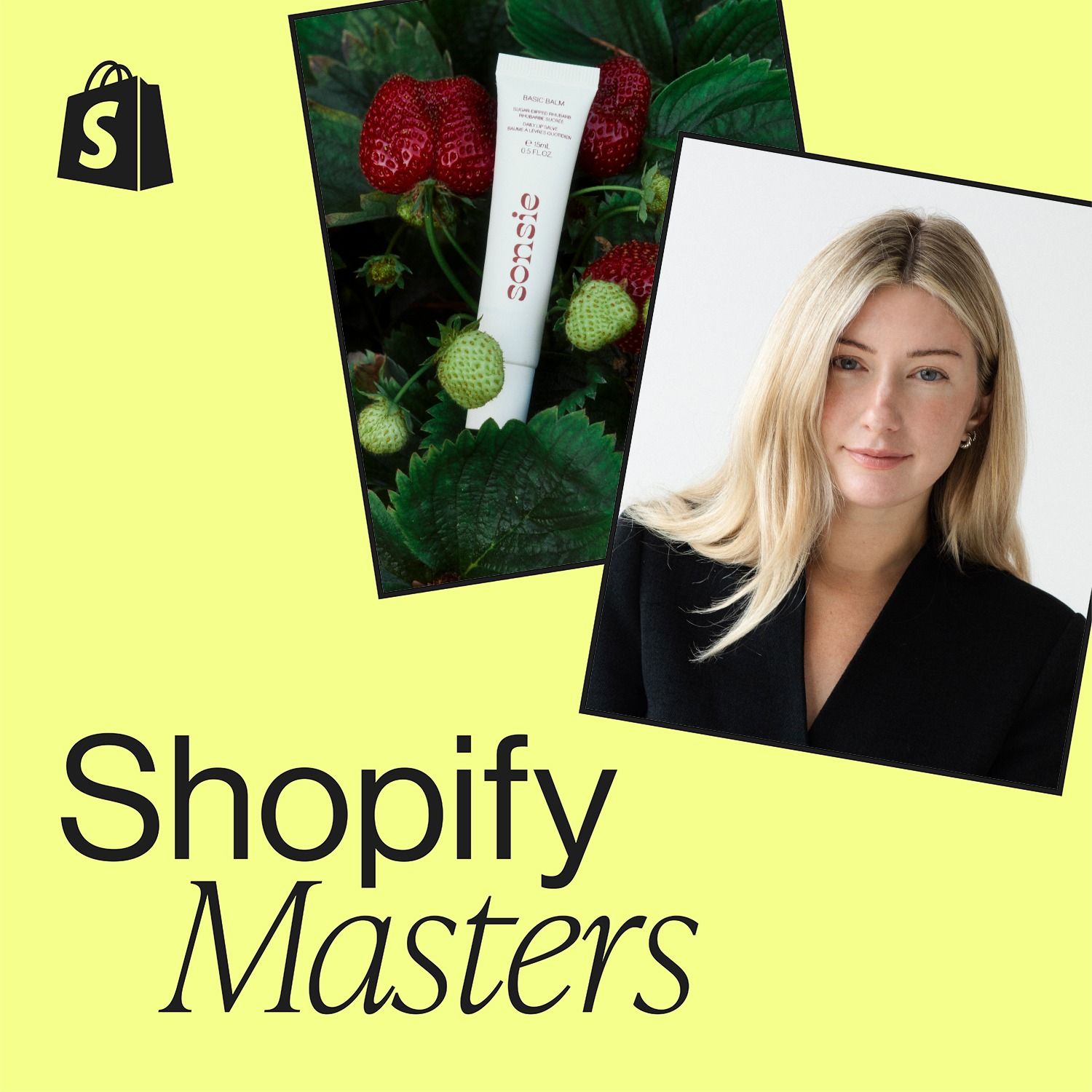
Game-changing sustainable materials, like Sonsie's at-home compostable packaging, already exist. The primary barrier to mainstream use isn't a lack of innovation but slow adoption by brands. Widespread adoption is required to increase manufacturing volume, drive down costs, and make sustainability the standard.
While manufacturers hid that their toilet paper was recycled (associating it with low quality), Seventh Generation insisted on printing "Made with 100% Recycled Paper" on the packaging. They successfully turned a perceived negative into a badge of honor for eco-conscious consumers.