Get your free personalized podcast brief
We scan new podcasts and send you the top 5 insights daily.
Author Mike Perry's first $1000 freelance check was invested on a friend's advice. Even though it was years before he could add to it, this single act created a foundation of financial security that enabled him to continue making art without constant money worries.
Related Insights
Author Mike Perry, though shy, adopted Mark Twain's strategy of using paid speaking engagements to supplement unpredictable book income. This has become one of his most reliable revenue streams, offering a practical financial model for artists and writers.
By achieving financial independence, creators can treat passion projects as pure art, free from the pressure of immediate ROI. This artistic integrity often becomes its own best marketing, attracting bigger opportunities and paradoxically leading to greater commercial success down the line.

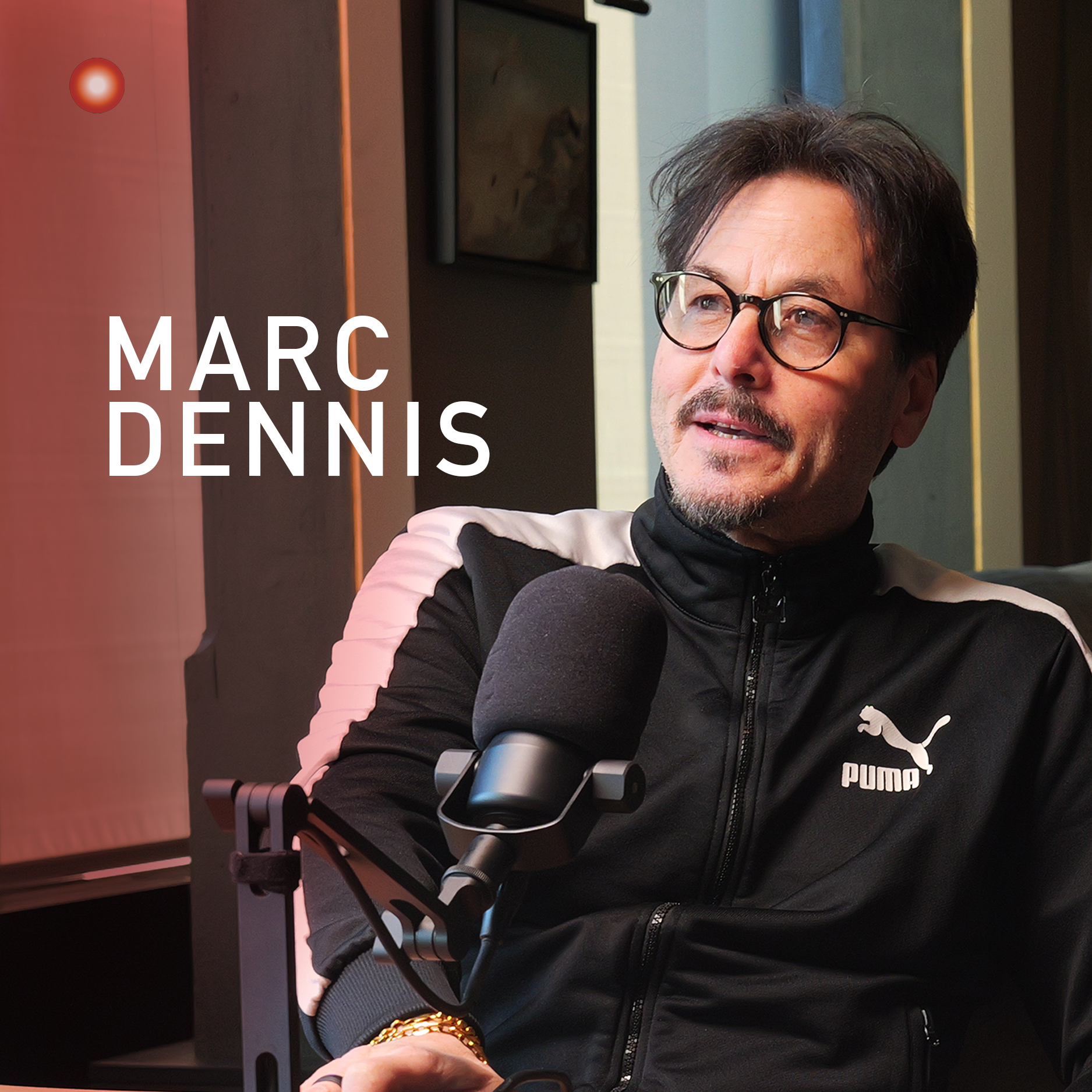
Artist Marc Dennis's career truly took off only after he resigned from a tenured professorship. By removing the security of a "Plan B" and going "all in" on being a full-time artist, he created the necessary pressure and focus to achieve breakthrough professional success.
Frame your initial angel investments as a sunk cost, like business school tuition. Instead of optimizing for immediate financial returns, focus on building relationships, acquiring skills, and developing a strong reputation. This long-term mindset reduces pressure and leads to better, unforeseen opportunities down the line.
Guided by a financial advisor, news anchor Daren Kagan saved two-thirds of her half-million-dollar salary. This aggressive savings strategy meant that when she was let go from CNN, she had enough capital to fund her next venture without financial stress, turning a crisis into an opportunity.

Stuart Shuffman advises creatives to keep at least one regular shift at a day or night job. This provides crucial financial stability when creative income is volatile and offers a structured way to stay connected to the outside world, preventing creative burnout and isolation.

The financial gain from compounding small amounts saved as a teenager is often negligible decades later. The real, invaluable return is the formation of a disciplined savings habit that provides financial security and pays dividends throughout adulthood.

Instead of seeking a soul-fulfilling first venture, focus on a business that pays the bills. This practical approach builds skills and provides capital to pursue your true passion later, without the pressure of monetization.

There's a fundamental irony in creative careers: to succeed professionally, artists must often master the very business skills they initially disdained. The passion for the art form—be it drumming or painting—is not enough. A sustainable career is built upon learning marketing, finance, and management, effectively turning the artist into an entrepreneur to support their own creative output.
The statistical likelihood that your passion aligns with a profitable venture from day one is almost zero. Instead, build a passion for commerce itself. Generate "sweaty, ugly income" first to create the financial freedom to pursue what you truly love later.
