Get your free personalized podcast brief
We scan new podcasts and send you the top 5 insights daily.
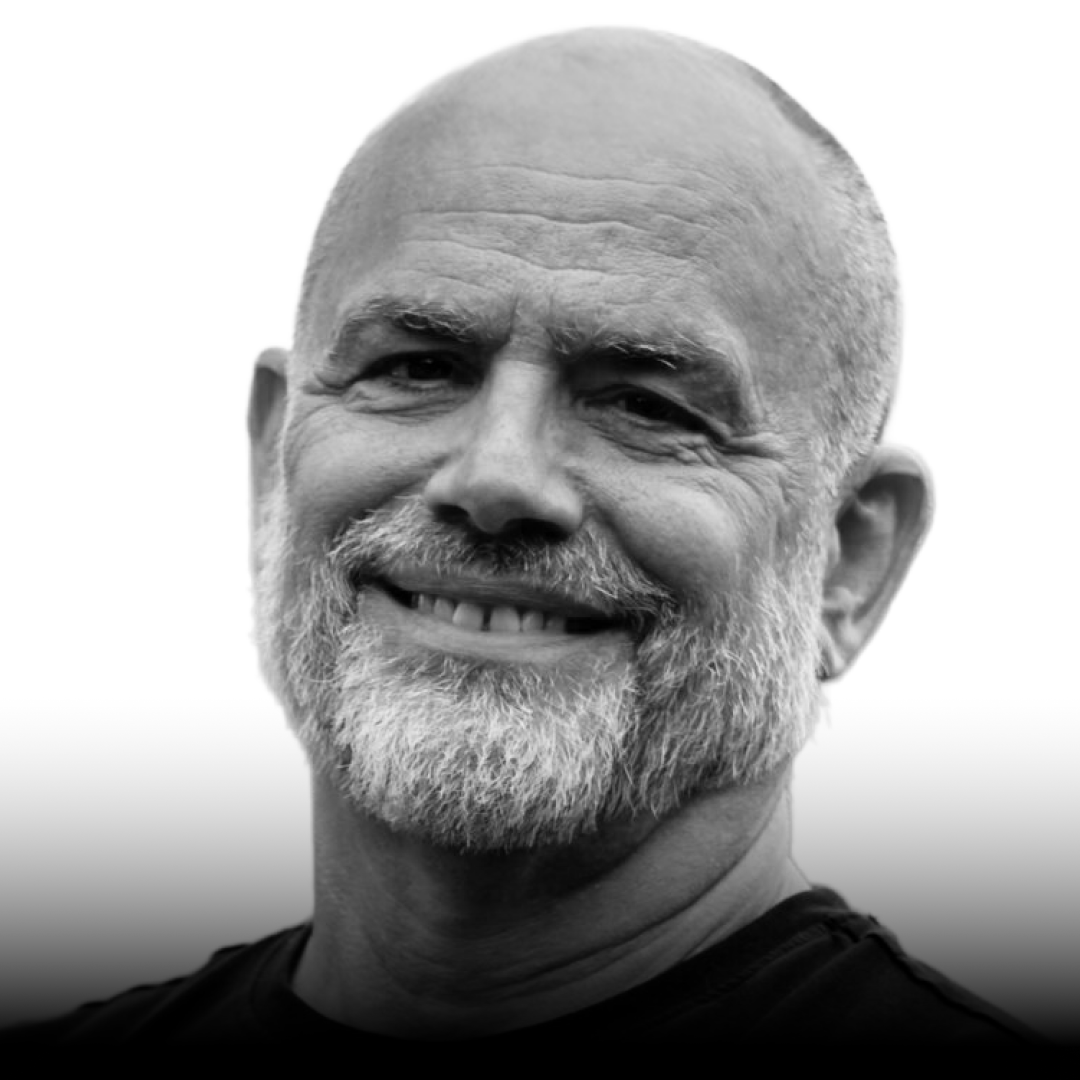
Author Mike Perry, though shy, adopted Mark Twain's strategy of using paid speaking engagements to supplement unpredictable book income. This has become one of his most reliable revenue streams, offering a practical financial model for artists and writers.
Related Insights
By achieving financial independence, creators can treat passion projects as pure art, free from the pressure of immediate ROI. This artistic integrity often becomes its own best marketing, attracting bigger opportunities and paradoxically leading to greater commercial success down the line.

When you've built an audience on pure authenticity and haven't yet monetized, the first 'ask' is daunting. The best approach is to 'break the fourth wall.' Create content explicitly asking your community how and if you should monetize. This makes them co-creators in your business, preserving trust.

Instead of relying on unpredictable subscription revenue, intellectuals and academics should leverage their skills for high-value consulting with tech startups. This creates a sustainable economic base to pursue long-term, independent research and writing, mirroring historical patronage models.

By selling your personal time at a premium to one client, you can cover your personal living expenses. This frees up 100% of the business's revenue for reinvestment, dramatically accelerating growth without needing external capital. It's a key bootstrapping strategy.

Stuart Shuffman advises creatives to keep at least one regular shift at a day or night job. This provides crucial financial stability when creative income is volatile and offers a structured way to stay connected to the outside world, preventing creative burnout and isolation.

Content creators can increase revenue by moving along a spectrum of monetization models, from low-risk affiliates and sponsorships to higher-risk, higher-reward options like white-labeling, taking equity in partner brands, and finally, owning their own product.
Relying on one signature offer or income stream is a high-risk strategy. A more sustainable approach is building a portfolio business with multiple, smaller streams—like a course, a membership, and affiliate income. This ecosystem creates stability, allowing the business to weather storms and reducing pressure on any single component.

There's a fundamental irony in creative careers: to succeed professionally, artists must often master the very business skills they initially disdained. The passion for the art form—be it drumming or painting—is not enough. A sustainable career is built upon learning marketing, finance, and management, effectively turning the artist into an entrepreneur to support their own creative output.
The modern creator economy prioritizes immediate monetization via ads or subscriptions. The older model of patronage—direct financial support from an individual without expectation of direct ROI—can liberate creators from chasing metrics, enabling them to focus on producing high-quality, meaningful work.
Author Mike Perry's first $1000 freelance check was invested on a friend's advice. Even though it was years before he could add to it, this single act created a foundation of financial security that enabled him to continue making art without constant money worries.