Get your free personalized podcast brief
We scan new podcasts and send you the top 5 insights daily.
Consumers determine value by comparing a product to similar items. Red Bull used a tall, thin, smaller can to differentiate itself from standard, cheaper sodas. By changing the "comparison set," they broke the expected price anchor and successfully commanded a much higher price point.

Related Insights
The Diet vs. Zero soda battle demonstrates that for quick, everyday purchases, consumers rely on surface-level cues. The branding and associated identity ("scarcity" vs "wellness") drive decisions more than the product's actual composition, which is often nearly identical. The label effectively becomes the product.

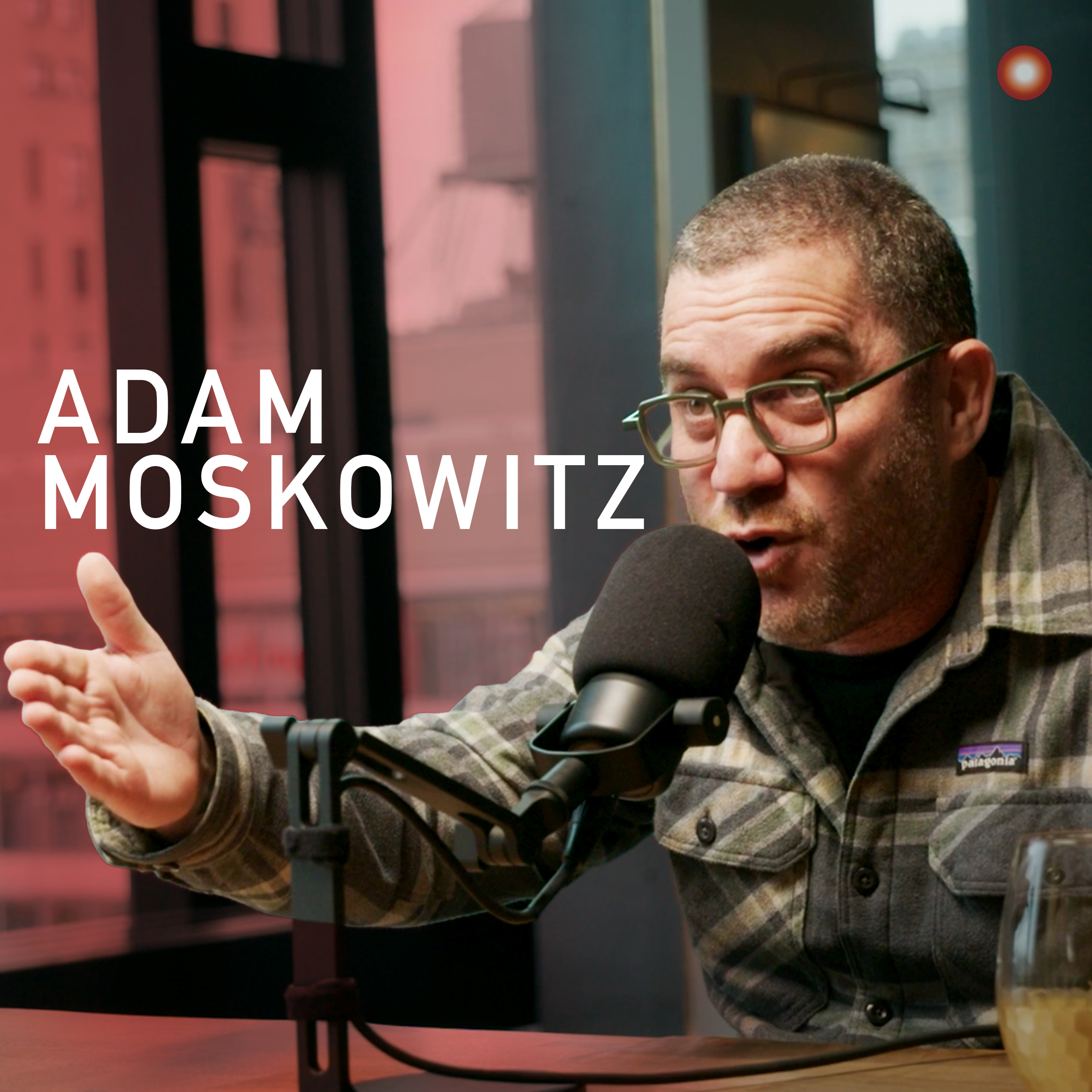
To combat price objections, artisan cheese expert Adam Moskowitz reframes his product not as expensive, but as valuable. The superior flavor-per-bite of quality cheese provides more intrinsic value than cheaper, mass-market alternatives that primarily offer a generic 'creamy' texture.
Consumers determine a fair price relatively, not absolutely, by comparing a product to others in its category. By launching in a tall, thin 250ml can instead of a standard 330ml can, Red Bull prevented a direct price comparison with cheaper sodas like Coke. This change in the 'mental comparison set' allowed it to establish a new, premium price point.

Consumers use price as a proxy for quality. In one study, people rated the same wine 70% higher when they thought it cost $45 versus $5. A premium price creates an expectation of a premium experience, which can become a self-fulfilling prophecy for the user.
Pricing power allows a brand to raise prices without losing customers, effectively fighting the economic principle that demand falls as price rises. This is achieved by creating a brand perception so strong that consumers believe there is no viable substitute.
When a new KFC premium product wasn't selling, they doubled the price instead of discounting it. This aligned the price with consumer expectations for a premium item, signaling quality and causing sales to soar. Low prices can imply low quality for high-end goods.

To make a high price seem reasonable, anchor it against a different, more expensive component of the customer's total budget that delivers less long-term value. For example, compare a $100k entertainment package to a $300k flower budget, arguing budget should align with memorability.

When entering the market, La Colombe's wholesale price was over five times the standard rate. They overcame price objections from chefs by reframing coffee not as a commodity beverage, but as a high-quality "spice," an essential ingredient where quality dictates the price.

Even if rarely purchased, a premium one-on-one offer serves as a powerful value anchor. Its high price tag transfers a degree of perceived value to your more accessible, scalable products. To work, you must confront the high price directly with prospects before offering a downsell.
Kroc convinced a partner to price a new milkshake at 12 cents instead of a simple dime. He correctly argued the slightly higher, less convenient price point would signal to customers that the product was special and worth more, differentiating it from ordinary drinks on the market.
![How McDonald’s Took Over America | Ray Kroc [Outliers] thumbnail](https://megaphone.imgix.net/podcasts/d0322c9e-fafe-11f0-9d3a-33cd8954a249/image/b6e608ebb74a48e538e9a5b28089e4e7.png?ixlib=rails-4.3.1&max-w=3000&max-h=3000&fit=crop&auto=format,compress)