Get your free personalized podcast brief
We scan new podcasts and send you the top 5 insights daily.
Kroc convinced a partner to price a new milkshake at 12 cents instead of a simple dime. He correctly argued the slightly higher, less convenient price point would signal to customers that the product was special and worth more, differentiating it from ordinary drinks on the market.
![How McDonald’s Took Over America | Ray Kroc [Outliers] thumbnail](https://megaphone.imgix.net/podcasts/d0322c9e-fafe-11f0-9d3a-33cd8954a249/image/b6e608ebb74a48e538e9a5b28089e4e7.png?ixlib=rails-4.3.1&max-w=3000&max-h=3000&fit=crop&auto=format,compress)
Related Insights
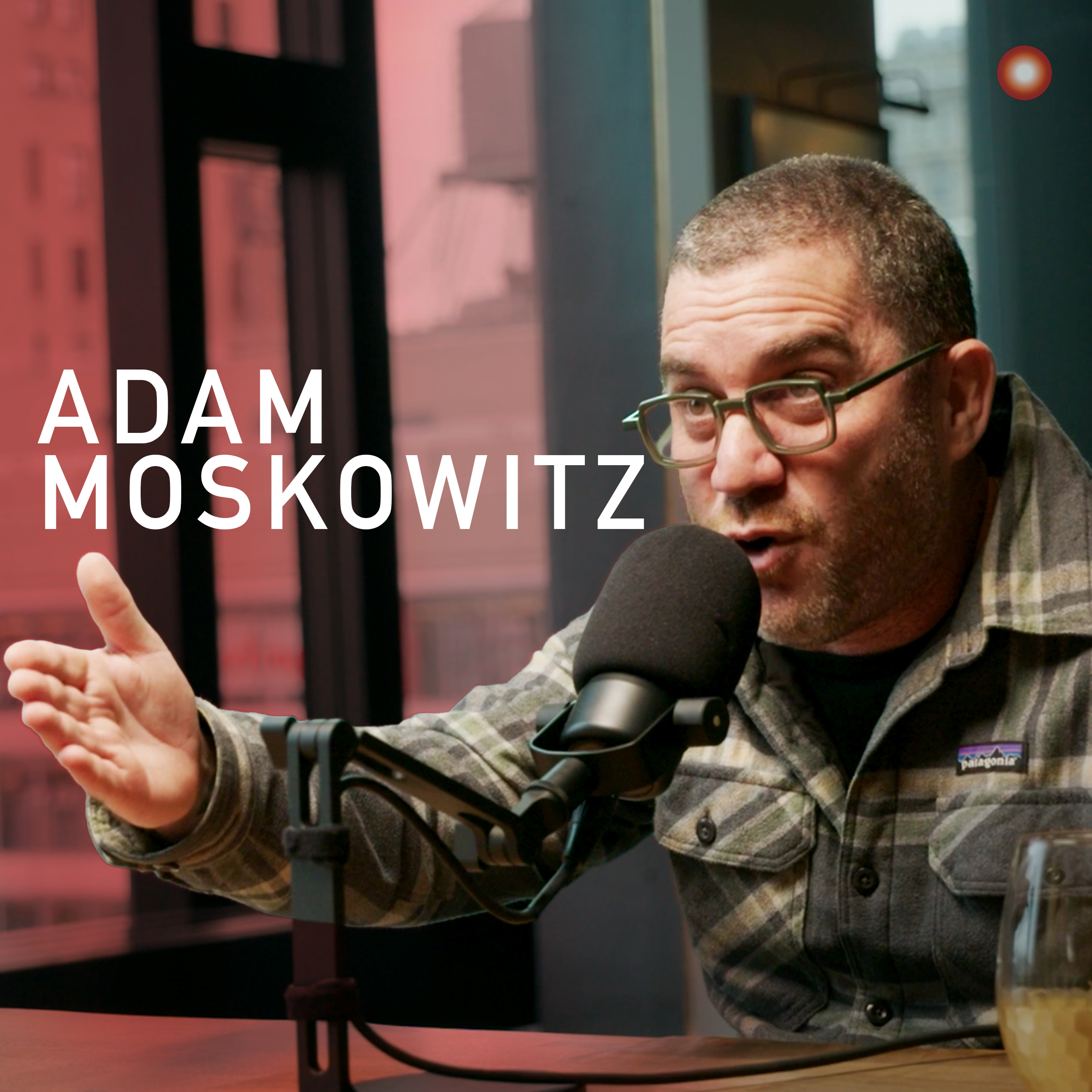
To combat price objections, artisan cheese expert Adam Moskowitz reframes his product not as expensive, but as valuable. The superior flavor-per-bite of quality cheese provides more intrinsic value than cheaper, mass-market alternatives that primarily offer a generic 'creamy' texture.
Struggling to get retail distribution, Carbone's pasta sauce doubled its price to $7-$11. This premium strategy transformed its pitch to retailers: instead of earning cents per jar, stores could now make over $2. This created a powerful financial incentive for retailers to stock the new, high-margin product.

The expectation set by a high price can literally change how a consumer experiences a product. In one study, the same wine was rated 70% better when participants believed it was expensive. This isn't just perception; it's a self-fulfilling prophecy where price dictates the perceived quality of the experience itself.

Consumers determine a fair price relatively, not absolutely, by comparing a product to others in its category. By launching in a tall, thin 250ml can instead of a standard 330ml can, Red Bull prevented a direct price comparison with cheaper sodas like Coke. This change in the 'mental comparison set' allowed it to establish a new, premium price point.

For luxury brands, raising prices is a strategic tool to enhance brand perception. Unlike mass-market goods where high prices deter buyers, in luxury, price hikes increase desirability and signal exclusivity. This reinforces the brand's elite status and makes it more coveted.
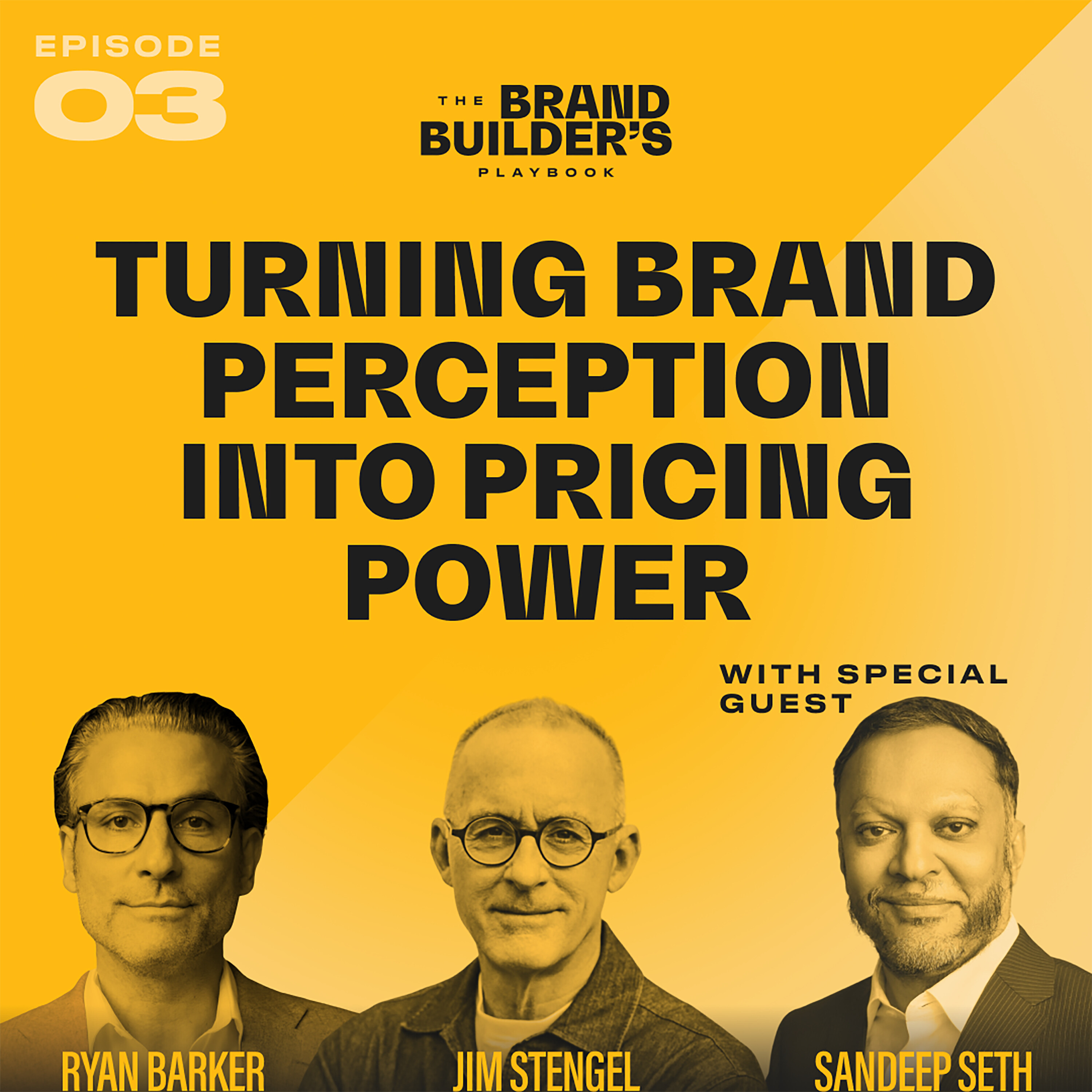
For luxury goods or services, pricing is a key signal of quality. A price point that is incongruent with luxury branding can make potential buyers skeptical and actually reduce close rates. Raising prices can increase desire and conversions by aligning perception with promise.

Consumers find prices more appealing when broken down into smaller increments, like a daily cost versus an annual fee. This 'pennies-a-day effect' can make the same price seem like a much better value because people struggle to abstract small, concrete costs into a larger total.
When a new KFC premium product wasn't selling, they doubled the price instead of discounting it. This aligned the price with consumer expectations for a premium item, signaling quality and causing sales to soar. Low prices can imply low quality for high-end goods.

Against his company's wishes, Kroc would tell restaurant owners to stock up on paper cups before a price increase. This prioritized the long-term relationship and built immense trust, proving he was on their side. It's a powerful lesson in choosing relationships over short-term transactional wins.
When entering the market, La Colombe's wholesale price was over five times the standard rate. They overcame price objections from chefs by reframing coffee not as a commodity beverage, but as a high-quality "spice," an essential ingredient where quality dictates the price.
