Get your free personalized podcast brief
We scan new podcasts and send you the top 5 insights daily.
Consumers use price as a proxy for quality. In one study, people rated the same wine 70% higher when they thought it cost $45 versus $5. A premium price creates an expectation of a premium experience, which can become a self-fulfilling prophecy for the user.

Related Insights
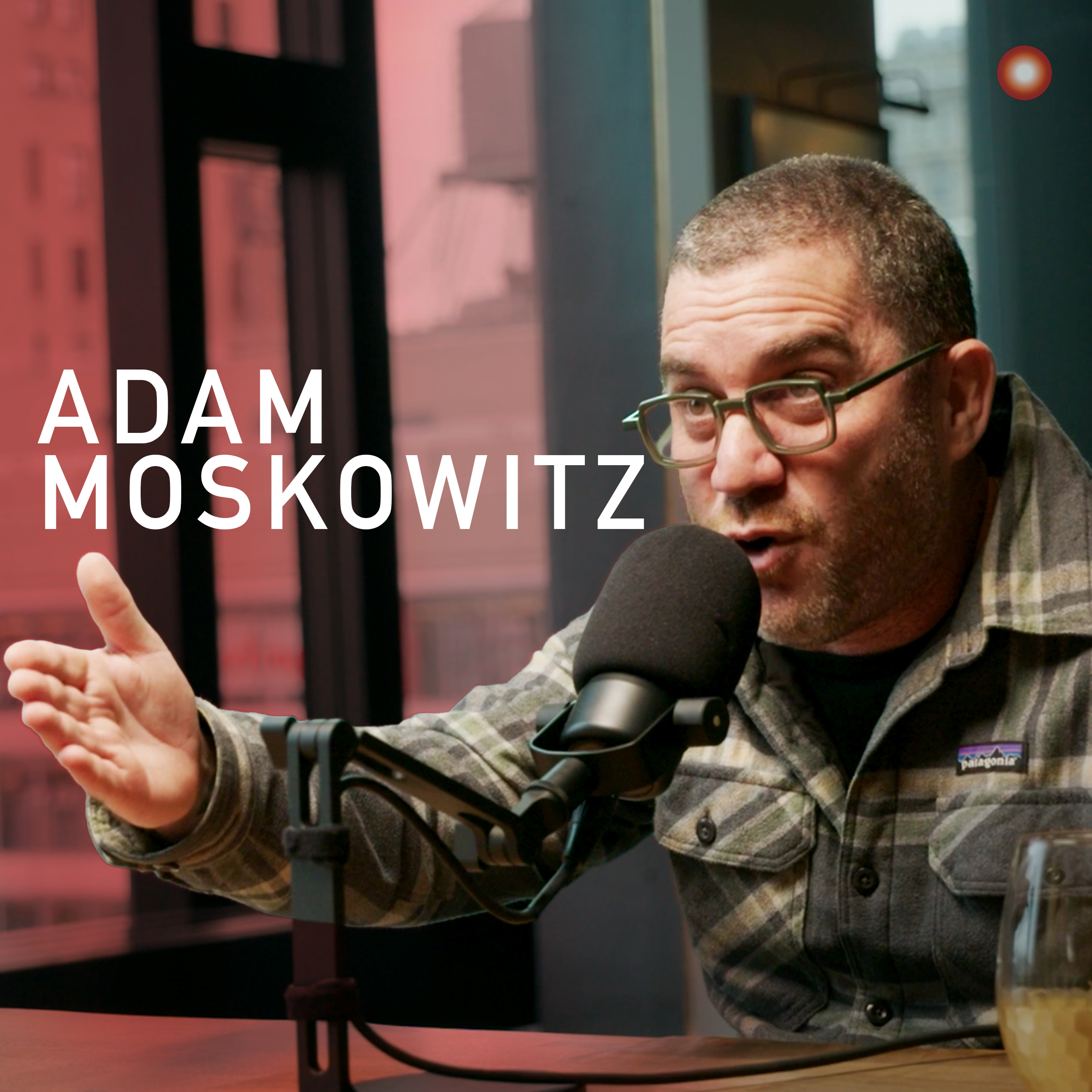
To combat price objections, artisan cheese expert Adam Moskowitz reframes his product not as expensive, but as valuable. The superior flavor-per-bite of quality cheese provides more intrinsic value than cheaper, mass-market alternatives that primarily offer a generic 'creamy' texture.
The expectation set by a high price can literally change how a consumer experiences a product. In one study, the same wine was rated 70% better when participants believed it was expensive. This isn't just perception; it's a self-fulfilling prophecy where price dictates the perceived quality of the experience itself.

For luxury brands, raising prices is a strategic tool to enhance brand perception. Unlike mass-market goods where high prices deter buyers, in luxury, price hikes increase desirability and signal exclusivity. This reinforces the brand's elite status and makes it more coveted.
For luxury goods or services, pricing is a key signal of quality. A price point that is incongruent with luxury branding can make potential buyers skeptical and actually reduce close rates. Raising prices can increase desire and conversions by aligning perception with promise.

Pricing power allows a brand to raise prices without losing customers, effectively fighting the economic principle that demand falls as price rises. This is achieved by creating a brand perception so strong that consumers believe there is no viable substitute.
Price heavily influences a customer's expectations, which in turn shape their experience. A discounted product, like a painkiller, may be perceived as lower quality, leading to a measurably lower placebo effect and reduced effectiveness for the user. The actual experience deteriorates with the price.

When a new KFC premium product wasn't selling, they doubled the price instead of discounting it. This aligned the price with consumer expectations for a premium item, signaling quality and causing sales to soar. Low prices can imply low quality for high-end goods.

When Nespresso priced a feature-rich coffee machine the same as its basic model, customers grew suspicious. Assuming a hidden flaw in the advanced version, they overwhelmingly purchased the simpler one, showing how price equality can paradoxically devalue a superior product.
Even if rarely purchased, a premium one-on-one offer serves as a powerful value anchor. Its high price tag transfers a degree of perceived value to your more accessible, scalable products. To work, you must confront the high price directly with prospects before offering a downsell.
In a true luxury market, pricing that is too low is incongruent with the brand promise and can actively harm your close rate. A wealthy buyer expects a high price as a signal of quality. If your 'luxury' wedding entertainment costs $30k when flowers cost $500k, the price signals that it's not a premium service, creating distrust.