Get your free personalized podcast brief
We scan new podcasts and send you the top 5 insights daily.
When relaunching Lucozade with less sugar, openly discussing the change created a massive negative narrative. For Ribena's relaunch, they avoided mentioning the change and ran a positive campaign instead, leading to sales growth. Don't give consumers a reason to stop loving your brand.

Related Insights
Brands are now combining price hikes with "shrinkflation," a tactic dubbed "maximiniflation." Milka chocolate, for example, raised its price and reduced its bar size, causing a 20% sales drop in Germany. Consumers are now hyper-aware of these dual tactics, making it a critical risk for brand reputation.
Malk's messaging evolved from focusing on what it lacked (gums, fillers) to highlighting the sensory experience of using the product. Recognizing that taste is paramount, the brand created assets showing the milk being poured into coffee or cereal. This shift from a rational, feature-based message to an emotional, benefit-driven one is key for brand maturation.

The common instinct in a brand crisis is to repeatedly apologize. However, after acknowledging the mistake and the fix, the best path is to stop talking about it. Loyal customers want the brand to return to being trustworthy, and over-apologizing keeps the focus on the failure.
Chick-fil-A spent millions trying to replace its long-running cow campaign, but research always confirmed "the market likes it." Effective marketing sticks with what demonstrably works, even if it feels repetitive or uncreative to the internal team. Don't change for the sake of change.

Poppy's founder halted operations for nine months to execute a complete rebrand. This intensive exercise, resulting in a 180-page brand book, was critical to creating an emotional connection with consumers and repositioning the product for massive success, moving the brand from the consumer's 'head to the heart'.

Tushy's growth and brand teams collaborate to ensure ads drive performance without damaging long-term brand equity. They moved away from certain high-performing creative after asking if it created the right 'memory structure' for an increasingly premium product, prioritizing long-term perception over short-term wins.

The 'pratfall effect' suggests that admitting a weakness can increase appeal. For brands, this works best when the admitted flaw cleverly emphasizes a core strength. For example, Buckley's cough syrup's 'It tastes awful. And it works' campaign uses its bad taste to signal its powerful efficacy.

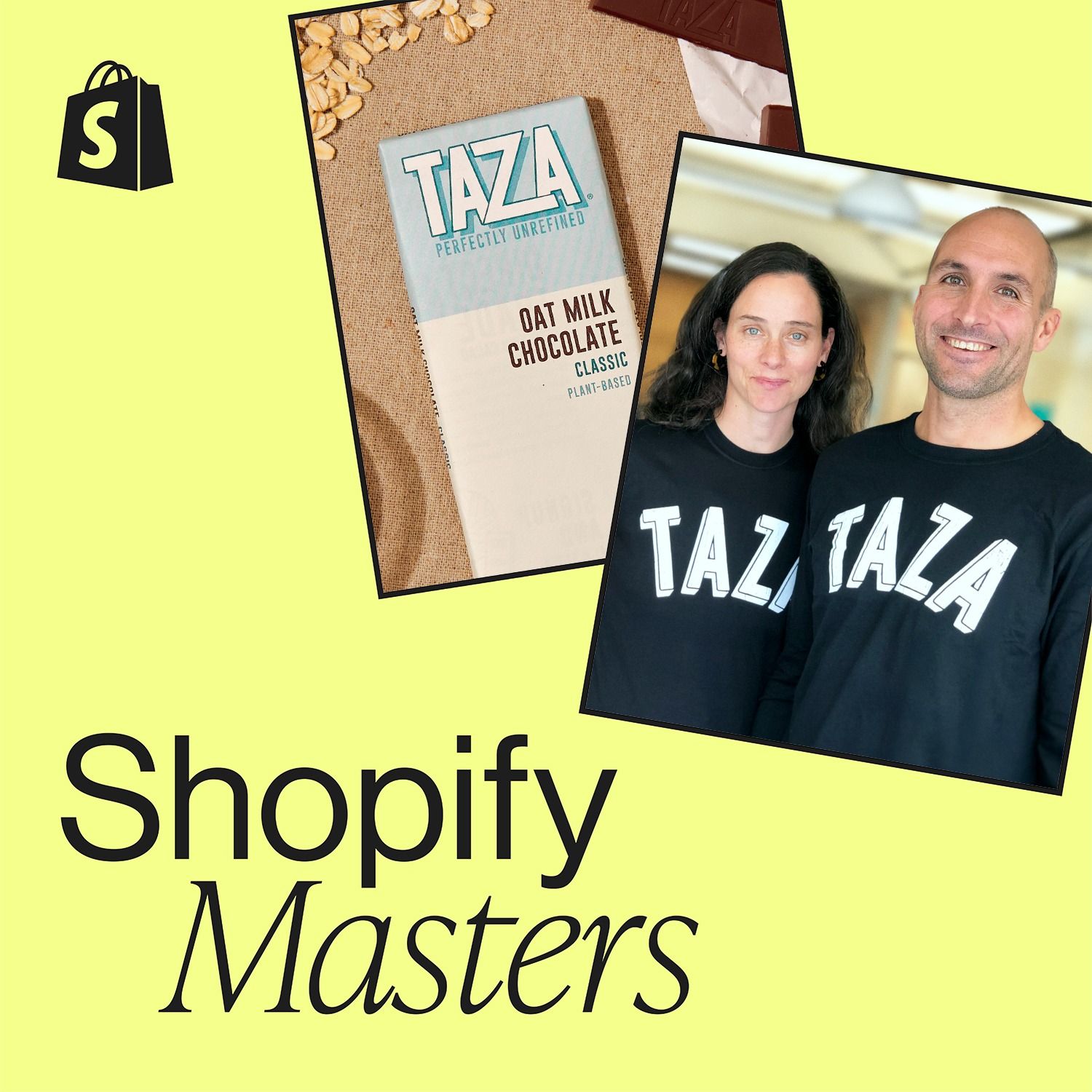
Taza resisted the huge trend of sugar-free chocolate because they couldn't create a version that met their high flavor standards. By refusing to compromise their core product principles, they maintained brand integrity, which was validated when consumer preference swung back to "real" ingredients.
Using Sprite as an example, Chris Burgrave shows how short-term budget cuts lead to a slow erosion of brand equity, eventual retailer delistings, and a massively expensive relaunch years later. The initial savings are dwarfed by the future investment required to regain lost ground, making consistent brand support more cost-effective.
The disastrous "New Coke" launch, intended to win taste tests, triggered a massive public outcry that demonstrated the brand's deep cultural power. By bringing back "Coca-Cola Classic," the company inadvertently created the most effective marketing campaign imaginable, reminding consumers of their love for the original and halting Pepsi's momentum.