Get your free personalized podcast brief
We scan new podcasts and send you the top 5 insights daily.
To scale to hundreds of facilities in 30 countries while remaining in stealth, Travis Kalanick's company operated under different names globally (e.g., "Cloud Kitchens" in the US, "Casinos Equeltas" in LatAm). This fragmentation made it nearly impossible for outsiders to connect the dots.

Related Insights
Strategic leaks of "comparable companies" to media outlets are a key tool for stealth startups to signal their direction. Analysts can reverse-engineer a company's strategy, target market, and talent focus by scrutinizing these chosen comps. This turns PR into a powerful source of competitive intelligence.

The success of high-end restaurant chains like Carbone in diverse markets (Vegas, Riyadh) demonstrates a growing global connoisseur culture. This allows startups with a perfected product to expand internationally with only minor local adaptations, treating their brand as a form of intellectual property.

Travis Kalanick's new company operated in deep stealth for eight years, forcing 100% outbound recruiting and sales. This forged operational excellence in those teams and cultivated a culture of builders who derive satisfaction from the work itself, not public recognition.
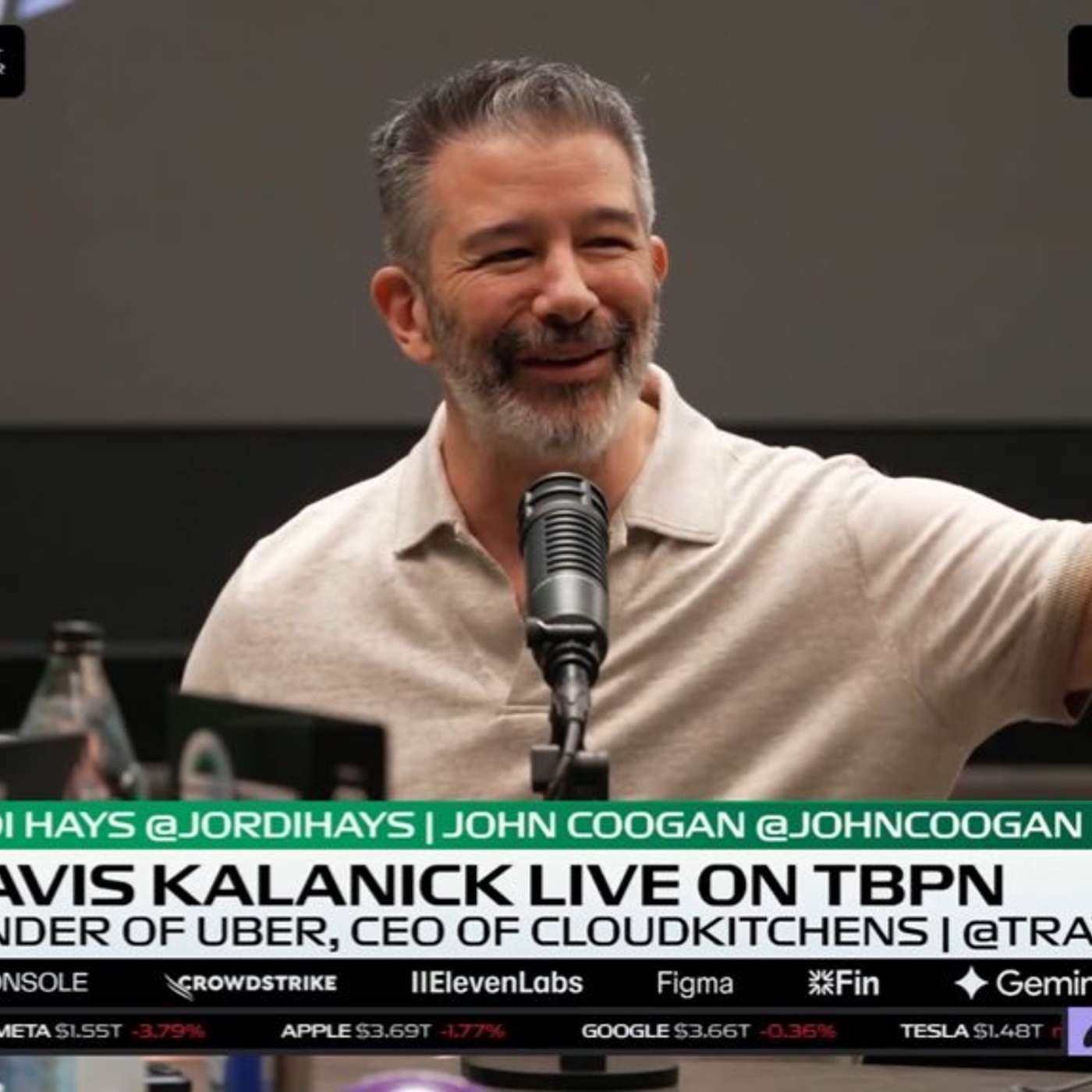
Travis Kalanick initially pitched separate companies for food, mining, and transport. However, early investors consistently wanted to back him directly, not a specific vertical. This prompted him to merge the subsidiaries into a single entity, demonstrating that for serial entrepreneurs, the personal track record is the primary asset.

Uber's global expansion was powered by a standardized, decentralized playbook. For each new city, they deployed a three-person team—a General Manager, an Operations Manager, and a Community Manager—to handle driver recruitment, rider demand, and regulatory issues locally.

For seven years, Travis Kalanick's new venture operated in extreme secrecy. Thousands of employees listed "Stealth" on LinkedIn, and the company used different, generic names in each of its 30 countries. This strategy concealed its scale and mission from competitors while building an intense internal culture.

For well-funded founders, the downsides of PR can outweigh the benefits. Constant negative media attention is distracting for the team. Staying in deep stealth mode minimizes copycat competitors and keeps employees focused on innovation instead of public perception and damage control.

To escape public scrutiny after Uber, Travis Kalanick ran his new company, City Storage Systems, "full underground" for eight years. This extreme stealth, which included banning employees from listing the company on LinkedIn, was a deliberate strategy to build without media distraction.

Against his team's advice to use local-sounding names, Harrison McCain insisted on using the "McCain" brand in every country. He understood that a single global brand compounds its value with each new market entry, with the name itself becoming a beachhead that does the work for you.
![[Outliers] Harrison McCain: How to Create Demand for Something Nobody Wants thumbnail](https://megaphone.imgix.net/podcasts/9c0d00ea-df1d-11ef-9477-2b8336fcd8e9/image/113a058265322df92ae562c548d1dc8f.jpg?ixlib=rails-4.3.1&max-w=3000&max-h=3000&fit=crop&auto=format,compress)
By operating in stealth for years, Travis Kalanick forced his team to derive satisfaction purely from their work and colleagues, not public recognition. This cultivates a powerful culture focused on "internal correctness," preventing decisions based on external validation from press or social status.