Get your free personalized podcast brief
We scan new podcasts and send you the top 5 insights daily.
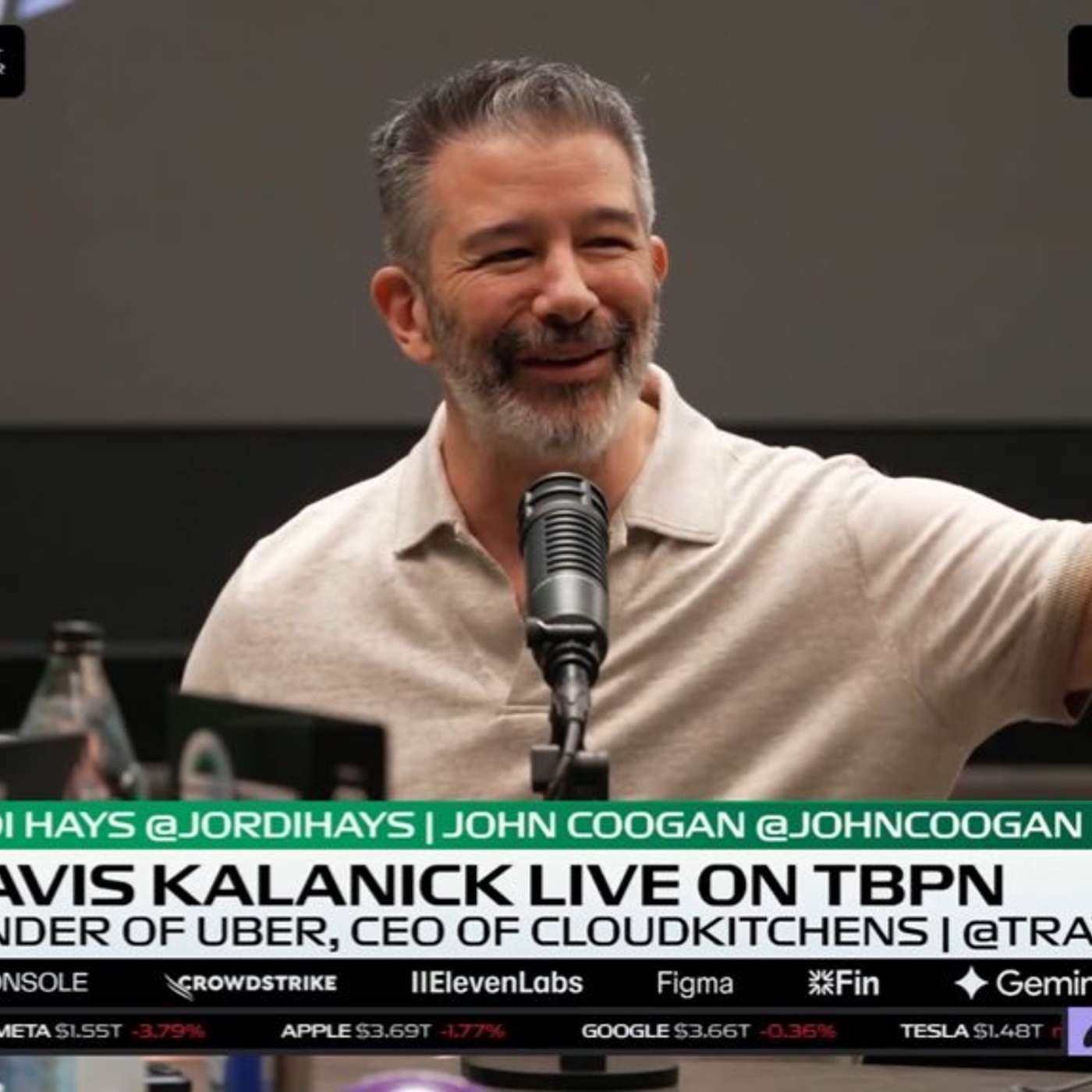
By operating in stealth for years, Travis Kalanick forced his team to derive satisfaction purely from their work and colleagues, not public recognition. This cultivates a powerful culture focused on "internal correctness," preventing decisions based on external validation from press or social status.

Related Insights
Travis Kalanick's new company operated in deep stealth for eight years, forcing 100% outbound recruiting and sales. This forged operational excellence in those teams and cultivated a culture of builders who derive satisfaction from the work itself, not public recognition.
Younis deliberately avoided public promotion for years, believing that time spent on public consumption is time not spent on customers and product. This quiet focus challenged the "build in public" mantra and was key to his success.

Unlike companies that pay lip service to work-life balance, Uber's CEO is explicit: new hires are expected to work incredibly hard, and underperformers will be pushed out. This upfront honesty acts as a filter, attracting individuals who thrive in a high-intensity environment and ensuring cultural alignment from day one.

For seven years, Travis Kalanick's new venture operated in extreme secrecy. Thousands of employees listed "Stealth" on LinkedIn, and the company used different, generic names in each of its 30 countries. This strategy concealed its scale and mission from competitors while building an intense internal culture.

Guided by Marcus Aurelius's 'Meditations,' Thrive’s culture strives to be 'the same man in both good times and in bad times.' This principle helped the team remain unfazed by a decade of criticism and now helps them stay grounded amidst praise, ensuring they don't get distracted by external validation.
![Josh Kushner - Concentration and Conviction - [Invest Like the Best, EP.459] thumbnail](https://megaphone.imgix.net/podcasts/77704aec-0c73-11f1-9aef-47fb47e3545b/image/060e44d6c87ea078f34c6cfa0d7470a9.jpg?ixlib=rails-4.3.1&max-w=3000&max-h=3000&fit=crop&auto=format,compress)
For well-funded founders, the downsides of PR can outweigh the benefits. Constant negative media attention is distracting for the team. Staying in deep stealth mode minimizes copycat competitors and keeps employees focused on innovation instead of public perception and damage control.

Beyond hiding projects from adversaries, secrecy served a critical internal function: it insulated the team from corporate bureaucracy and distractions. This allowed a compact, focused group to maintain high velocity without interference from the larger organization.

To escape public scrutiny after Uber, Travis Kalanick ran his new company, City Storage Systems, "full underground" for eight years. This extreme stealth, which included banning employees from listing the company on LinkedIn, was a deliberate strategy to build without media distraction.

During its long, pre-revenue build, Runway couldn't rely on constant market feedback. Instead, they depended on the founder's "taste"—defined as knowing what's good without external validation. This internal conviction is crucial for ambitious products that aren't a "random walk" of testing.

True competitive advantage comes from finding validation internally, not from public metrics like followers or wealth. This detachment from a public persona eliminates the fear of failure, enabling offensive strategies, risk-taking, and the humility required for long-term success.
