Get your free personalized podcast brief
We scan new podcasts and send you the top 5 insights daily.
The success of high-end restaurant chains like Carbone in diverse markets (Vegas, Riyadh) demonstrates a growing global connoisseur culture. This allows startups with a perfected product to expand internationally with only minor local adaptations, treating their brand as a form of intellectual property.

Related Insights
Instead of copying what top competitors do well, analyze what they do poorly or neglect. Excelling in those specific areas creates a powerful differentiator. This is how Eleven Madison Park focused on rivals' bad coffee service to become the world's #1 restaurant.

Nestle avoids a rigid top-down approach by fostering a "hive mind" mentality. While a global strategy exists, local markets like Brazil and Mexico have autonomy to adapt to their unique cultures. The key is constant cross-market communication, where teams share successes and failures to ensure everyone evolves together.

Coca-Cola's relationship with McDonald's became a powerful symbiotic partnership. Coke helped McDonald's expand globally by providing office space and local relationships. In return, Coke received a massive, loyal sales channel with preferential treatment, demonstrating how deep partnerships create value far beyond simple transactions.
Persisting with a difficult, authentic, and more expensive production process, like using fresh ingredients instead of flavorings, is not a liability. It is the very thing that builds a long-term competitive advantage and a defensible brand story that copycats cannot easily replicate.

The global expansion playbook is reversing. Chinese brands like Luckin Coffee, having perfected low-cost, tech-integrated models in a hyper-competitive home market, are now expanding into the West. They are attempting a "reverse Starbucks," bringing their operational efficiency and aggressive pricing to markets like New York.
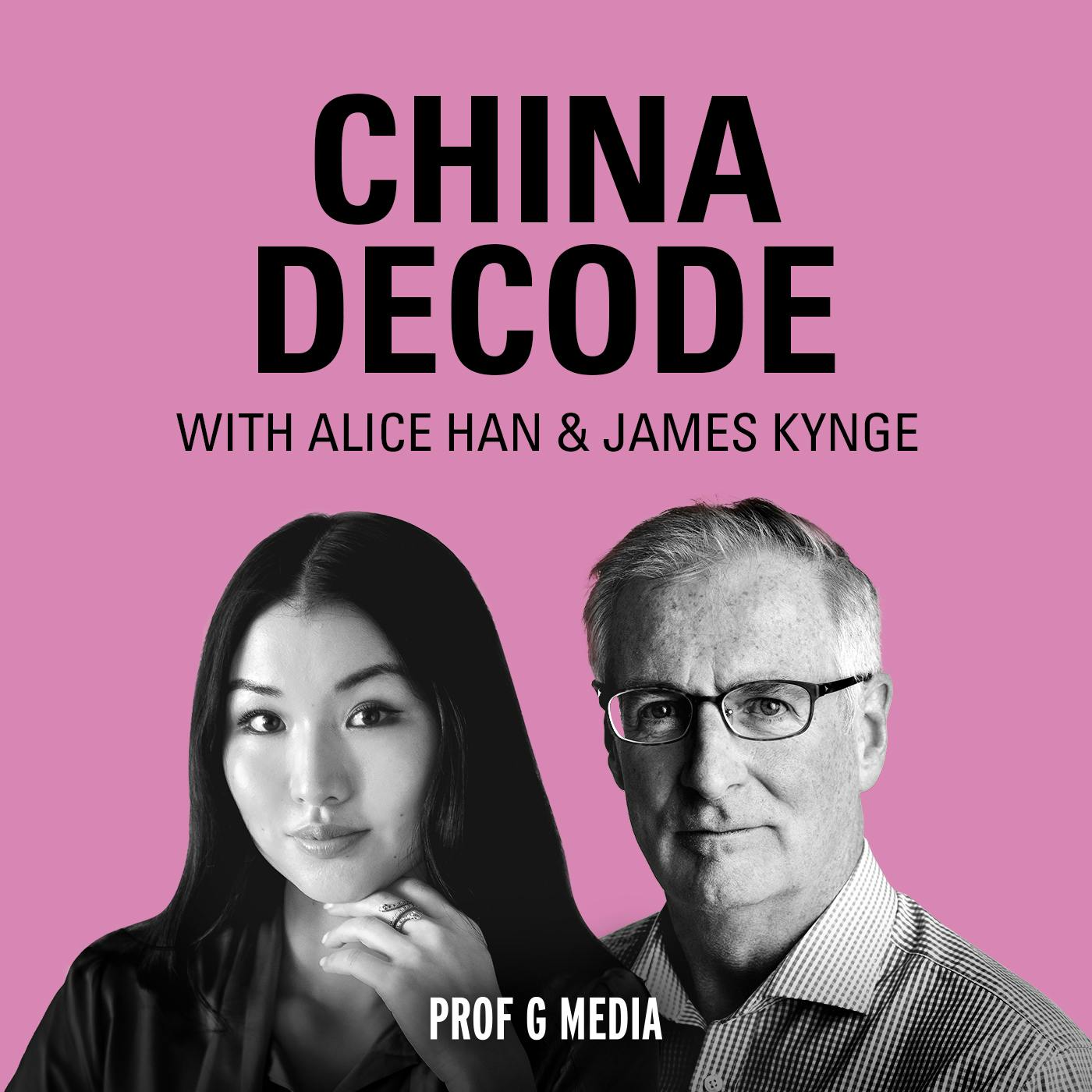
Facing hyper-competitive local rivals, Starbucks is selling a majority stake in its China business. This is not a retreat, but a strategic shift to a joint venture model. It's a playbook for Western brands to gain local agility, faster product rollouts, and deeper digital integration where Western brand dominance is fading.
A brand's strength can be measured by its "durability"—the permission customers grant it to enter new categories. For example, a "Nike hotel" is conceivable, but a "Hilton shoe" is not. This mental model tests whether your brand is defined by a narrow function or a broad customer relationship.

The belief that you must find an untapped, 'blue ocean' market is a fallacy. In a connected world, every opportunity is visible and becomes saturated quickly. Instead of looking for a secret angle, focus on self-awareness and superior execution within an existing market.

A successful startup curriculum can't be one-size-fits-all globally. It requires real-time adaptation to address specific local ecosystem gaps, such as a need for better design skills in the Middle East or a push for global-facing products in an otherwise mature, domestic-focused market like Japan.

Seeing an existing successful business is validation, not a deterrent. By copying their current model, you start where they are today, bypassing their years of risky experimentation and learning. The market is large enough for multiple winners.
