Get your free personalized podcast brief
We scan new podcasts and send you the top 5 insights daily.
Contrary to the idea that only criticisms we believe are true can hurt us, the most painful ones are those we know are false but fear others will accept as truth. This trifecta of indignation at the lie, the pain of misrepresentation, and fear of public perception is what truly stings.

Related Insights
When you are insulted, onlookers look to your reaction to determine if the insult is true. Responding with laughter or nonchalance signals that the attack has no merit, effectively invalidating it. An emotional or defensive reaction, however, can give the insult credibility.

Fear of negative feedback prevents many professionals from posting content. Reframe this fear by understanding the psychology of trolls. People who leave hateful comments are often in pain themselves, and lashing out is their way of seeking temporary relief. Their comments are a reflection of them, not you.

While an insult can sting if it hits a personal insecurity, the deepest pain comes from the injustice of a false accusation you fear others will believe. This creates a special kind of hell where your reputation is tarnished and you pay the social cost for something you didn't do.

The mind is a masterful manipulator that often won't lead with criticism. Instead, it pulls you in with praise, telling you how great you are. Once it has your trust and attention, it pivots to systematically listing your flaws, making the negative self-talk feel more credible and devastating.

To maintain mental health amidst public scrutiny, one should recognize that the audience is not as focused on your perceived failure as you are. While a negative event may feel mortifying and career-defining to you, the public moves on. This perspective helps depersonalize attacks and reduce their long-term psychological impact.

When feeling attacked, zoom out. Affirming core values, considering the issue from a future perspective, or imagining a wise role model's response creates psychological distance. This detaches your self-worth from the specific criticism, allowing you to engage with it more openly.
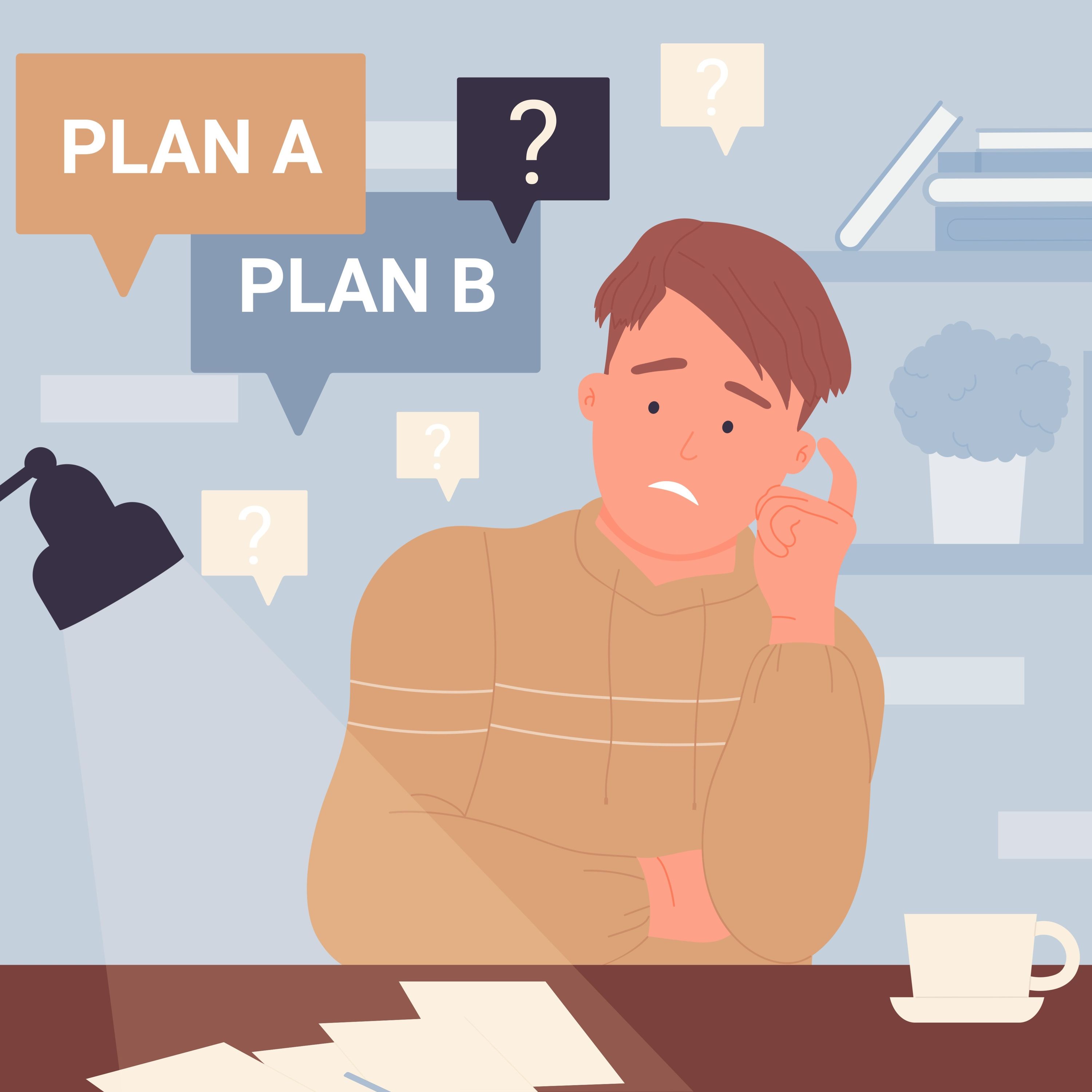
Fear of others' opinions is debilitating but ultimately irrational, much like a phobia. Just as exposing oneself to germs proves they aren't fatal, exposing yourself to criticism reveals that negative opinions have no real-world impact on your survival or progress. The fear is far worse than the reality.

Overcome the fear of negative feedback by reframing it. A person leaving a hateful comment is likely deeply unhappy. Instead of feeling attacked, feel pity for their state of mind. This psychological shift neutralizes the comment's emotional power over you.
Entrepreneurs often believe their biggest fear is judgment from anonymous internet users. However, the real psychological barrier is the anticipated criticism or misunderstanding from their close friends and family. These are people who are unlikely to ever be customers, yet their opinions are given disproportionate weight.

Defensiveness arises because our brain's self-relevance and value systems are intertwined. Feedback threatening a specific action (e.g., "you're a risky driver") is often interpreted as a threat to our core identity ("I'm a bad person"), triggering a strong protective response.