Get your free personalized podcast brief
We scan new podcasts and send you the top 5 insights daily.
For businesses expanding into wholesale, Kip Tindell advises focusing on smaller, independent retailers first. He argues against chasing large accounts or investing in fading trade shows. Success with independents provides proof of concept and leverage, making the brand more attractive to larger retailers down the line.

Related Insights
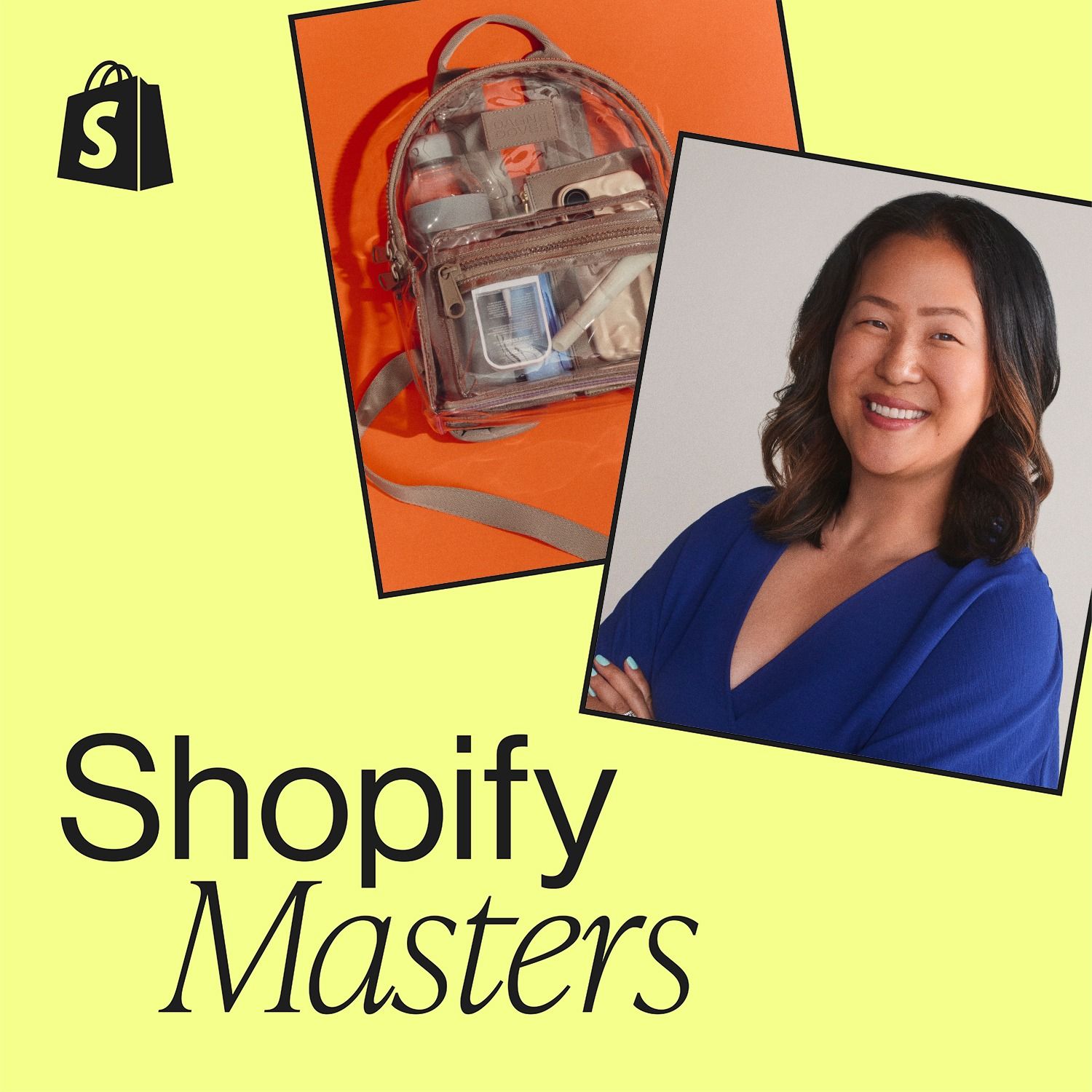
Instead of a wide launch, Dagne Dover began with 20 carefully selected Nordstrom doors. Proving sell-through in a limited scope gave them negotiating power to control the pace of expansion and secure better terms, avoiding pitfalls common for young brands.
To identify their first retail targets, the founders analyzed the wholesale account lists published in the catalogs of similar, established brands. This scrappy tactic allowed them to efficiently find stores that were already proven to carry products appealing to their target customer.
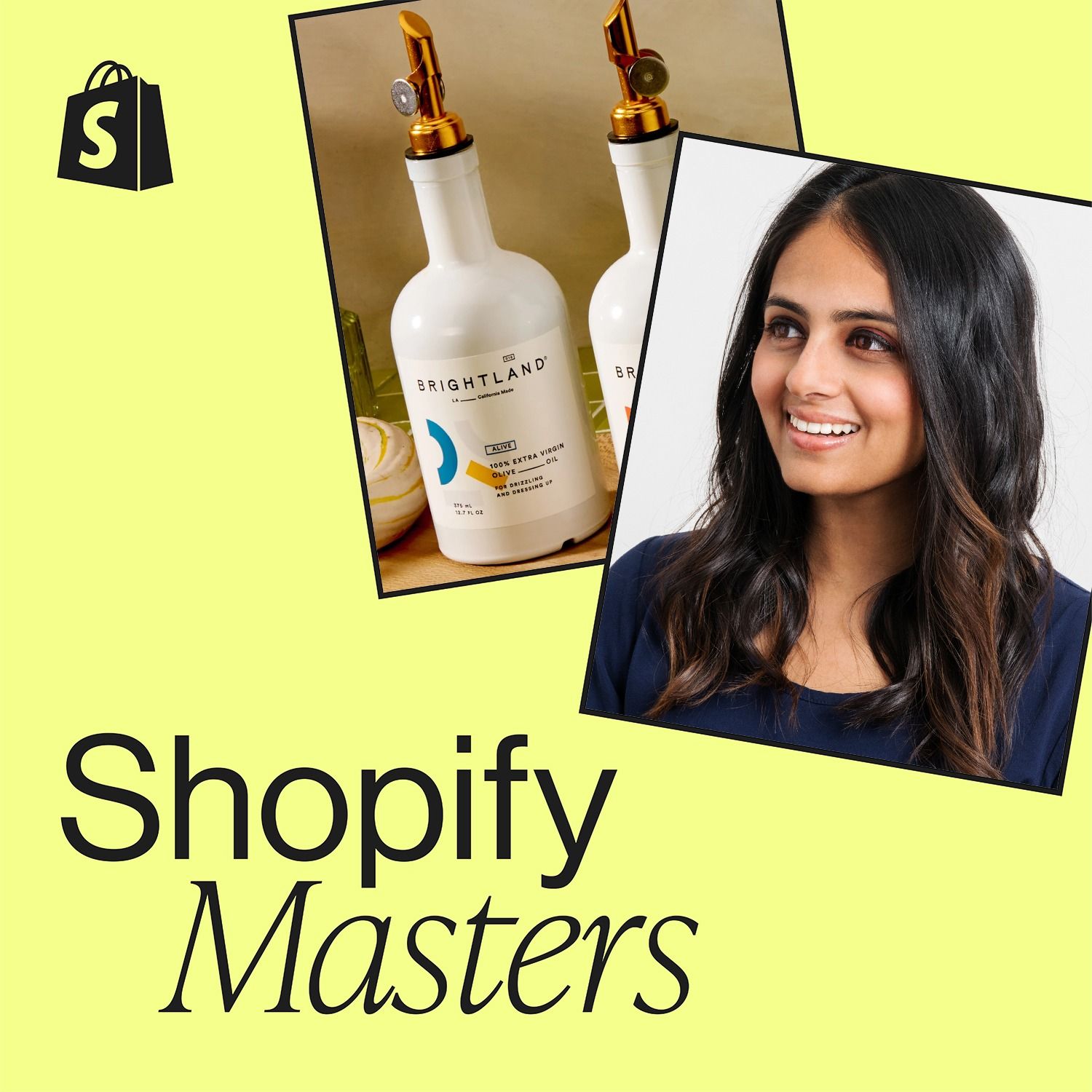
Resist the allure of early, large-scale retail offers. Brightland deliberately delayed partnerships with national retailers until their supply chain was prepared. The founder must also personally become an expert in the complexities of retail; it cannot be fully delegated.
Daymond John warns CPG founders against jumping directly from farmer's markets into big-box retail, calling it "four times the work for half the reward." The crucial intermediate step is selling to small, local stores to test the waters and build a wholesale foundation without the risks of large retail.
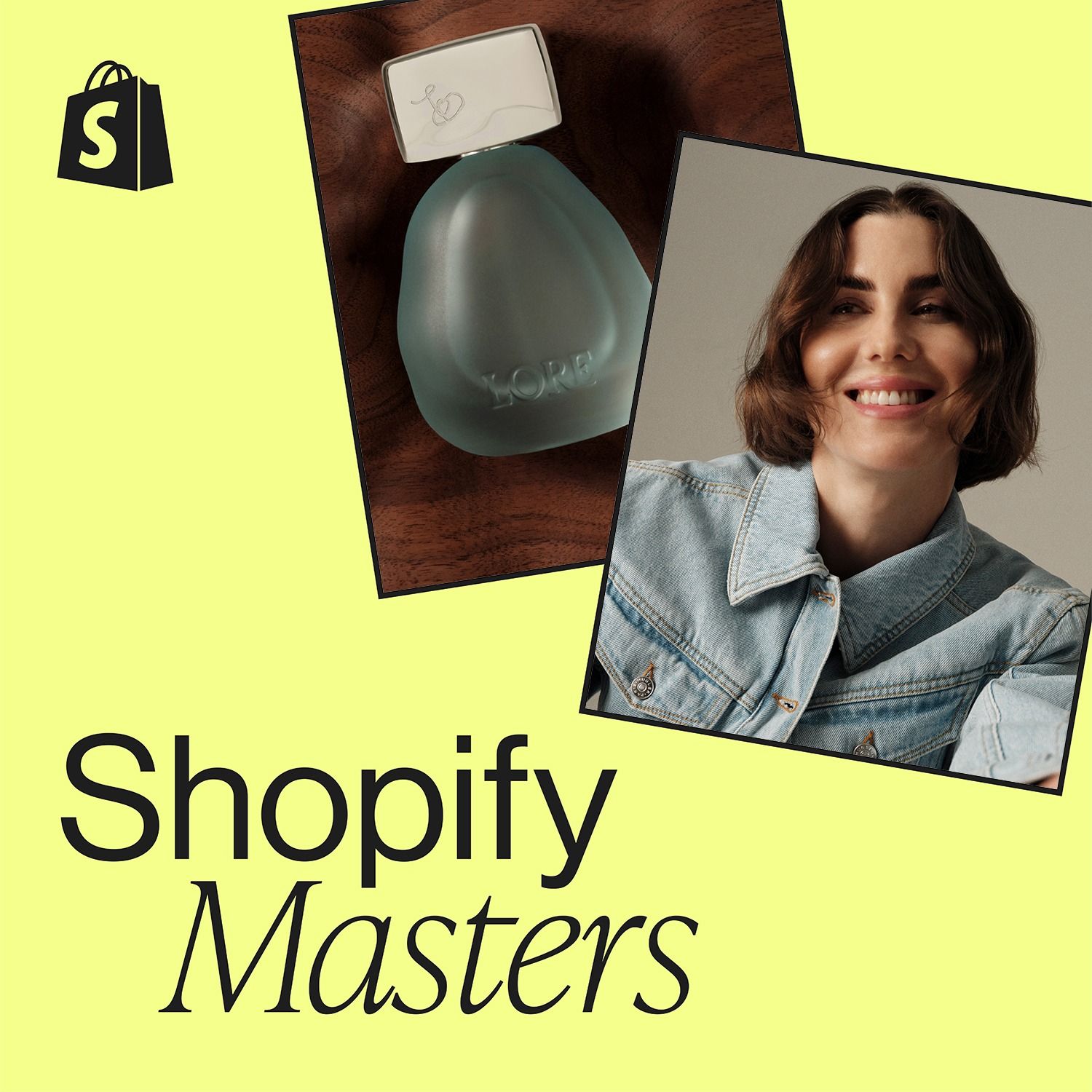
Lore's founder advises that securing retail placement is not the goal; performing well within it is. Starting with a smaller, more strategic door count allows a new brand to prove its model and build momentum before a wider, more expensive rollout.
Jane Wurwand advises a premium food startup to avoid large supermarkets early on. Big chains demand high volume and have long payment cycles that can crush a new business. Instead, focus on small, high-end local grocers where the brand story can shine and payment terms are more manageable.
To get into a major retailer, don't just prove your product sells. Show buyers data that you bring new customers to their category, growing the entire market rather than just cannibalizing sales from existing brands on the shelf.
A-Frame's CEO warns that retailers can 'love you to death.' Accepting a full-chain launch is tempting, but the marketing and inventory costs can be overwhelming for a young brand. He advises founders to negotiate a smaller, focused launch to prove the concept before expanding.

Before landing major retailers, Buy Rosie Jane used its 50 small boutique partners as a training ground. This 'university' phase allowed them to test messaging, create their own shelf talkers, and define their 'clean' positioning, preparing them for larger-scale success with a fully-formed brand story.
The best strategy is to capture a large share of a small, specific market and then expand into adjacent ones. Jeff Bezos deliberately started with books for a niche customer base, proving the model before scaling to become 'the everything store.'