Get your free personalized podcast brief
We scan new podcasts and send you the top 5 insights daily.
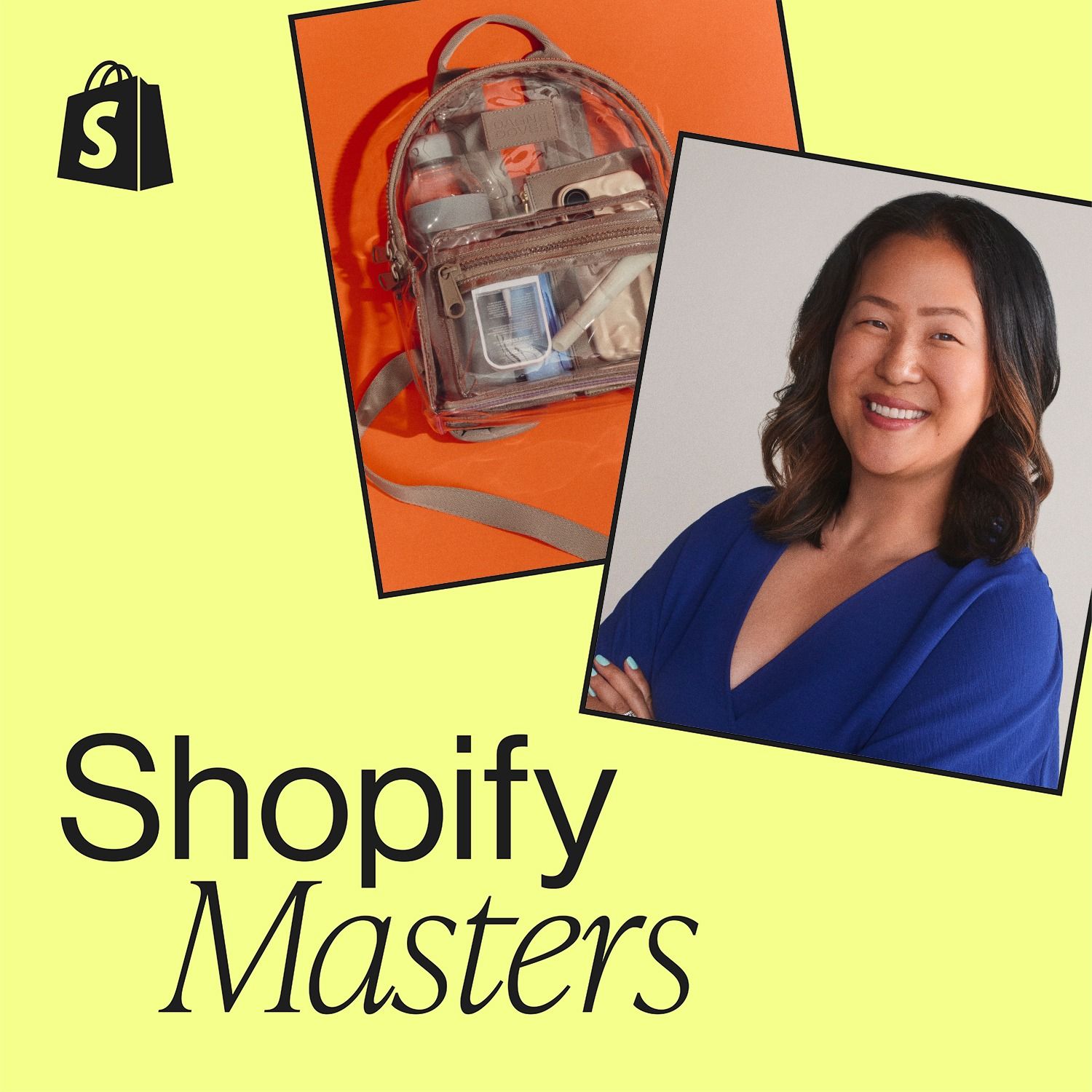
Instead of a wide launch, Dagne Dover began with 20 carefully selected Nordstrom doors. Proving sell-through in a limited scope gave them negotiating power to control the pace of expansion and secure better terms, avoiding pitfalls common for young brands.
Related Insights
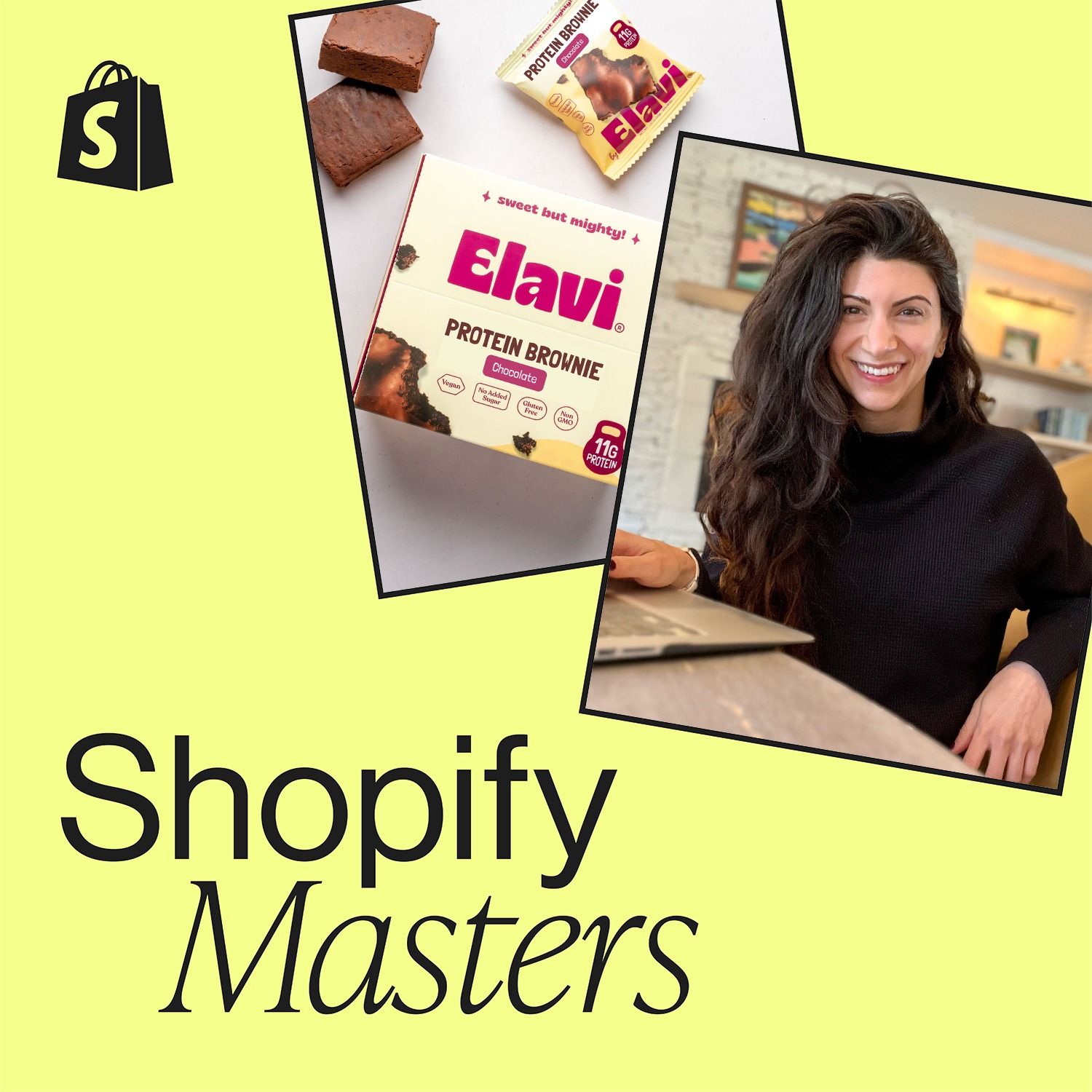
Alave's founders turned down a nationwide launch with Whole Foods, opting for a smaller, regional rollout instead. This counterintuitive move allowed them to mitigate risk, learn the retailer's systems in a controlled environment, and build a sustainable foundation before scaling. This proved crucial when a cyber attack hit their distributor.
To enter physical retail, first test markets with low-cost local events. Next, 'walk' by running trunk shows and pop-ups with wholesale partners. Finally, 'run' by using short-term leases in retail incubators to validate a location before committing to expensive 10-year leases.

The brand strategically selects diverse retail partners like Nordstrom and Equinox to reach different customer demographics. This approach uses wholesale for brand awareness and market penetration rather than viewing it purely as a revenue stream.
For new CPG products, a methodical go-to-market approach that builds momentum in one strategic channel before expanding is superior to a wide, initial push. This creates a steady, predictable growth curve and avoids massive spikes and crashes in demand and production.

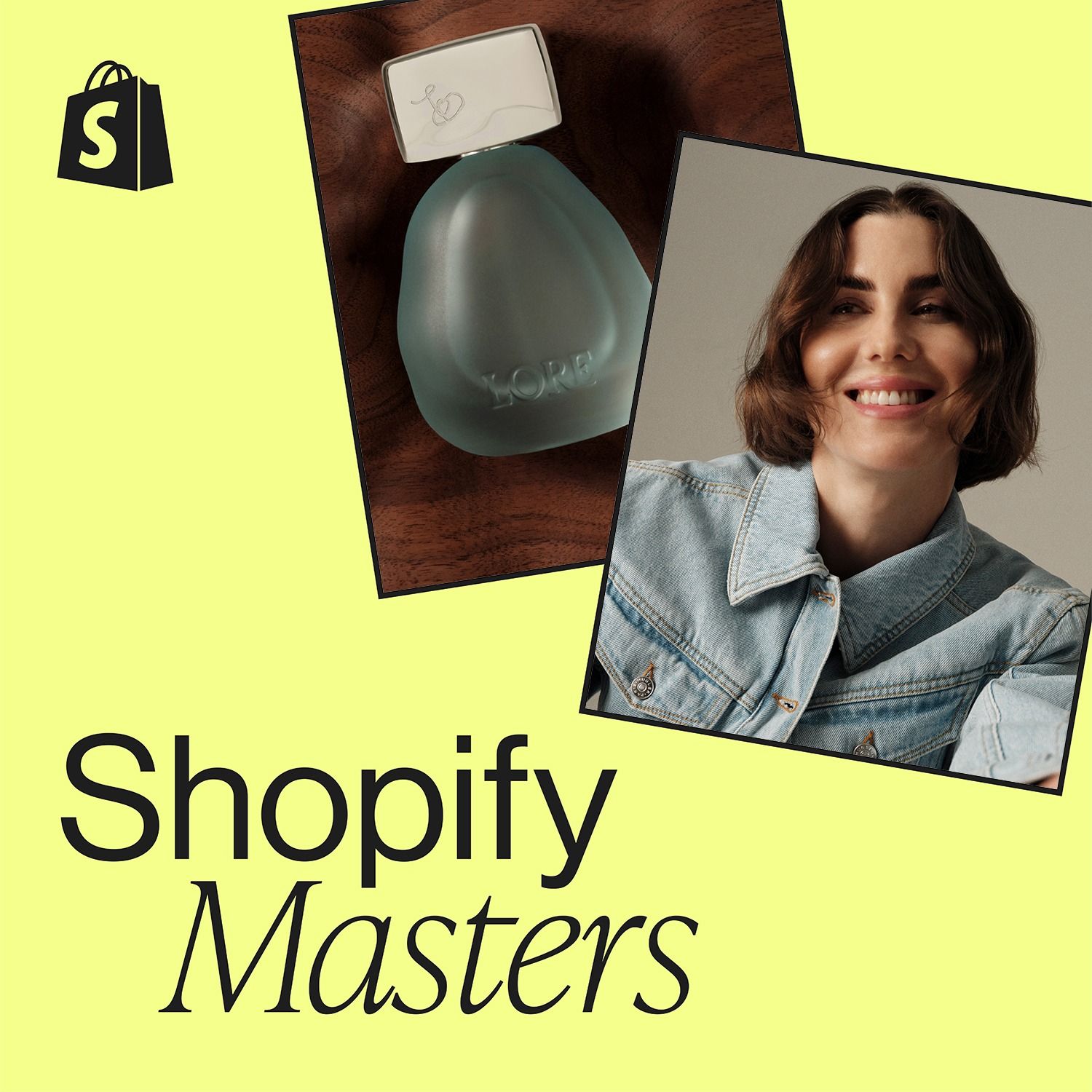
Lore's founder advises that securing retail placement is not the goal; performing well within it is. Starting with a smaller, more strategic door count allows a new brand to prove its model and build momentum before a wider, more expensive rollout.
To get into a major retailer, don't just prove your product sells. Show buyers data that you bring new customers to their category, growing the entire market rather than just cannibalizing sales from existing brands on the shelf.

For a premium DTC brand, broad retail expansion is a trap that reduces margins, invites knockoffs, and cheapens the brand. Instead, selectively partner with only a few key, trusted retailers to reach new, targeted audiences without overexposing the product and sacrificing its premium positioning.
To compete in department stores, Alex Faherty personally visited all 10 initial Nordstrom locations. He told the brand story directly to salespeople, recognizing they were the ultimate gatekeepers to customers and their buy-in paid long-term dividends.
A-Frame's CEO warns that retailers can 'love you to death.' Accepting a full-chain launch is tempting, but the marketing and inventory costs can be overwhelming for a young brand. He advises founders to negotiate a smaller, focused launch to prove the concept before expanding.
Before landing major retailers, Buy Rosie Jane used its 50 small boutique partners as a training ground. This 'university' phase allowed them to test messaging, create their own shelf talkers, and define their 'clean' positioning, preparing them for larger-scale success with a fully-formed brand story.