Get your free personalized podcast brief
We scan new podcasts and send you the top 5 insights daily.
Daymond John warns CPG founders against jumping directly from farmer's markets into big-box retail, calling it "four times the work for half the reward." The crucial intermediate step is selling to small, local stores to test the waters and build a wholesale foundation without the risks of large retail.

Related Insights
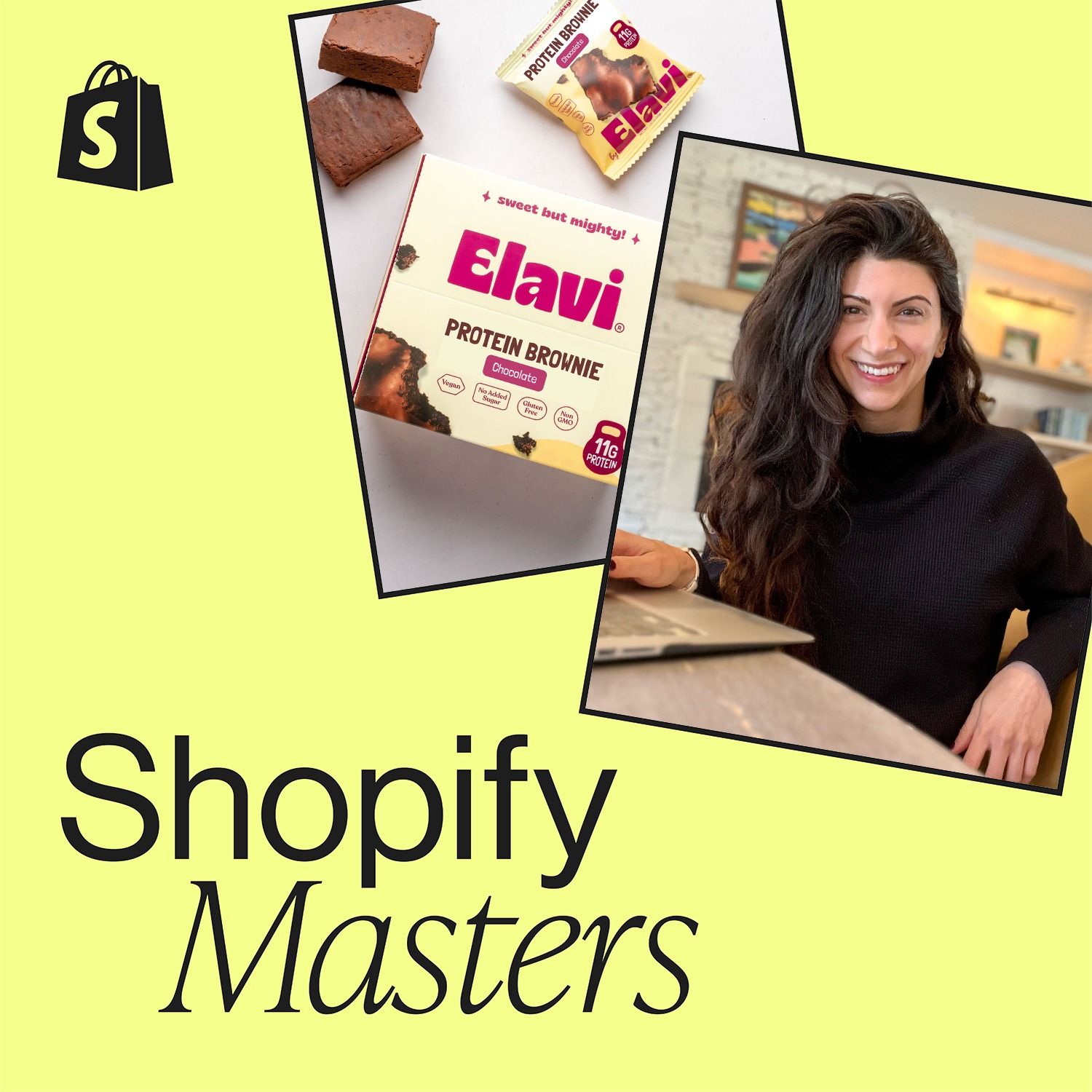
Alave's founders turned down a nationwide launch with Whole Foods, opting for a smaller, regional rollout instead. This counterintuitive move allowed them to mitigate risk, learn the retailer's systems in a controlled environment, and build a sustainable foundation before scaling. This proved crucial when a cyber attack hit their distributor.
For a food business with a successful B2B wholesale or catering model, the immediate growth path is expanding that existing channel (e.g., from 45 to 90 partners). A brick-and-mortar location is a different business with high costs that can distract from the core strength.
To land a large retail contract (e.g., Whole Foods), a brand must prove it can produce at scale. However, investing in scaling operations is a massive financial risk without a guaranteed contract, creating a critical strategic impasse for growing brands.

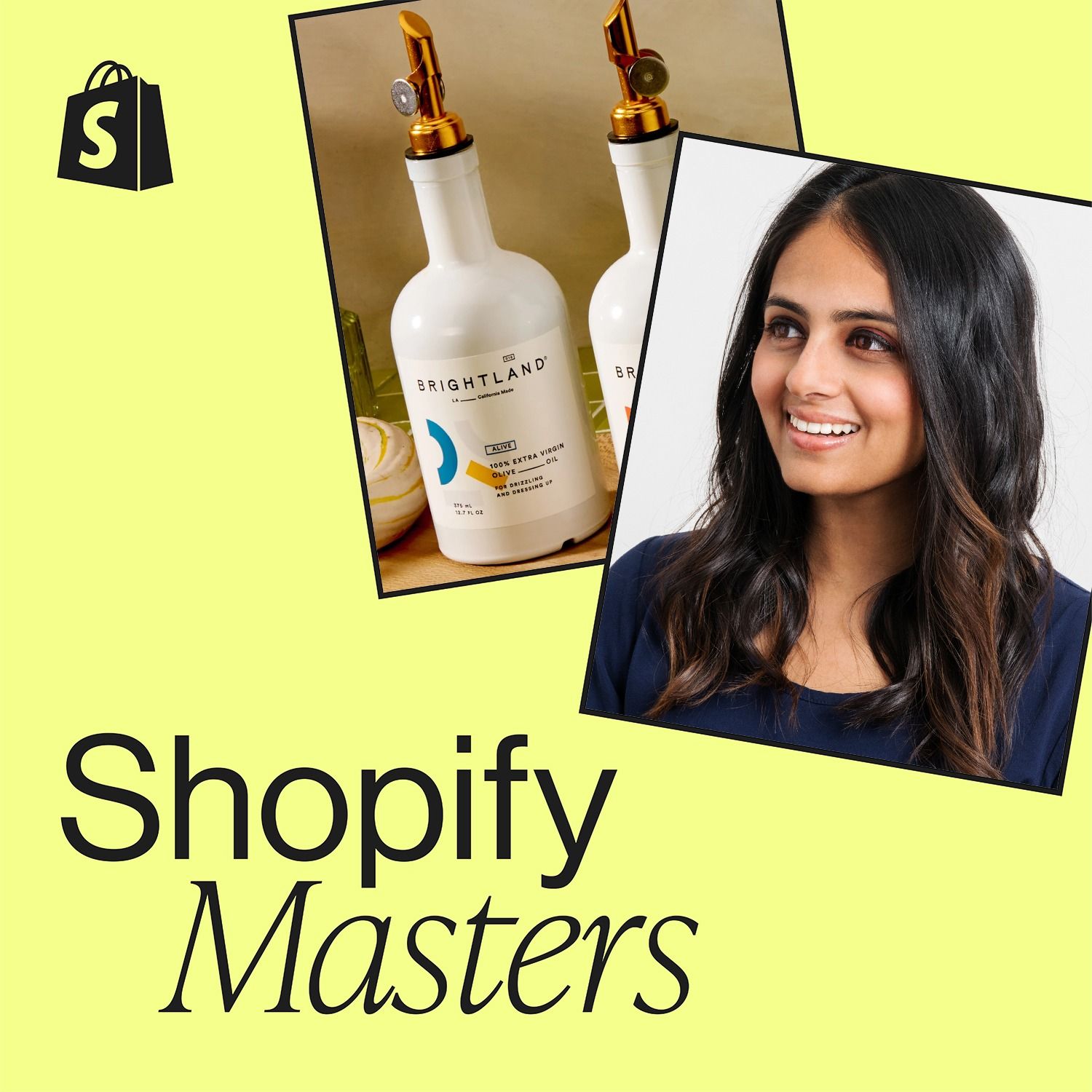
Resist the allure of early, large-scale retail offers. Brightland deliberately delayed partnerships with national retailers until their supply chain was prepared. The founder must also personally become an expert in the complexities of retail; it cannot be fully delegated.
Poppi was discovered at a farmer's market by a Whole Foods "forager" just three weeks after launching. This specialized program is designed to help emerging brands navigate compliance and supply chain, acting as a crucial, hands-on bridge from a local hobby to regional retail distribution.

Lore's founder advises that securing retail placement is not the goal; performing well within it is. Starting with a smaller, more strategic door count allows a new brand to prove its model and build momentum before a wider, more expensive rollout.

Jane Wurwand advises a premium food startup to avoid large supermarkets early on. Big chains demand high volume and have long payment cycles that can crush a new business. Instead, focus on small, high-end local grocers where the brand story can shine and payment terms are more manageable.
For heavy, low-margin products like jarred sauce, a direct-to-consumer model is often unsustainable due to shipping costs. Its strategic value is to build an initial customer base and gather sales data to prove demand to large retailers, de-risking their decision to stock the product.
A-Frame's CEO warns that retailers can 'love you to death.' Accepting a full-chain launch is tempting, but the marketing and inventory costs can be overwhelming for a young brand. He advises founders to negotiate a smaller, focused launch to prove the concept before expanding.

Before landing major retailers, Buy Rosie Jane used its 50 small boutique partners as a training ground. This 'university' phase allowed them to test messaging, create their own shelf talkers, and define their 'clean' positioning, preparing them for larger-scale success with a fully-formed brand story.