Get your free personalized podcast brief
We scan new podcasts and send you the top 5 insights daily.
In a frothy market, founders should prioritize de-risking. They should sell 10-20% of their holdings to secure personal finances and raise a large funding round when offered, rather than waiting for a higher valuation. Cash on the balance sheet provides crucial optionality for survival.

Related Insights
Contrary to the VC fear that early liquidity demotivates founders, Amanda Kahlow argues it does the opposite. Taking money off the table provides comfort and security, allowing founders to put more energy into the company and take bigger risks for a larger outcome.

This strategy de-risks a founder's journey. Instead of waiting for a single, uncertain exit, founders can secure life-changing money along the way. Mike Weistrack used early secondaries to pay off debt and buy a house, reducing personal financial pressure.

Allowing founders an early, limited secondary sale (e.g., $1-2M) to buy a house is strategic, not just 'founder friendly.' It removes personal financial pressure, enabling them to focus on ambitious, long-term goals for the company rather than seeking a premature, safe exit.

While first-time founders often optimize for the highest valuation, experienced entrepreneurs know this is a trap. They deliberately raise at a reasonable price, even if a higher one is available. This preserves strategic flexibility, makes future fundraising less perilous, and keeps options open—which is more valuable than a vanity valuation.
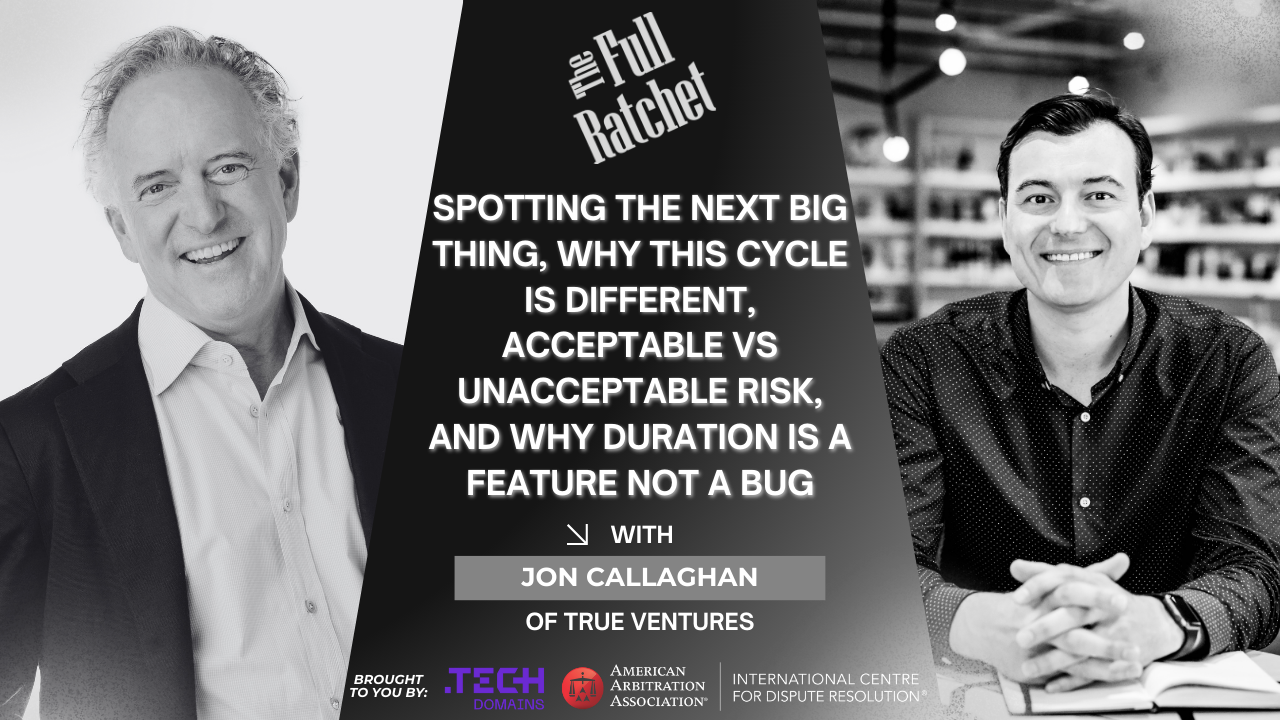
Taking a small amount of money off the table via a secondary sale de-risks a founder's personal finances. This financial security empowers them to reject large acquisition offers and pursue a long-term, independent vision without the pressure of life-changing personal wealth decisions.
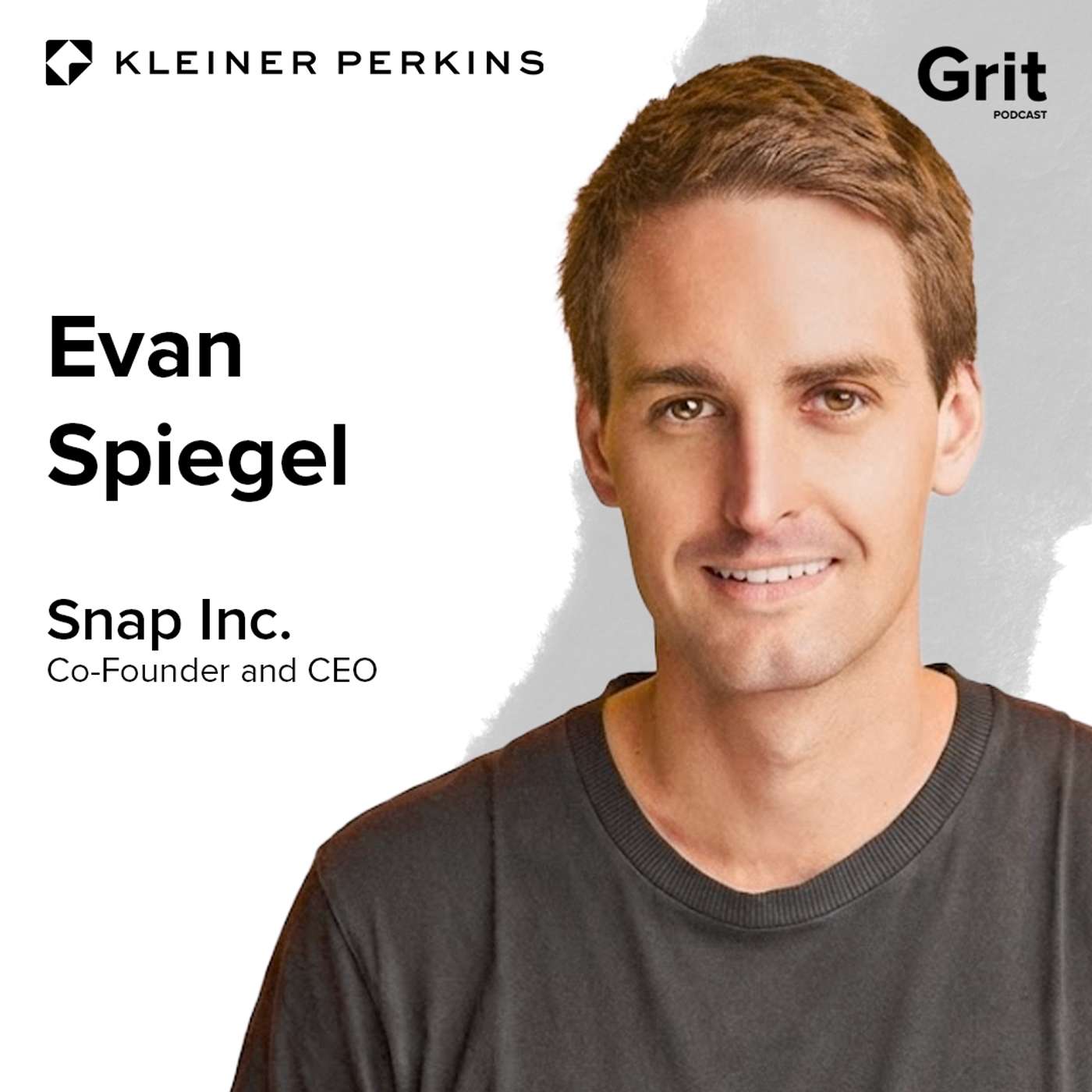
Dean Sweetman advises founders of growing, profitable (EBITDA positive) companies to take personal liquidity during funding rounds. He sees this not as a lack of faith in the business, but as a prudent way to reward the founders and senior team for years of hard work, which de-risks their personal lives and benefits the company long-term.
For startups experiencing hyper-growth, the optimal strategy is to raise capital aggressively and frequently—even multiple times a year—regardless of current cash reserves. This builds a war chest, solidifies a high valuation based on momentum, and effectively starves less explosive competitors of investor attention and capital.

The guest advises startup founders anticipating a market downturn to secure as much funding as possible. This creates a war chest to survive when capital dries up and provides opportunities to acquire distressed assets and competitors.

Instead of a complete sale, founders should consider selling a small portion of their company. This provides significant liquidity—often enough to de-risk their life—while allowing them to continue building, compounding value, and avoiding the post-exit identity crisis and capital redeployment problem.
The Poppi founders sold some of their shares before the final exit. This provided a financial safety net and allowed them to upgrade their lifestyle, which in turn reduced the all-or-nothing pressure. This freedom enabled them to take bigger risks and work harder for an even larger outcome.
