Get your free personalized podcast brief
We scan new podcasts and send you the top 5 insights daily.
Contrary to the VC fear that early liquidity demotivates founders, Amanda Kahlow argues it does the opposite. Taking money off the table provides comfort and security, allowing founders to put more energy into the company and take bigger risks for a larger outcome.

Related Insights
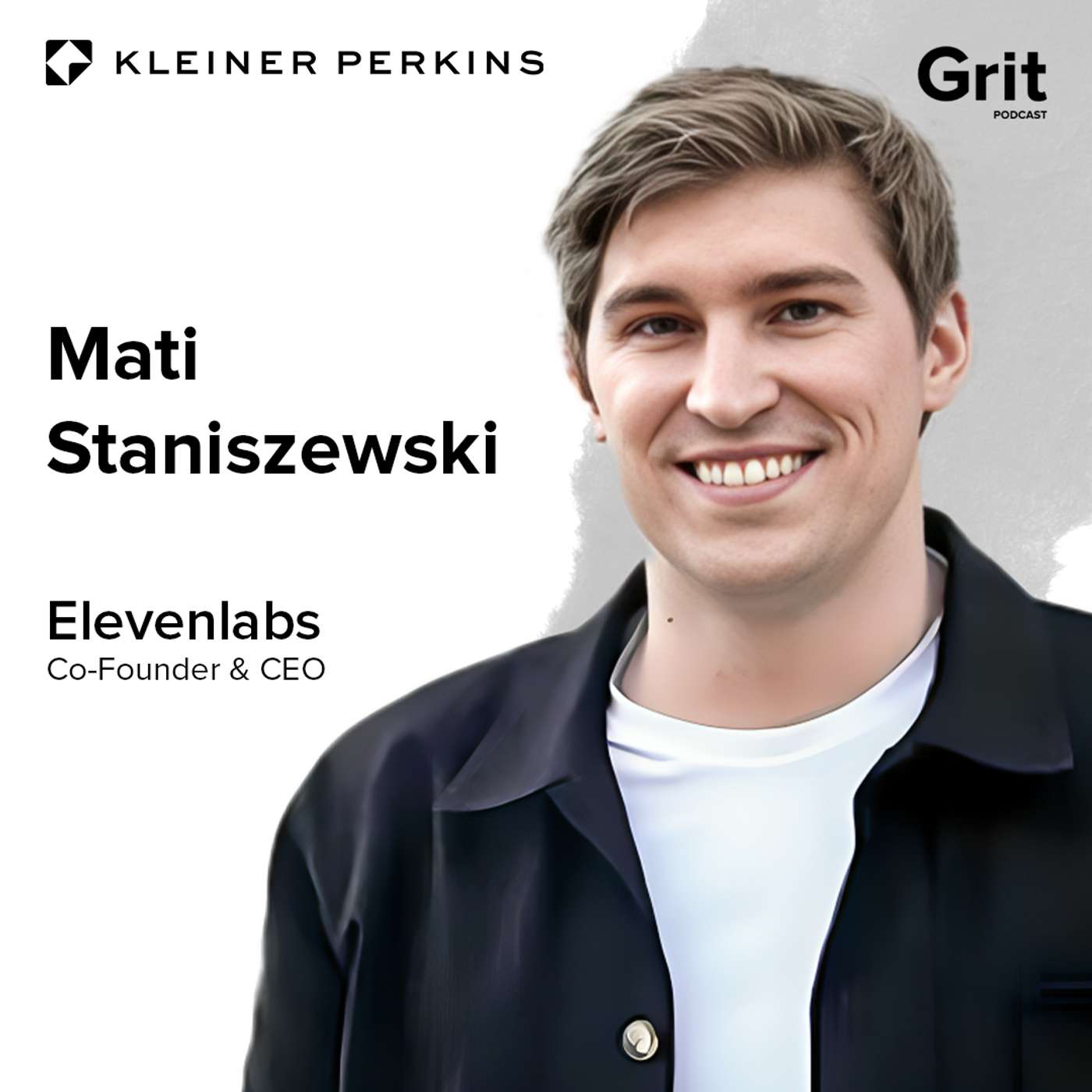
ElevenLabs raised a $100M round entirely for employee secondaries. The CEO's rationale is that by allowing early team members to de-risk and realize financial gains, it solidifies their commitment to the company's multi-year mission rather than creating pressure for a quick exit.
When founders cash out millions early, it can create a disconnect. They become rich while their team and investors are not, which can reduce their hunger and create a 'moral hazard.' The motivation may shift from building a generation-defining company to preserving their newfound wealth.

Taking a small amount of money off the table via a secondary sale de-risks a founder's personal finances. This financial security empowers them to reject large acquisition offers and pursue a long-term, independent vision without the pressure of life-changing personal wealth decisions.
While capital is necessary, an overabundance is dangerous. Large secondaries can make founders comfortable and misaligned with investors. Excessive primary capital leads to bloat, unfocused strategy, and removes the pressure that drives invention. This moral hazard often leads to worse outcomes than being capital-constrained.

Instead of raising a traditional venture round for the company, Matt O'Hayer's first major transaction was a secondary sale of his personal stock to impact-focused private equity firms. This strategy allowed him to gain personal financial security without burdening the profitable company with unnecessary capital or diluting its mission-driven focus.

An exit that provides a significant financial win but isn't enough to retire on can be a powerful motivator. It acts as a 'proof point' that validates the founder's ability while leaving them hungry for a much larger outcome, making them more driven than founders who are either pre-success or have achieved a life-changing exit.

In an era of extended private markets, secondaries are a critical talent retention strategy. Offering recurring liquidity programs for employees prevents top performers, who are often fully vested and over-concentrated in one stock, from leaving to diversify their wealth by joining other companies.
When founders invest their own money, it signals an unparalleled level of commitment and belief. This act serves as a powerful 'magnetic pull,' de-risking the opportunity in the eyes of external investors and making them significantly more likely to commit their own capital.

Vested neutralizes non-delivery risk, a major concern in private markets. By funding exercises, they ensure the employee retains a majority of their stock, aligning incentives. Small deal sizes ($50k-$100k) make it economically irrational for an employee to default and ruin their reputation, leading to a 100% delivery rate.

The number of founders taking secondary liquidity after their seed round is twice as high as the 2021 peak. While this de-risks the journey for founders, there is almost no parallel liquidity offered to early employees, creating a growing divide in early-stage risk and reward.
