Get your free personalized podcast brief
We scan new podcasts and send you the top 5 insights daily.
The backlash against AI-generated text is not a defense of genius, but an attempt to shield the vast amount of formulaic, template-driven content humans have always produced from a more efficient competitor. AI simply optimizes the creation of mediocrity that already existed.

Related Insights
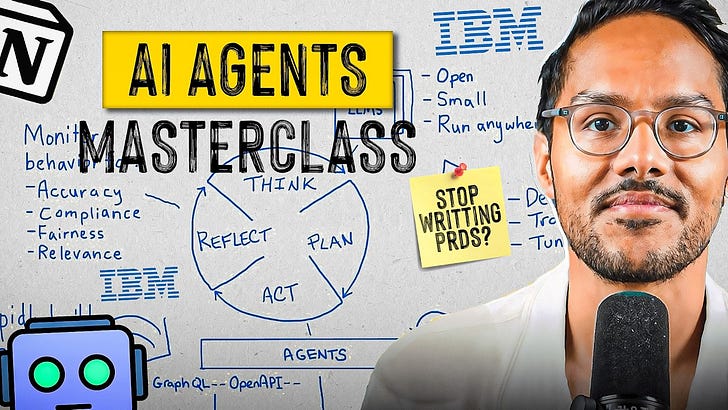
While AI tools once gave creators an edge, they now risk producing democratized, undifferentiated output. IBM's AI VP, who grew to 200k followers, now uses AI less. The new edge is spending more time on unique human thinking and using AI only for initial ideation, not final writing.
The negative reaction to "AI slop" isn't because the writing is poor. AI often produces above-average content using effective patterns. The problem is that these patterns are now so accessible and widely used that they've become saturated and generic, making the content easy to spot.

The fear of AI generating low-quality "slop" content is misplaced, as humans have been producing clickbait and low-brow entertainment for years. "Slop" is defined by the quality of the narrative and its effect on the viewer, not the tool used for its creation.

Blaming AI for flooding the internet with uniform, generic content is a misdiagnosis. The technology acts as a multiplier. An unintelligent user with a primitive prompt will only produce primitive output faster. The root cause of poor content remains the human operator, not the algorithm.
AI makes it easy to generate mediocre content, shrinking the gap between bad and passable. However, the effort required to create truly good, differentiating content has increased, widening the gap between what is passable and what is excellent, making true differentiation more difficult.

The term "slop" is misattributed to AI. It actually describes any generic, undifferentiated output designed for mass appeal, a problem that existed in human-made media long before LLMs. AI is simply a new tool for scaling its creation.

AI excels at averaging existing data, pushing outputs toward the middle. This creates a premium on genuine human creativity, which is needed for differentiation and to produce standout content. AI isn't replacing creatives; it's increasing the demand for their unique vision and ability to generate extremes.

The growing public resistance to AI isn't rooted in specific concerns like data centers, but in a general, intuitive feeling that AI-generated content is low-quality, inhuman, and annoying. This visceral reaction to "AI slop" is the true driver of the backlash.

LLMs conform to the average of their training data. When used for creative tasks like writing, they act as "memetic conformity machines," sanding off originality and producing work that sounds like everything else—the literal definition of mediocre.
The greatest danger of AI content isn't job loss or bad SEO, but a societal one. Since we consume more brand content than educational material, an internet flooded with AI's 'predictive text' based on what's common could relegate collective human knowledge and creativity to a permanent base level.
