Get your free personalized podcast brief
We scan new podcasts and send you the top 5 insights daily.
AI makes it easy to generate mediocre content, shrinking the gap between bad and passable. However, the effort required to create truly good, differentiating content has increased, widening the gap between what is passable and what is excellent, making true differentiation more difficult.

Related Insights
AI makes generating high volumes of content easy, but this introduces "work slop" where quantity overwhelms quality. The new organizational challenge isn't production but sifting through excessive, low-value output. This shifts the most important work from creation to curation and judgment.

While AI tools once gave creators an edge, they now risk producing democratized, undifferentiated output. IBM's AI VP, who grew to 200k followers, now uses AI less. The new edge is spending more time on unique human thinking and using AI only for initial ideation, not final writing.
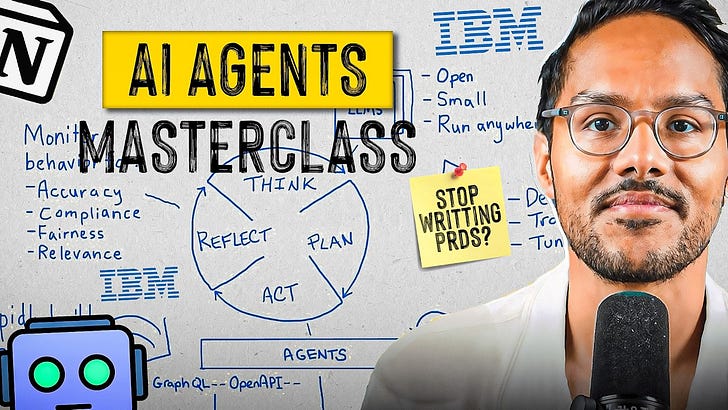
When everyone can generate content with AI, the basic version becomes table stakes. The new competitive edge comes from creating advanced agent workflows, such as a "critic agent" that constantly evaluates and improves output against specific quality metrics.

The flood of low-quality, AI-generated content is not a threat but an opportunity. "AI slop" devalues generic content and makes genuinely educational, entertaining, and human-centric material stand out more. This raises the bar, rewarding brands that invest in real expertise and authenticity.

When every company has access to the same powerful AI tools, the competitive advantage is no longer budget or technology. The real differentiator becomes human taste, judgment, and the ability to apply a unique point of view to guide the AI, separating average, generic output from exceptional work.
The easier AI makes it to generate content like resumes or slide decks, the more effort is required to verify their authenticity and quality. This economic principle shifts value and labor from the act of creation to the act of verification.

The flood of AI-generated assets isn't a new problem but an amplification of an old one. It simply highlights that much of human-created content was already mediocre. AI removes resource barriers to production, making "taste" and "quality judgment" the true differentiators—skills that are now more valuable than ever.

Generative AI allows any marketer to quickly produce mediocre content. This saturation makes buyers more discerning and creates a significant opportunity for brands that invest in genuinely excellent, insightful content to stand out and build trust. Quality, not quantity, becomes the key differentiator.

While AI lowers the barrier to content creation for everyone, it simultaneously increases the value of uniquely human contributions. As AI-generated content becomes commoditized, attributes like lived experience, distinct perspective, and true originality will become the key differentiators for creators.

AI tools for creative production are becoming ubiquitous, leveling the playing field for execution. As production becomes a commodity, the strategic quality and originality of the core creative idea becomes the primary factor for success and differentiation.
