Get your free personalized podcast brief
We scan new podcasts and send you the top 5 insights daily.
Emotions are not just mental states; they trigger concrete biological cascades of hormones, neurotransmitters, and changes in muscles. The same brain regions that process emotion also construct pain. This is why stress or anxiety can physically intensify pain, confirming that pain is always both physical and emotional.

Related Insights
Our psychological experiences, including positive and negative emotions, are not separate from our physical selves. They are direct results of biological processes in our brain's limbic system, which evolved as an alert system.

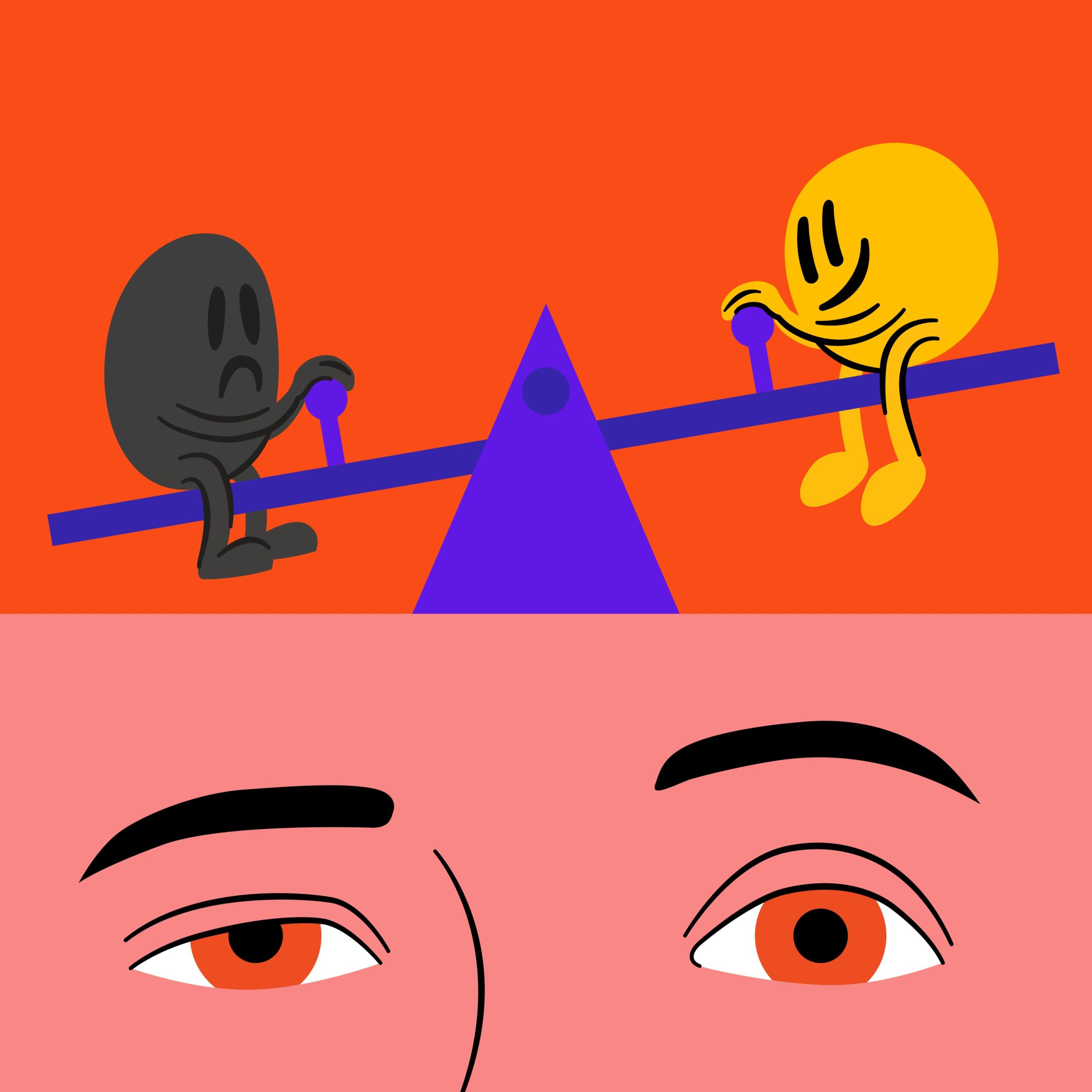
Neuroscience shows pleasure and pain are co-located in the brain and work like a seesaw. When we experience pleasure, the brain immediately compensates by tilting towards pain to restore balance. This neurological 'come down' is why constant pleasure-seeking eventually leads to a state of chronic pain and craving.
Neuroscience shows pain isn't located solely in the body part that hurts; it's an experience created by the brain. The phenomenon of phantom limb pain—feeling pain in a limb that's been amputated—proves the brain is the ultimate source of the pain experience, demonstrating its power to generate sensation independent of tissue.
The root cause of all disease is not biological but emotional. Unresolved emotions create blockages in your body's natural energetic system. When energy flows, you heal; when it's blocked by suppressed feelings, your body begins to break down, leading to physical ailments.

Dr. Anderson defines emotions as internal states that change the brain's input-output transformation. This perspective shifts the focus from subjective feelings (the "tip of the iceberg") to the underlying neurobiological processes that control behavior, making them more scientifically tractable.

Chronic fear and stress are not just mental states; they translate into tangible biochemical signals. Our cells "hear" these thoughts through hormones and neurotransmitters, which forces them into a defensive state. This diverts energy from crucial repair and maintenance tasks, directly harming metabolic health.
Pain is simply a physiological signal registered in the brain, like a rapid heartbeat. Suffering is the negative story or interpretation you attach to that signal. By changing your belief about the pain (e.g., exertion in a gym vs. a heart attack), you can control your suffering.
The brain and body naturally produce powerful pain-lowering chemicals, including serotonin, dopamine, and endorphins (the body's own opioids). These can be actively released through specific behaviors like movement, exercise, laughter, and social connection, giving individuals a way to directly manage their pain levels without external medication.
Brain imaging reveals meditation doesn't block the primary signal of physical pain. Instead, it transforms the secondary emotional reaction to the pain, which is the main source of suffering. This decoupling of sensation from emotional interpretation is a trainable skill that reduces distress.

When you suppress an emotion, you physically jam an energetic pattern into your body. Over time, this creates tight, compressed areas—'lock boxes'—that can lead to chronic pain, postural issues, and shallow breathing. This physical blockage also disconnects you from your body, trapping you in your mind.
