Get your free personalized podcast brief
We scan new podcasts and send you the top 5 insights daily.
Neuroscience shows pain isn't located solely in the body part that hurts; it's an experience created by the brain. The phenomenon of phantom limb pain—feeling pain in a limb that's been amputated—proves the brain is the ultimate source of the pain experience, demonstrating its power to generate sensation independent of tissue.

Related Insights
Unlike acute pain which signals immediate tissue damage, chronic pain often persists after the body has physically healed. Conditions like fibromyalgia represent a disease of the pain system itself, where nerves have fundamentally changed their function and continue to send alarm signals without an ongoing injury.
Neuroscience shows pleasure and pain are co-located in the brain and work like a seesaw. When we experience pleasure, the brain immediately compensates by tilting towards pain to restore balance. This neurological 'come down' is why constant pleasure-seeking eventually leads to a state of chronic pain and craving.
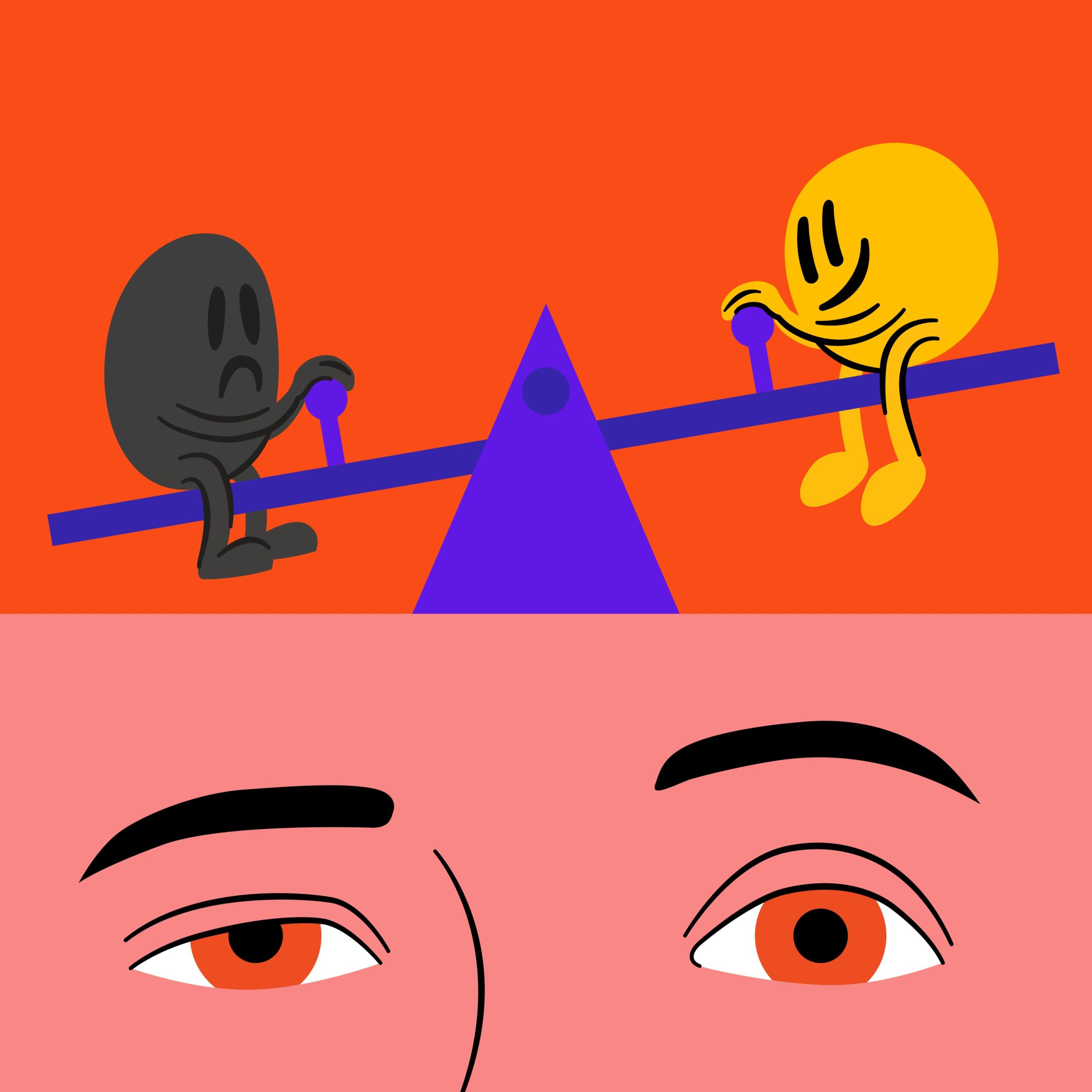
Suffering is created entirely within the mind as a representational state. It's a signal from one part of the mind to another to compel it to solve a problem. This system can malfunction, leading to chronic suffering when the signal fails to produce a resolution or when goals conflict.

With 10x more neurons going to the eye than from it, the brain actively predicts reality and uses sensory input primarily to correct errors. This explains phantom sensations, like feeling a stair that isn't there, where the brain's simulation briefly overrides sensory fact.

Pain is simply a physiological signal registered in the brain, like a rapid heartbeat. Suffering is the negative story or interpretation you attach to that signal. By changing your belief about the pain (e.g., exertion in a gym vs. a heart attack), you can control your suffering.

Most pain during intense exertion isn't a direct measure of physiological damage, but the brain's predictive mechanism to prevent harm. You can manage this by resetting the brain's expectations with small sensory changes, like how runner Elliot Kipchoge smiles when he's hurting to trick his brain into feeling okay.

Brain imaging reveals meditation doesn't block the primary signal of physical pain. Instead, it transforms the secondary emotional reaction to the pain, which is the main source of suffering. This decoupling of sensation from emotional interpretation is a trainable skill that reduces distress.

Your sense organs, like taste buds, simply detect physical or chemical stimuli. This "detection" is not your experience. Perception occurs only when the brain receives these electrical signals and transforms them into a subjective experience like sweetness, creating your reality.

The experience of pain is not an immediate or direct result of tissue damage. The brain processes the injury and can delay or override the pain signal based on context. An athlete may not feel a torn tendon until after the game, proving that pain is a cognitive event, not just a mechanical signal from injury.
Emotions are not just mental states; they trigger concrete biological cascades of hormones, neurotransmitters, and changes in muscles. The same brain regions that process emotion also construct pain. This is why stress or anxiety can physically intensify pain, confirming that pain is always both physical and emotional.