Get your free personalized podcast brief
We scan new podcasts and send you the top 5 insights daily.
Defense tech firm Anduril's talks to raise funds at a $60 billion valuation reflect its ambition to become a "prime" contractor. The company is no longer just a disruptive upstart; it's actively trying to join the exclusive group of legacy giants like Raytheon and Lockheed that dominate government contracts.

Related Insights
Unlike traditional defense contractors, Anduril's marketing targets the American public and potential employees, not just Pentagon buyers. The strategy is to build a transparent, powerful brand around national security to attract top talent who would otherwise avoid the historically opaque and controversial industry.

Luckey reveals that Anduril prioritized institutional engagement over engineering in its early days, initially hiring more lawyers and lobbyists. The biggest challenge wasn't building the technology, but convincing the Department of Defense and political stakeholders to believe in a new procurement model, proving that shaping the system is a prerequisite for success.
![Palmer Luckey - Inventing the Future of Defense - [Invest Like the Best, CLASSICS] thumbnail](https://megaphone.imgix.net/podcasts/f7c9aa8e-cb8d-11f0-828e-0b281809c10a/image/cc07f91ec47f95abbde771a4956b37b7.jpg?ixlib=rails-4.3.1&max-w=3000&max-h=3000&fit=crop&auto=format,compress)
The future IPO of Anduril, a private defense tech firm, is viewed as a critical test for the entire sector. Its performance will signal Wall Street's appetite for a new class of defense startups that have been heavily funded by venture capital with speculative, low-revenue profiles.
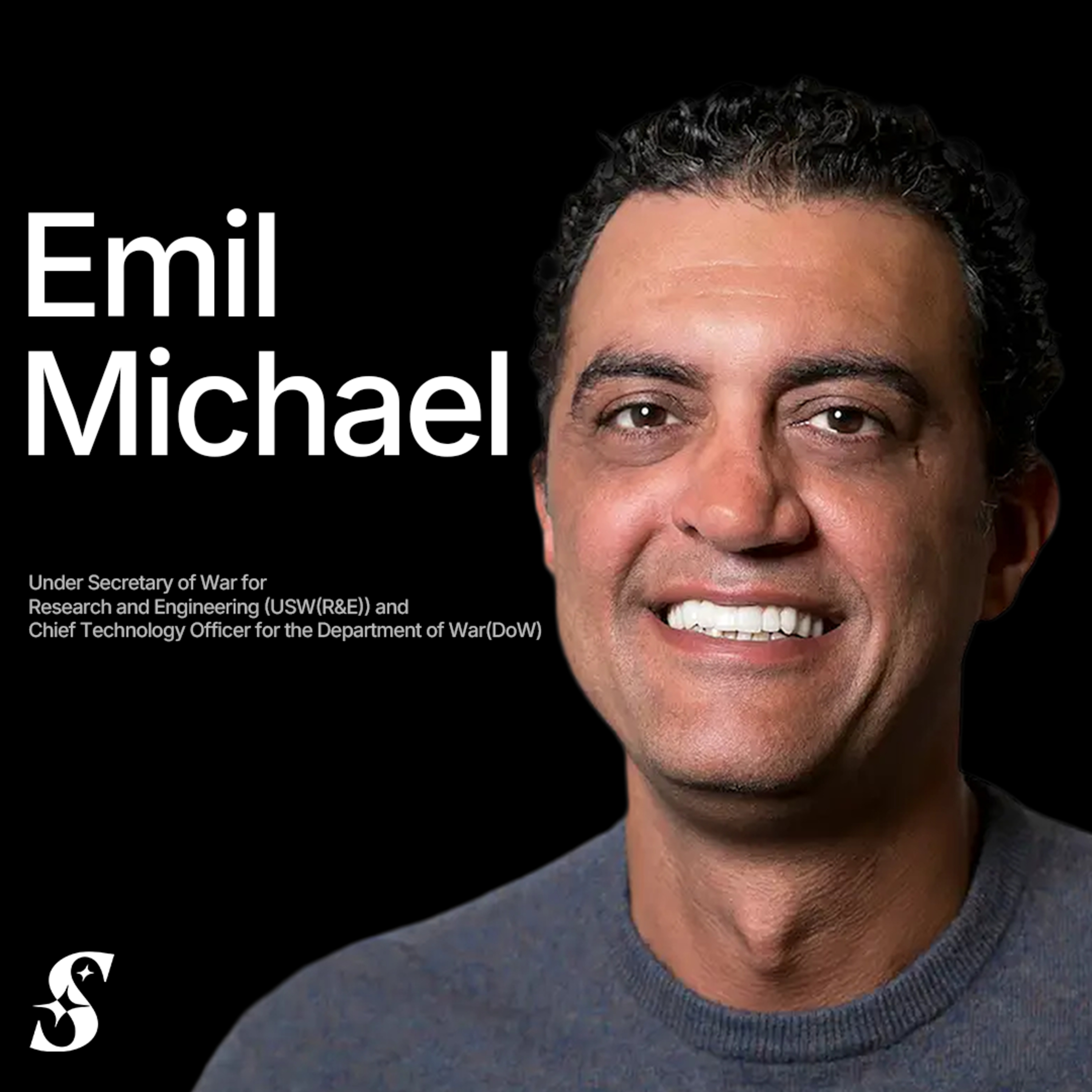
The Under Secretary of War's primary job is not just to fund technology, but to actively cultivate an ecosystem of new defense contractors. The stated goal is to create five more major companies capable of challenging established primes like Lockheed Martin, fostering competition and bringing new capabilities into the defense sector.
In a tech climate wary of defense work, Anduril was "very unapologetic that they were a defense company." This clear, strong positioning acted as a crucial filter, repelling skeptical investors but attracting partners like Andreessen Horowitz who were fully aligned with their mission from the start.

Despite building large physical systems like drones, Anduril's co-founder states their core competency and original vision is software. They are a "software-defined and hardware-enabled" company, which fundamentally differentiates their approach from traditional defense contractors who are the opposite.
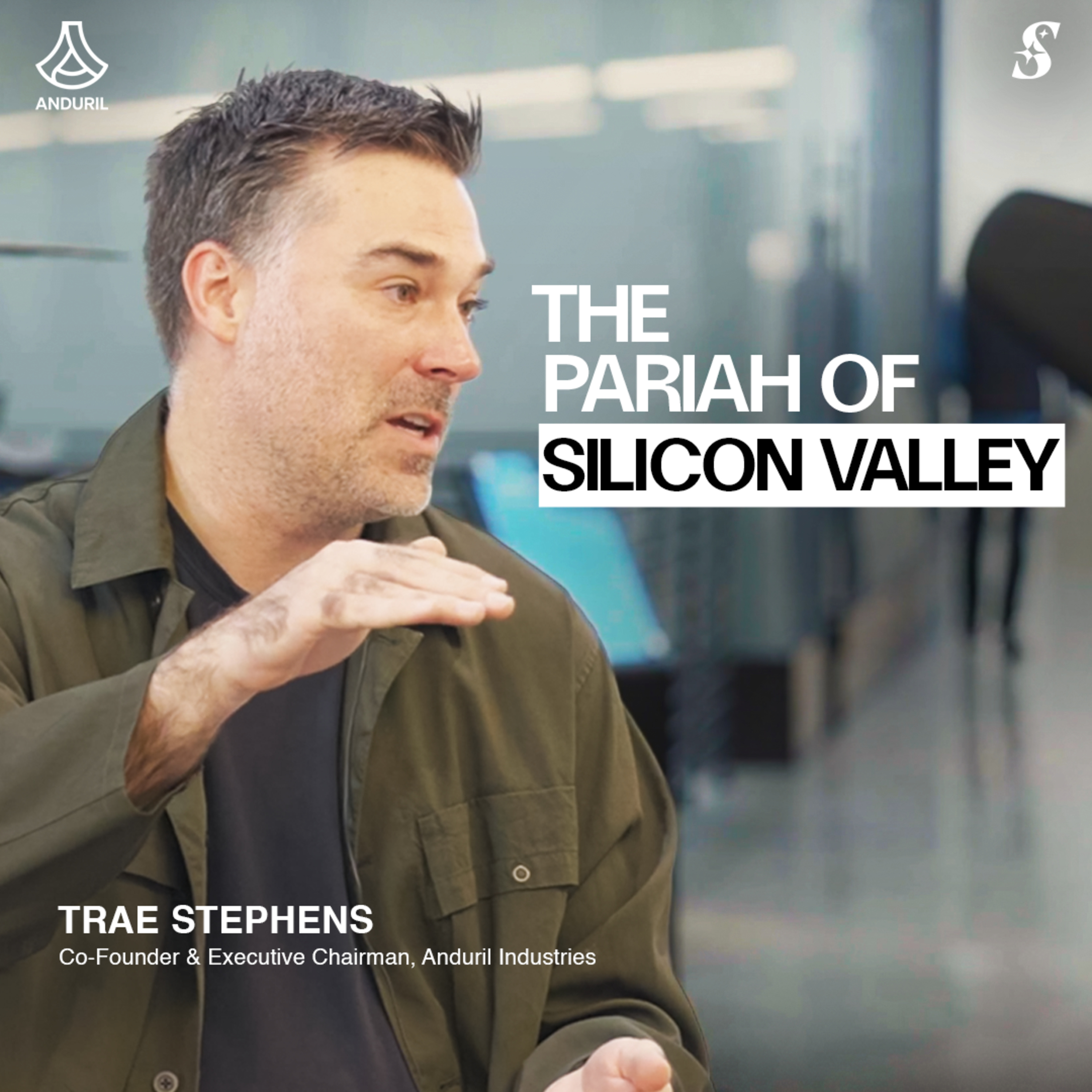
Unlike traditional contractors paid for time and materials, Anduril invests its own capital to develop products first. This 'defense product company' model aligns incentives with the government's need for speed and effectiveness, as profits are tied to rapid, successful delivery, not prolonged development cycles.

Many defense startups fail despite superior technology because the government isn't ready to purchase at scale. Anduril's success hinges on identifying when the customer is ready to adopt new capabilities within a 3-5 year window, making market timing its most critical decision factor.

The go-to-market strategy for defense startups has evolved. While the first wave (e.g., Anduril) had to compete directly with incumbents, the 'Defense 2.0' cohort can grow much faster. They act as suppliers and partners to legacy prime contractors, who are now actively seeking to integrate their advanced technology.

Despite its sky-high valuation, defense firm Anduril is intentionally unprofitable and burning significant cash. This mirrors the classic Silicon Valley "blitzscaling" playbook, prioritizing rapid growth, market capture, and product expansion over near-term profitability to become a dominant player in its industry.