Get your free personalized podcast brief
We scan new podcasts and send you the top 5 insights daily.
Trump's claim that he advised Fed candidate Kevin Warsh to vote with a "hostile board" suggests direct political interference in monetary policy. This undermines the Federal Reserve's crucial independence, blurring the lines between the government and the central bank.

Related Insights
The appointment of Kevin Warsh as Fed Chair shifts the focus from purely economic decisions to a fundamental governance question: will the central bank remain independent or take political orders from the president? This represents a potential paradigm shift in the separation of powers.

Increasing political influence, including presidential pressure and politically-aligned board appointments, is compromising the Federal Reserve's independence. This suggests future monetary policy may be more dovish than economic data warrants, as the Fed is pushed to prioritize short-term growth ahead of elections.

The threat to the Federal Reserve's independence is not limited to a single appointment. It involves a broader potential strategy of simultaneously nominating a chair, replacing other board members like Lisa Cook, and filling vacancies as they arise. This creates the possibility for a majority of the Fed board to become politically aligned with the administration.

Critics allege Kevin Warsh exhibits a pattern of partisanship, worrying about inflation and fiscal excess under Democratic presidents but pivoting to pro-growth, lower-rate stances under Republicans. This behavior raises serious questions about his political independence and commitment to the Fed's dual mandate, regardless of the administration in power.

To secure a nomination from a president like Donald Trump, candidates like Kevin Warsh must publicly adopt positions, such as rate cuts, that contradict their hawkish history. This "audition process" creates fundamental uncertainty about their true policy direction once appointed.
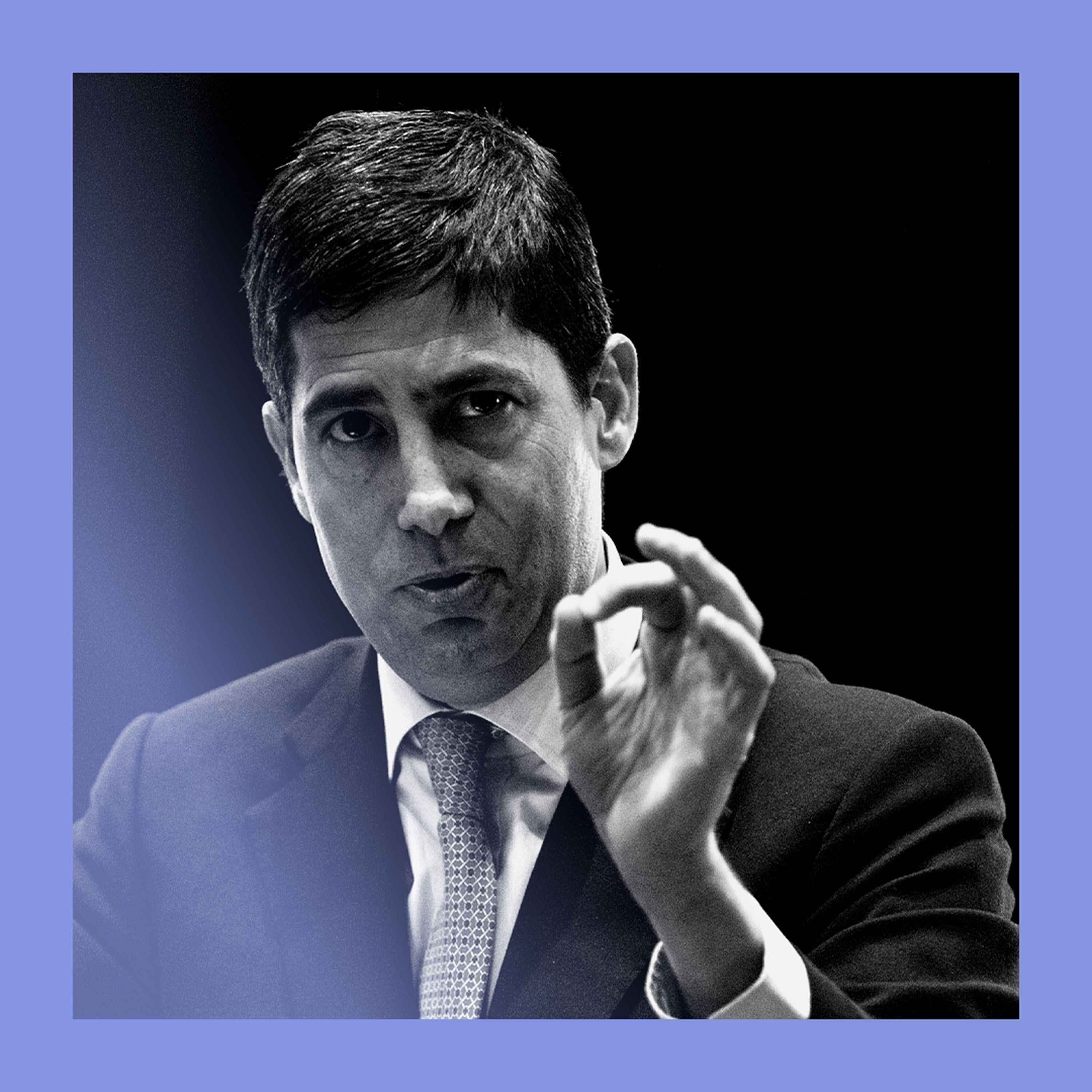
The nomination of Kevin Warsh as Fed Chair is not a traditional hawk vs. dove decision. Instead, it signals the Federal Reserve's transformation into a subordinate arm of the Treasury, tasked with executing a nationalist 'economic statecraft' agenda rather than maintaining its theoretical independence and focusing on traditional inflation targets.

The debate over Fed independence is misplaced; it has already been compromised. Evidence includes preemptive reappointments of regional bank presidents and outspokenness from governors concerned about being bullied, indicating the Fed no longer operates in its prior insulated environment.
The Federal Reserve under Kevin Warsh is expected to pivot from its independent, inflation-targeting mandate. It will likely become an integral part of US economic statecraft, aligning its policies with national security and strategic industrial goals, a significant change from past regimes.
Despite the perception of independence, the Federal Reserve historically yields to political pressure from the White House. Every US president, regardless of party, has ultimately obtained the monetary policy they desired, a pattern that has held true since the Fed's creation.

In crises like 2008 and 2020, the Fed's perceived independence allowed it to broker vital policy solutions between a divided government. Appointing a figure seen as highly partisan, like Kevin Warsh, risks destroying this institutional trust, potentially paralyzing the Fed's ability to act as a reliable crisis manager when it is needed most.