Get your free personalized podcast brief
We scan new podcasts and send you the top 5 insights daily.
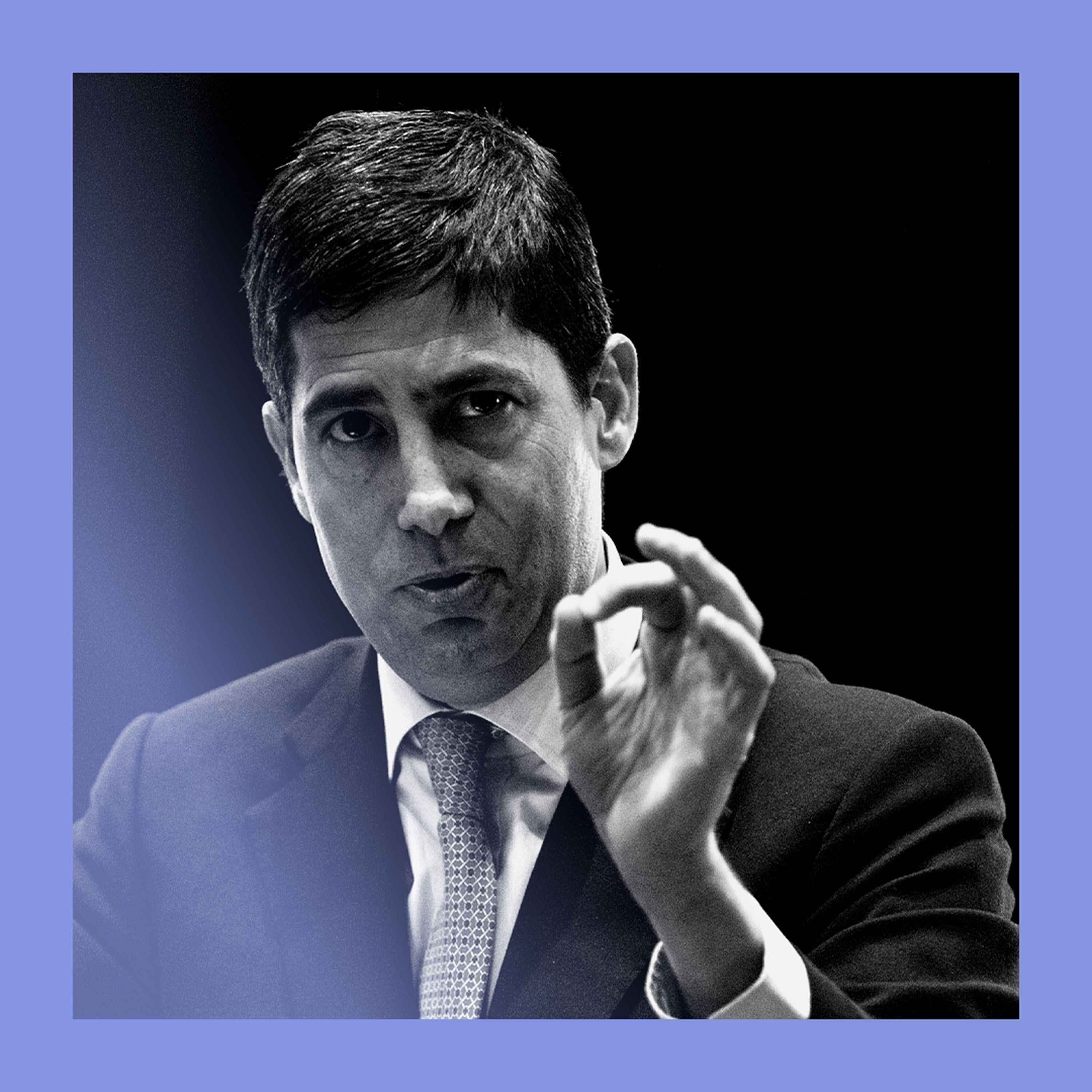
To secure a nomination from a president like Donald Trump, candidates like Kevin Warsh must publicly adopt positions, such as rate cuts, that contradict their hawkish history. This "audition process" creates fundamental uncertainty about their true policy direction once appointed.
Related Insights
The appointment of Kevin Warsh as Fed Chair shifts the focus from purely economic decisions to a fundamental governance question: will the central bank remain independent or take political orders from the president? This represents a potential paradigm shift in the separation of powers.

The nomination of Kevin Warsh, perceived as more hawkish, is a deliberate move to restore credibility around the Fed's balance sheet. This counters investor skepticism, signaled by rising gold prices, and buys time for the administration's economic strategy to succeed.

Tyler Cowen argues that Kevin Warsh is a political operator whose past economic stances are less predictive of his future actions than his desire to navigate the political landscape, particularly his relationship with Trump. Warsh's personal wealth from the Lauder family gives him the freedom to act independently if necessary, making his political calculus the key variable.
Increasing political influence, including presidential pressure and politically-aligned board appointments, is compromising the Federal Reserve's independence. This suggests future monetary policy may be more dovish than economic data warrants, as the Fed is pushed to prioritize short-term growth ahead of elections.

The consideration of Kevin Hassett for Fed Chair highlights a significant change in the expected profile for the role. Once viewed as a technocratic economist who published in academic journals, Hassett is now widely seen as a partisan political operator, raising questions about whether the Fed will be led by an independent expert or a political agent.
Despite strong economic data suggesting the Fed should hold rates, markets are pricing 40-50 basis points of cuts. This discrepancy is driven by political uncertainty around the appointment of a new Fed Chair, as the administration's focus on lower rates makes it difficult for markets to price out easing until the new leadership is confirmed.

Kevin Warsh argues the Fed has experienced "scope creep" by taking on quantitative easing, broad bank regulation, and social initiatives. He advocates for a return to a narrow mandate focused on price stability, using interest rates as the primary tool and exiting non-conventional mechanisms.
Critics allege Kevin Warsh exhibits a pattern of partisanship, worrying about inflation and fiscal excess under Democratic presidents but pivoting to pro-growth, lower-rate stances under Republicans. This behavior raises serious questions about his political independence and commitment to the Fed's dual mandate, regardless of the administration in power.

Despite his reputation as an inflation hawk, Fed Chair nominee Kevin Warsh is arguing for lower interest rates. He claims a coming AI-driven productivity boom will be disinflationary, allowing for looser monetary policy. This stance strategically aligns with President Trump's desire for rate cuts, making his nomination politically palatable.
As a Fed governor during the 2008 financial crisis, Kevin Warsh allegedly misjudged the situation. He reportedly focused on inflation risks and touted the financial system's health just as it was collapsing, raising serious questions about his ability to identify and manage systemic crises effectively.