As social media and search results become saturated with low-quality, AI-generated content (dubbed "slop"), users may develop a stronger preference for reliable information. This "sloptimism" suggests the degradation of the online ecosystem could inadvertently drive a rebound in trust for established, human-curated news organizations as a defense against misinformation.
The Mandarin word "Neizuan," or "involution," captures a critical modern business dynamic. It describes a situation where intense, cutthroat competition, such as in the electric vehicle market, leads to diminishing returns for all participants. The term is also used by workers to describe the feeling of "running ever faster on the treadmill to get nowhere."
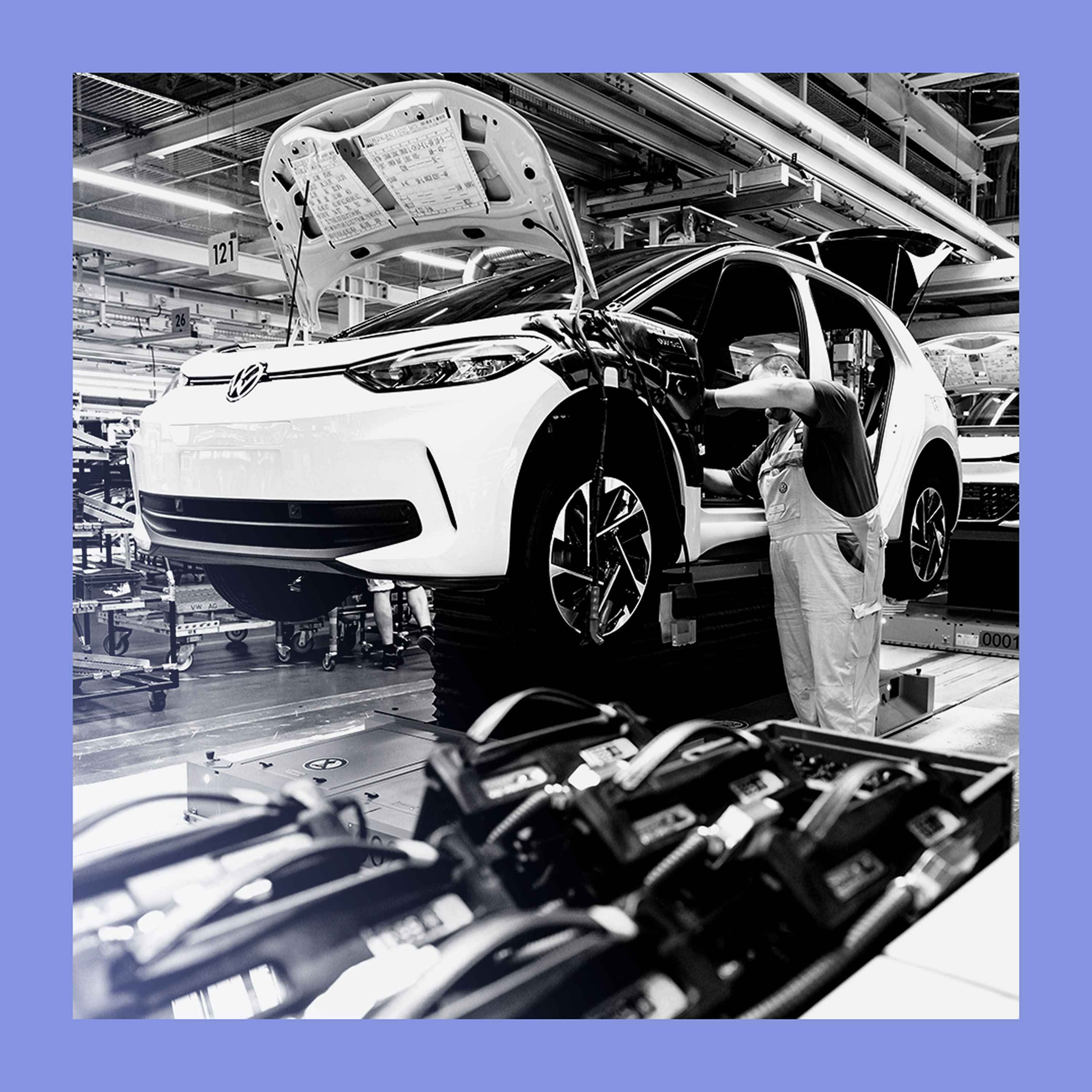
Intended to help struggling European automakers, the EU's decision to relax its ban on petrol cars creates a vulnerability. This policy shift may inadvertently benefit Chinese manufacturers, whose popular hybrid vehicles are gaining significant market share in Europe and are not subject to the same hefty tariffs as pure EVs.
The consideration of Kevin Hassett for Fed Chair highlights a significant change in the expected profile for the role. Once viewed as a technocratic economist who published in academic journals, Hassett is now widely seen as a partisan political operator, raising questions about whether the Fed will be led by an independent expert or a political agent.
The threat to the Federal Reserve's independence is not limited to a single appointment. It involves a broader potential strategy of simultaneously nominating a chair, replacing other board members like Lisa Cook, and filling vacancies as they arise. This creates the possibility for a majority of the Fed board to become politically aligned with the administration.