Get your free personalized podcast brief
We scan new podcasts and send you the top 5 insights daily.
A16z rejected the traditional 'lone wolf' VC partner model. Instead, it adopted the strategy of Hollywood's CAA, where clients get the full power of the entire firm's network and services. This 'phalanx' approach creates a significant competitive advantage over siloed competitors.

Related Insights
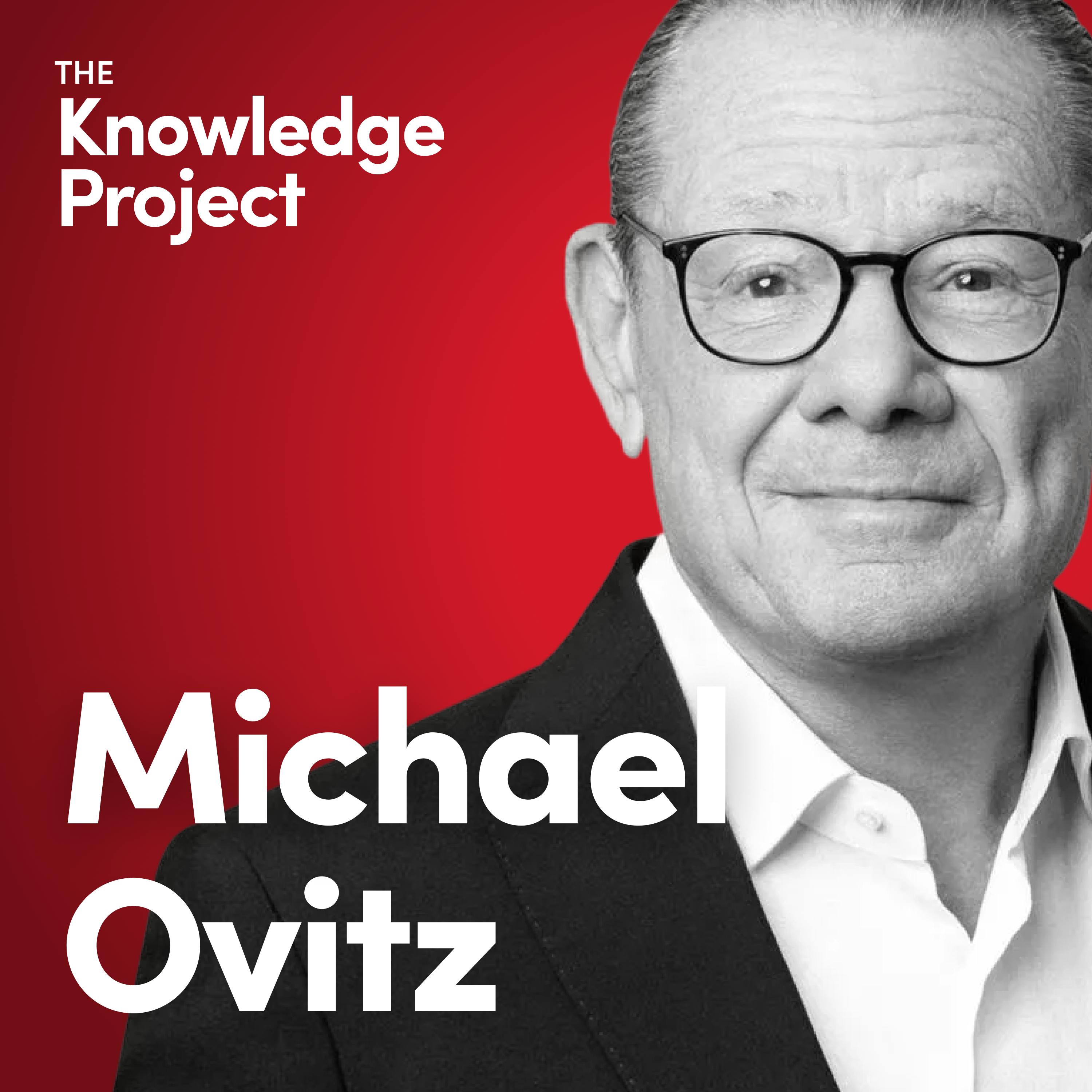
A16z's decision to add Hollywood agent Michael Ovitz to their board was controversial but genius. It directly led to modeling the firm after Creative Artists Agency (CAA), a novel approach in venture capital. This shows the power of seeking board-level expertise from outside your industry to challenge core assumptions and unlock game-changing strategies.

Unlike typical accelerators, A16Z's Speedrun offers founders direct access to full-service marketing, PR, and talent recruiting teams. These teams leverage the firm's entire ecosystem and partner relationships to help portfolio companies secure press and hire top-tier engineers, providing a significant competitive advantage.
Horowitz compares their partnership to the iconic music duo. Andreessen is the rare, star talent ("Michael Jackson"), while Horowitz's strength is creating the structure and surrounding Andreessen with people and ideas to maximize his impact ("Quincy Jones").

A16Z's transformation from a small, generalist partnership to a large, specialized firm was a deliberate answer to a fundamental industry problem: the traditional partner model doesn't scale for deploying capital and making decisions in today's massive, professionalized venture market.
The firm intentionally builds a powerful, public-facing brand so portfolio companies can 'borrow' its force and reputation at critical development points, accelerating their own growth and market presence.

To compete with established VCs who relied on historical reputation, a16z focused on creating a superior 'product' for entrepreneurs. They designed their firm to provide founders with the brand, power, and access needed to become successful CEOs, a departure from the traditional VC model.
Top-tier venture capital firms are developing internal platforms with such demonstrable results and strong reputations that founders choose them over competitors offering higher valuations, seeking access to their unique support ecosystem.

Unlike firms whose value is tied to a few key partners, Andreessen Horowitz is building an institution akin to Goldman Sachs. Their bet is that venture capital will evolve from small partnerships to large, institutional firms, making them better equipped to handle generational transitions and founder departures.

To break into the VC oligopoly, Andreessen Horowitz differentiated itself by building a firm as a "product" for entrepreneurs. They focused on providing the network, knowledge, and support founders needed to become CEOs, a service incumbent VCs were not structured to offer.
![Ben Horowitz - Backing America’s Future - [Invest Like the Best, EP.457] thumbnail](https://megaphone.imgix.net/podcasts/9505619a-009e-11f1-869d-c7d5bc43b194/image/83257eb514e1fd42513d2e46eeb4e9dd.jpg?ixlib=rails-4.3.1&max-w=3000&max-h=3000&fit=crop&auto=format,compress)
Marc Andreessen and Ben Horowitz told Michael Ovitz that his work—packaging talent, ideas, and capital—was functionally identical to their work in venture capital. This reveals a universal pattern for creating value across different industries.